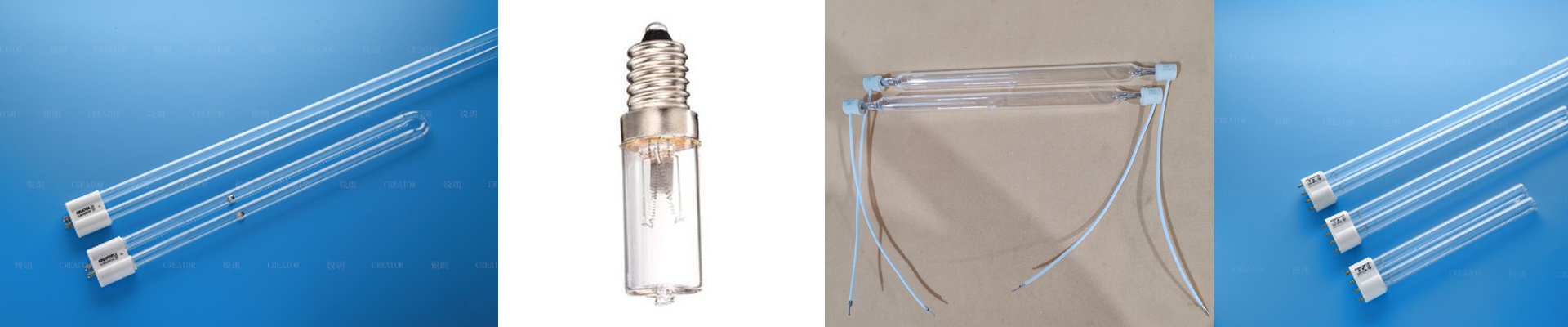
Don’t Let a Dead UV Lamp Kill Your Production
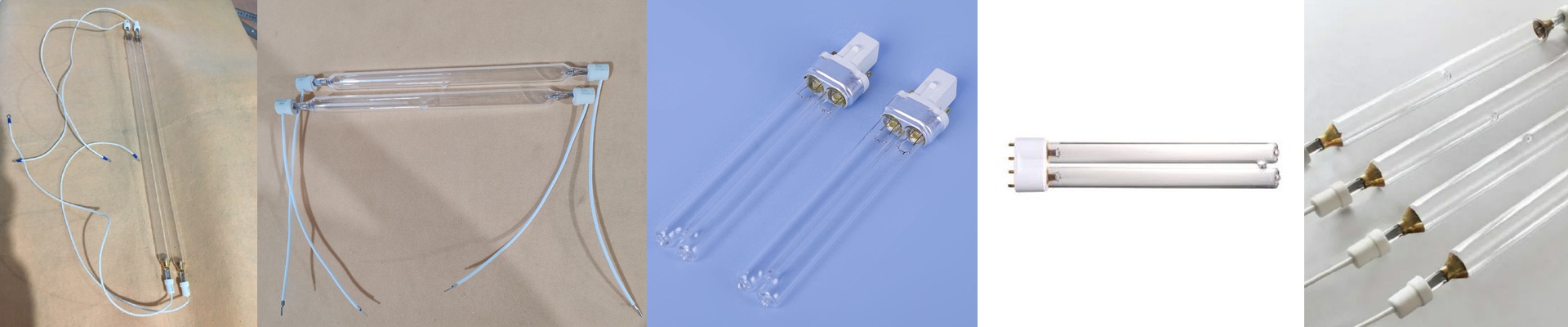
Let’s be honest: when you’re running a high-volume line and a UV lamp burns out, it’s a nightmare. It’s not just a broken part. It’s a complete standstill. Everything stops. That’s exactly why we build our wholesale quartz tubes the way we do. We wanted to find that sweet spot where you get the technical specs you need without having to wait weeks for a custom order to arrive.
The nitty-gritty on output
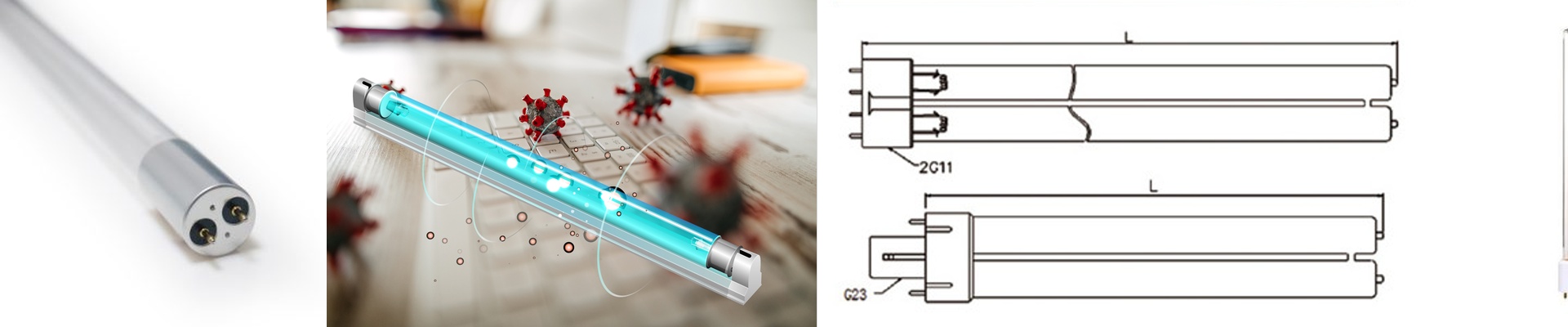
We use high-purity fused quartz for our tubes. Why? Because it lets the UV light through without fighting it, and it doesn’t crack when you power it up and down quickly. Depending on your ballast, you can pick the wattage and voltage that fits. If you go with higher wattage, you get more irradiance. In plain English: your resins and inks cure faster, and your line moves quicker. Just a heads-up:**make sure your lamp voltage matches your power supply.**If they don’t line up, you’re in trouble. Either the lamp won’t cure the product properly, or you’ll fry the electrodes and kill the lamp way too soon.
Making sure it actually fits
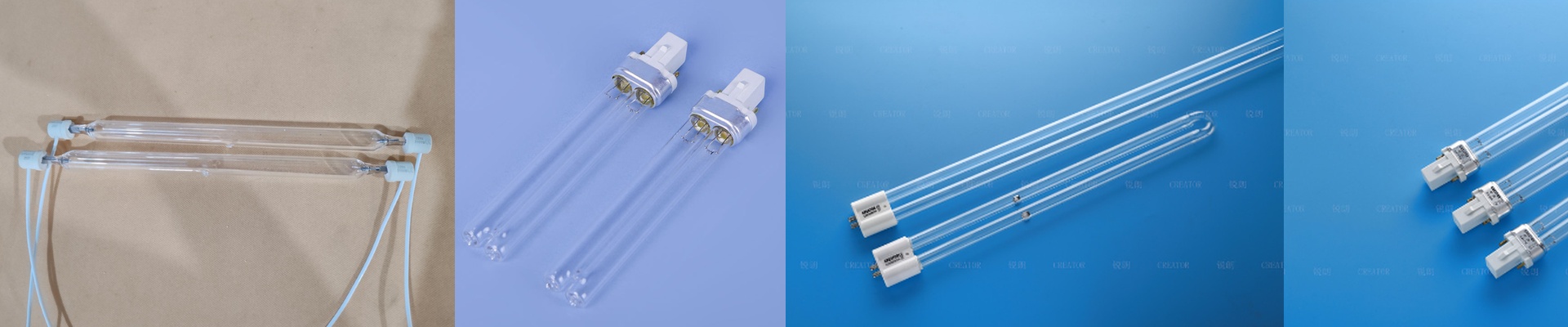
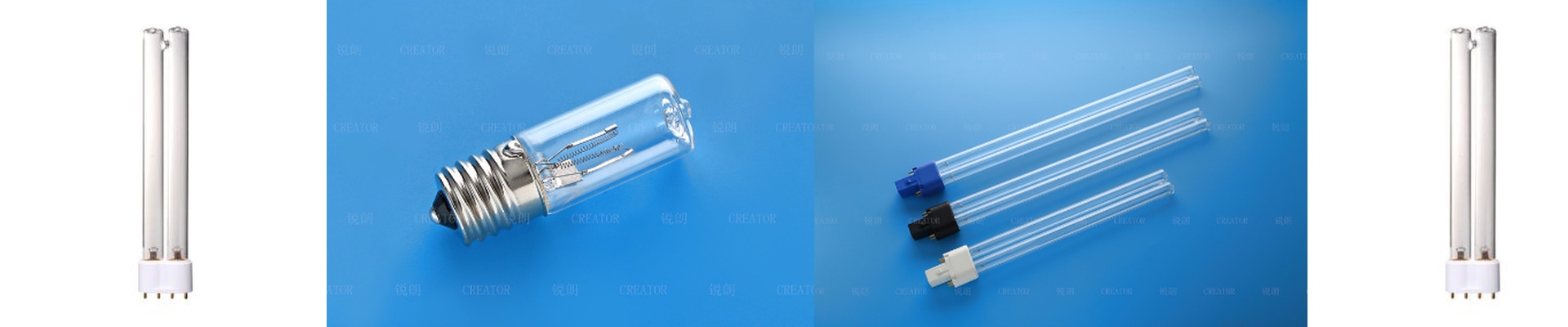
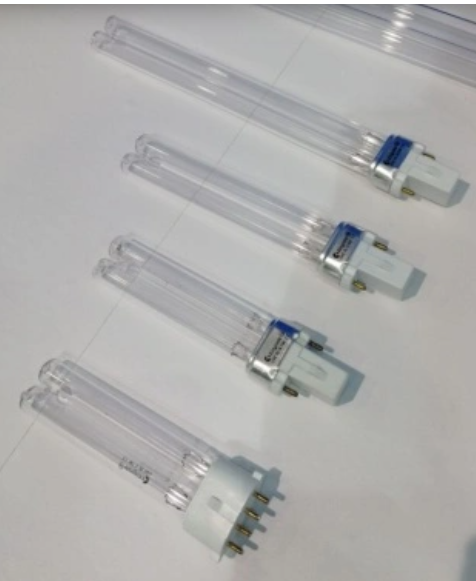
There is nothing worse than a lamp that almost fits. We offer a bunch of different end-cap options so these just slide right into your current fixtures. Whether you’re using standard pins or something more specialized, the connection needs to be tight. If it’s loose, you get arcing. That leads to charred sockets and a dead lamp. Not a great look. We also keep the tolerances on the quartz envelope really tight. This keeps the lamp centered in the reflector. If it shifts even a few millimeters, you lose that focused intensity on your substrate, and your quality drops.
The reality of the supply chain
We’ve all been there—waiting four weeks for a custom part while production sits idle. It’s frustrating. To stop that from happening, we keep a massive inventory of our most popular models ready to ship. No waiting. No guessing. One last thing to keep in mind: high-output lamps gethot. Really hot. If you decide to crank up the wattage to speed things up, just double-check your cooling fans and heat sinks. You don’t want to accidentally warp your conveyor assembly because the heat had nowhere to go.