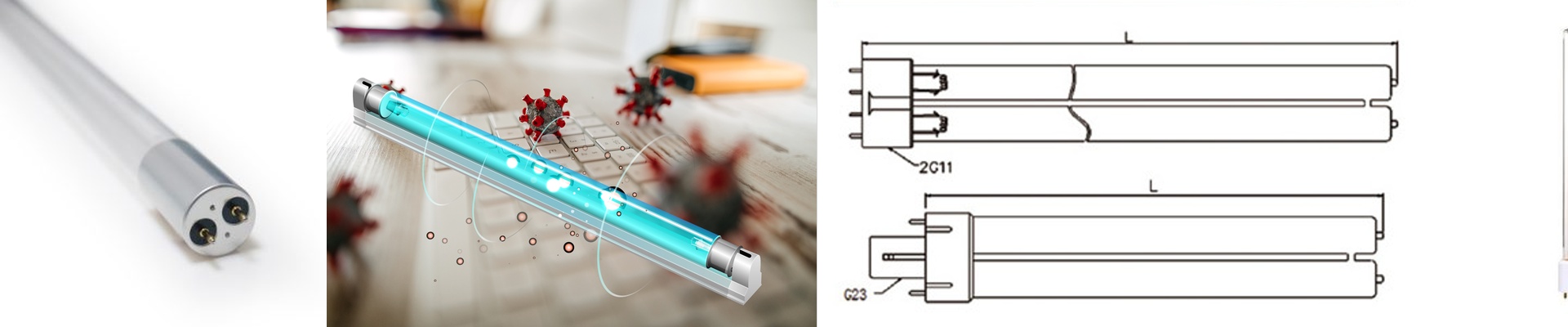
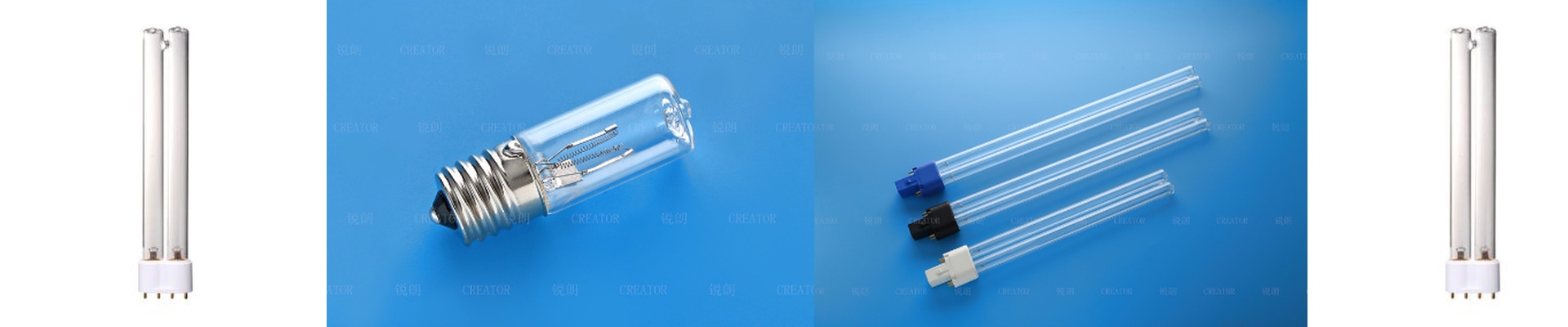
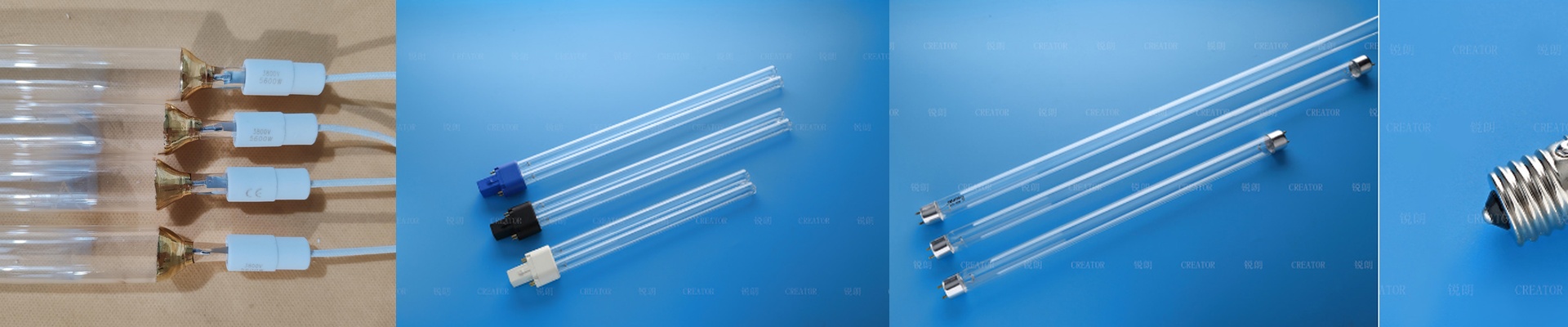
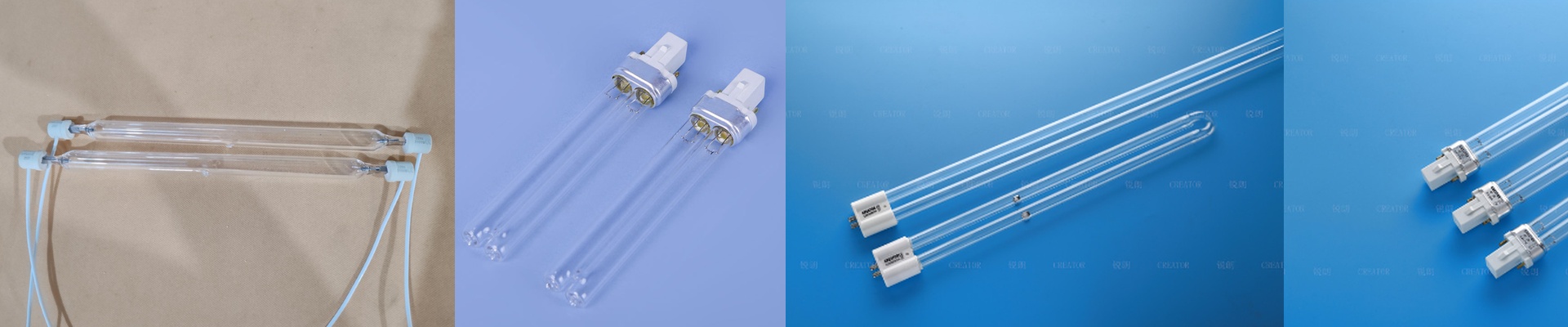
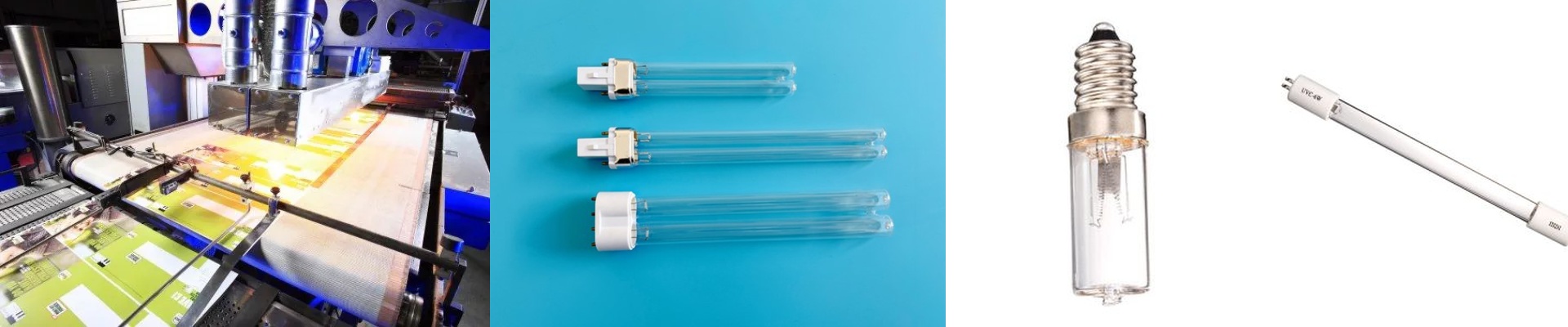
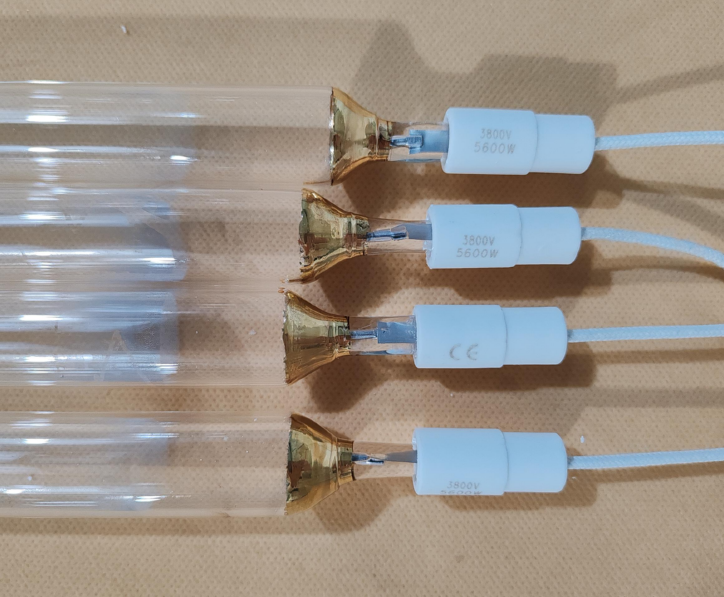
Out on the floor, a mismatched UV lamp isn’t just burning electricity. It’s throwing your cure off balance. When the spectral output doesn’t line up with what your photoinitiators are tuned to absorb, you get partial cross-linking, adhesion falling apart, and scrap piling up. So the real question is practical: can the lamp be dialed to match your machine’s power curve, or are you stuck making do with a compromise? What matters, technically UVA, 315–400 nm, is the surface cure workhorse, and with high-pressure mercury vapor lamps, 365 nm and 395 nm are the usual anchors for ink and coating photoinitiators. UVB, 280–315 nm, gives you mid-depth cross-linking, which boosts toughness and chemical resistance. UVC, 100–280 nm, brings germicidal action and can help with surface activation, but it creates ozone and needs quartz with specific doping and coatings. Peak irradiance in mW/cm² and energy density in mJ/cm² define the dose at the substrate. We keep spectral output consistent across the arc length and hold output stable by controlling junction temperature, electrode design, and reflector reflectivity. Long lamp life doesn’t mean much if output drops off fast. We aim for low attenuation so your cure window stays the same at 2,000 hours as it was at 200. Why this works on your press We match your machine’s power curve by adjusting internal voltage, so the lamp draws what your power supply can actually deliver without overshoot or sag. That electrical tailoring prevents current spikes, keeps irradiance steady, and holds the spectral profile where your ink chemistry needs it. The payoff is curing you can count on in the run, fewer stops for temperature drift, and adhesion that stays consistent job after job. You can run faster without chasing hot spots, and your energy bill goes down because more of the power becomes photons instead of waste heat. A few shop-floor details Electrical matching means we need the exact spec of your printer’s power supply profile and the connector interface. There’s a quick commissioning step to set voltage and confirm irradiance mapping across the web. If the lamp sits in a tight enclosure, pay attention to junction temperature and go with an ozone-free configuration. When airflow is restricted, we lean on lower-temperature quartz assemblies. Plan lamp replacement around arc hours, not the calendar, and use a spectral radiometer to verify output so the process stays in spec.