Stop Letting Burnt-Out Lamps Kill Your Profits
Let’s be honest: having a lamp blow out in the middle of a metal finishing run is a nightmare. It’s not just a quick fix or a minor annoyance. It’s a total stop. Every time you have to kill the power to swap a tube, you’re losing money. Those “hidden costs”—the downtime, the lost throughput—they eat into your margins way faster than a high electricity bill ever could.
The real headache of the “quick swap”
When you’re running an eco-friendly line, temperature is everything. You can’t just “wing it.” The second a lamp goes, the whole line freezes. You lose your heat soak. Then you’re stuck waiting around for the system to climb back up to operating temperature. I’ve seen plants lose hours of production every single week just because they were using cheap quartz tubes that weren’t built for the grit of a real industrial floor.
How to actually keep things running
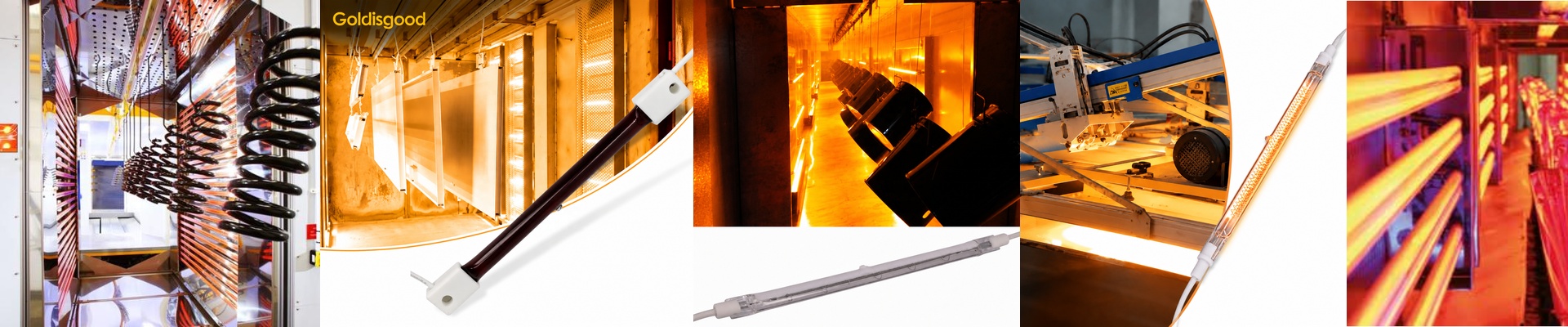
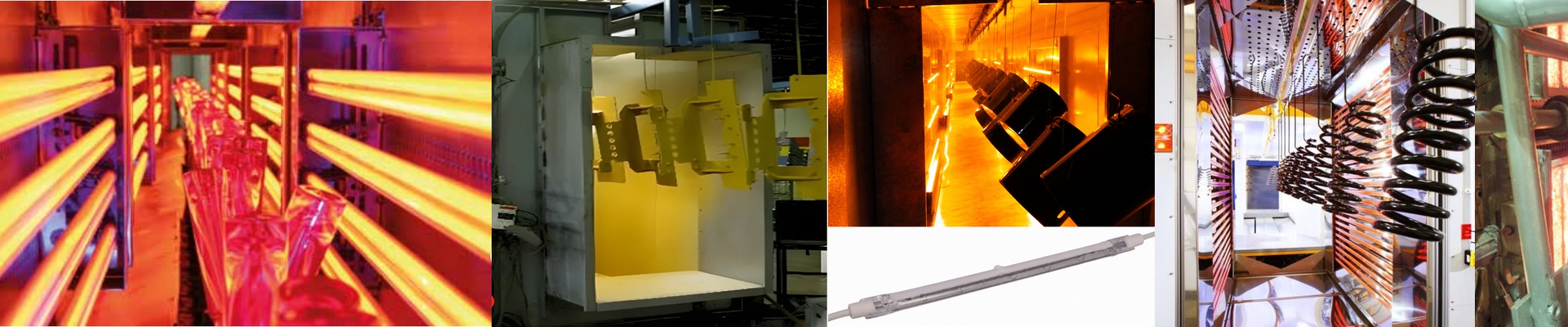
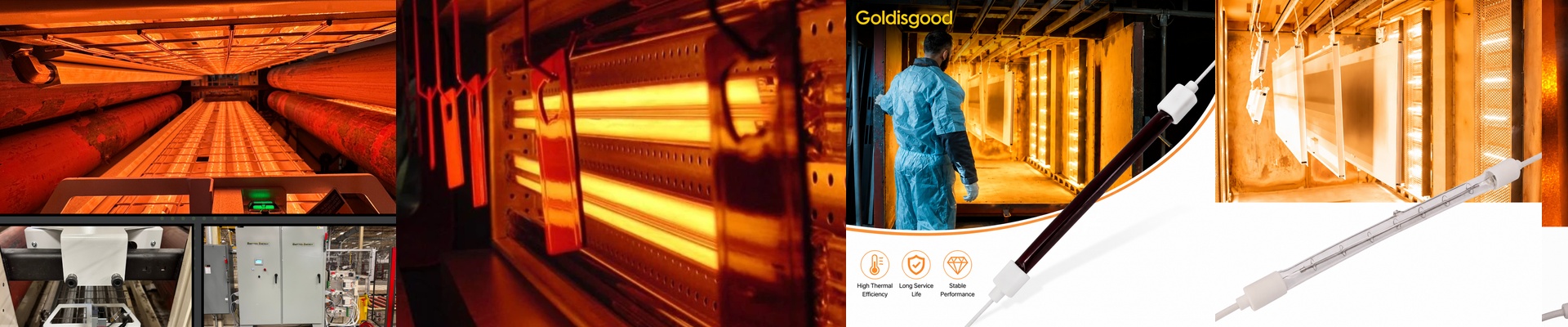
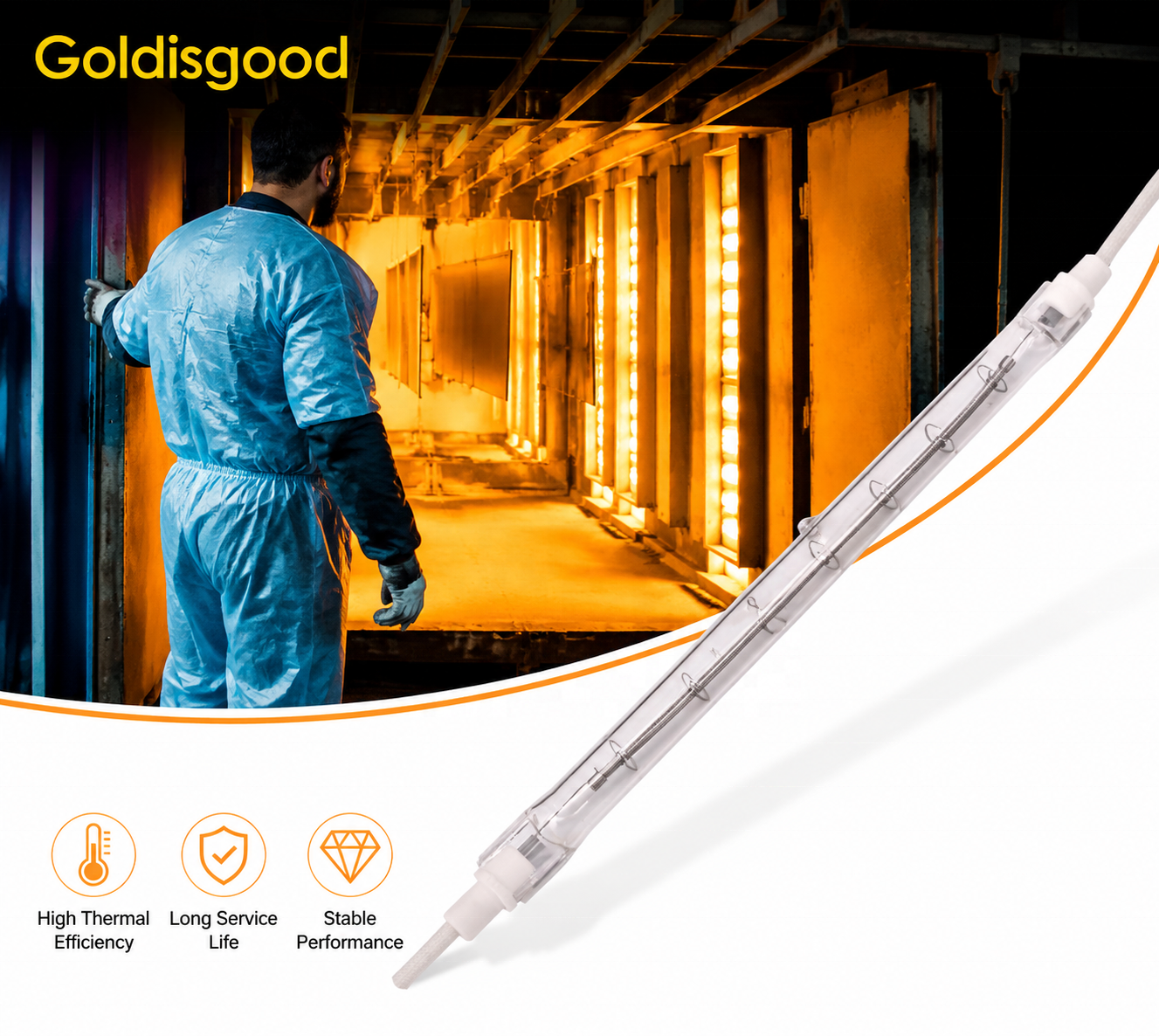
If you want to stop the bleeding, you need gear that can actually handle the workload. We focus on the tough stuff—heavy-duty quartz envelopes and filament shapes that don’t just give up the ghost after a few weeks. When your lamps actually last, you stop paying people to spend their shift replacing bulbs. Plus, when you have better wattage density, your ramp-up time drops. That means less standing around during shift changes or when you’re swapping products. It just moves faster.
A word of caution on heat
Here’s the thing: pushing more power into a smaller space is great for output, but it puts a lot of stress on your housing. If you go with a high-density IR array, make sure your cooling and ventilation can actually keep up. If the air around those connectors gets too hot, you’ll deal with terminal oxidation. And that’s a fast track to a shorter lamp life. Stop thinking of these lamps as disposable parts you just toss away. Switch to components that actually stay stable. Your line stays moving, and your profit stays in your pocket.