Why We Keep Coming Back to Gallium Iodide Lamps for Photoresist
Here’s the truth: when we spec out UV lamps for photoresist lines, we go with gallium iodide every time. Why? Because they nail that 365 nm band with steady, high-intensity output. It’s the sweet spot for i-line resist, so you get repeatable critical dimensions without risking the substrate. And it’s not just the bulb. It’s a whole system—tube, fill chemistry, arc geometry, and ballast interface—all working together. The payoff? Consistent energy density at the wafer plane, day after day.
Power, Voltage, and Geometry—The Practical Details
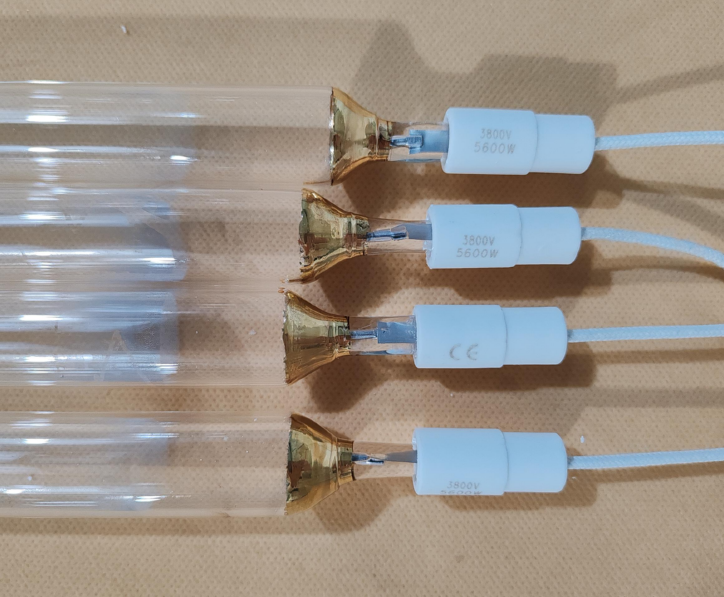
These lamps are built with a compact arc length, usually around 300 mm. That keeps them fitting into standard exposure modules and keeps the optical path nice and short. We match the wattage to the irradiance you need—often around 2500 W—and set the voltage to match the ballast. If your ballast is spec’d for 400 V, you’ve got to run the lamp voltage that matches. Mismatched voltage pushes the arc off its designed sweet spot, and you feel it fast: unstable ignition, current ripple, and the electrodes wear down quickly.
What’s Inside—Quartz, Filament, and the Signs of Aging
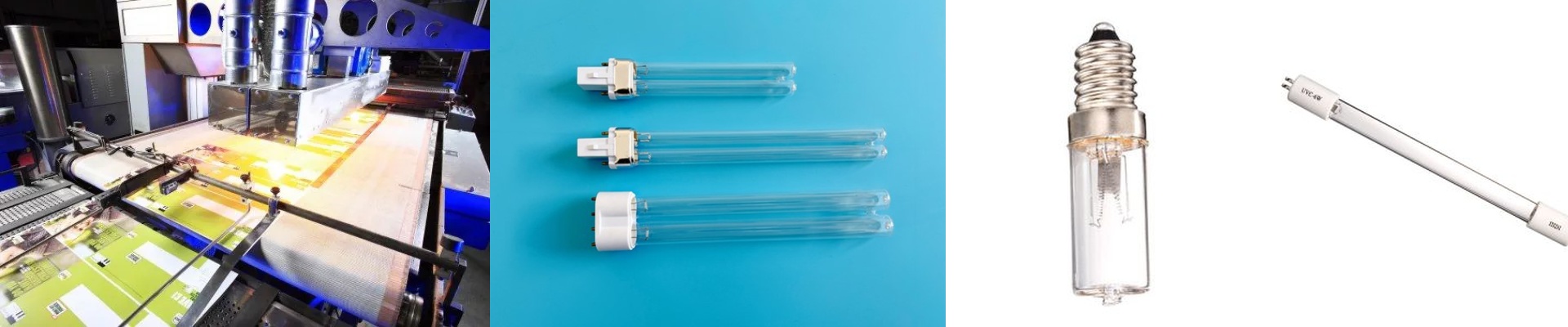
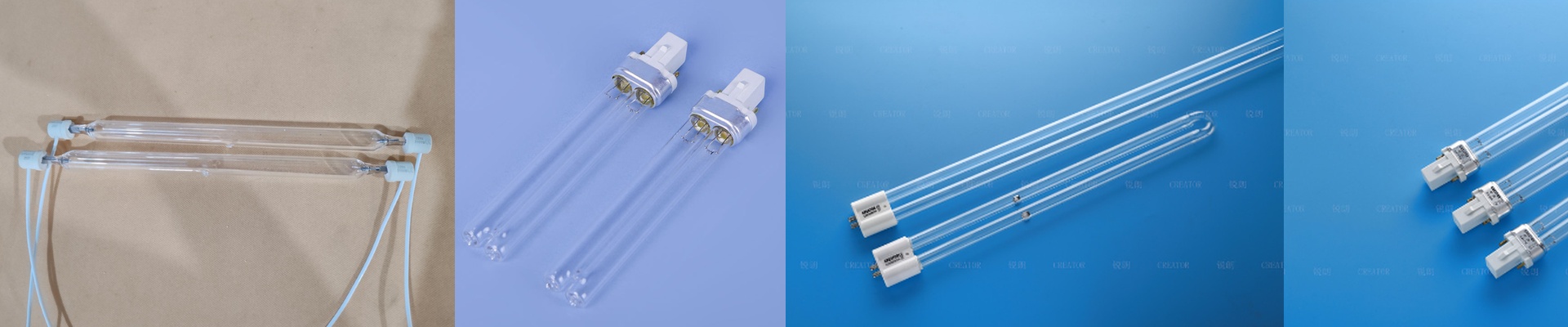
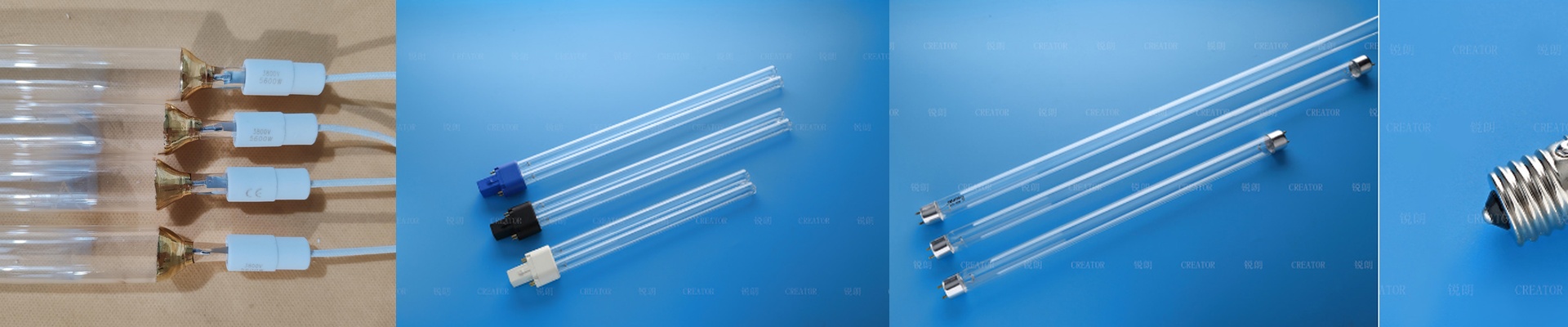
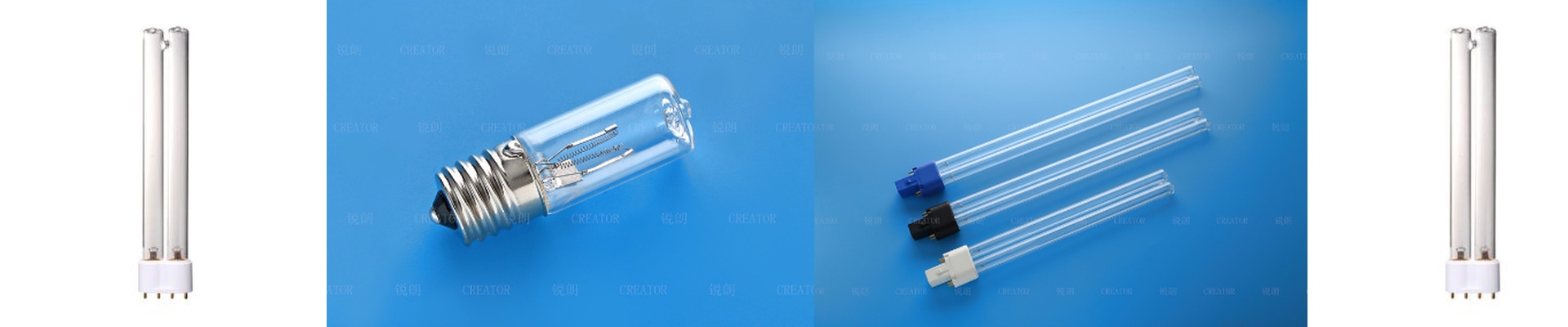
The tube is quartz, because it transmits UV well and handles thermal shock like a champ. Inside, the gallium iodide fill helps regenerate the tungsten filament, which keeps the inner wall from blackening—though you’ll still see darkening at the ends. That end blackening? Mostly electrode sputter. And it gets worse when you hammer the lamp with frequent hot starts. So we build the lamp with tough end seals and smart electrode geometry to cut down on sputter. And the connectors? They’re chosen to drop right in—typically R7s or SK15—so you can wire it up without messing with the socket.
Keeping the Line Moving—What It Feels Like on the Floor
On the line, this setup gives you stable exposure dose and predictable lamp life. That kind of reliability means fewer surprise change-outs and smoother throughput. But there’s a reality check: that high power density that gives you fast exposure also needs solid cooling. If the chamber can’t shed the heat, the quartz runs hotter and the fill chemistry starts to drift.
When Things Go Wrong—Don’t Jump to Conclusions
See end blackening? Don’t just blame the lamp. Check your ballast parameters against the lamp’s rated voltage and current. Look at the ignition profile and confirm the duty cycle. If you’re seeing blackening plus hard starting, the ballast is usually the culprit—not the tube.