Getting Your UV Curing Right: No Guesswork, Just Results
If you’re running a line with adhesives, coatings, or inks, you know the drill. You need your lamps to hit hard and your timers to be spot on. We build our lamps to keep up with the biggest names in the business, because at the end of the day, if the surface is still tacky or the bond isn’t solid, the lamp is just a fancy lightbulb. It’s not doing its job.
The Real Talk on Irradiance and Timing
Here is the thing about curing: it’s all about the total energy dose. You’ve got your irradiance (the power) and your exposure time. Multiply them together, and that’s your result. We focus on pushing the peak power density as high as possible. Why? Because when you swap out a standard tube for a high-output one, you don’t have to let the part sit under the lamp nearly as long to hit that critical gel point. It speeds everything up. But you can’t just “wing it.” That’s where a curing time recorder comes in. Without a real log of your exposure, you’re basically guessing. A tiny dip in voltage or a filament that’s starting to wear out can change your output without you even noticing. That’s how you end up with parts that look fine in the shop but fail the moment they hit the customer’s hands.
The Gear and the Trade-offs
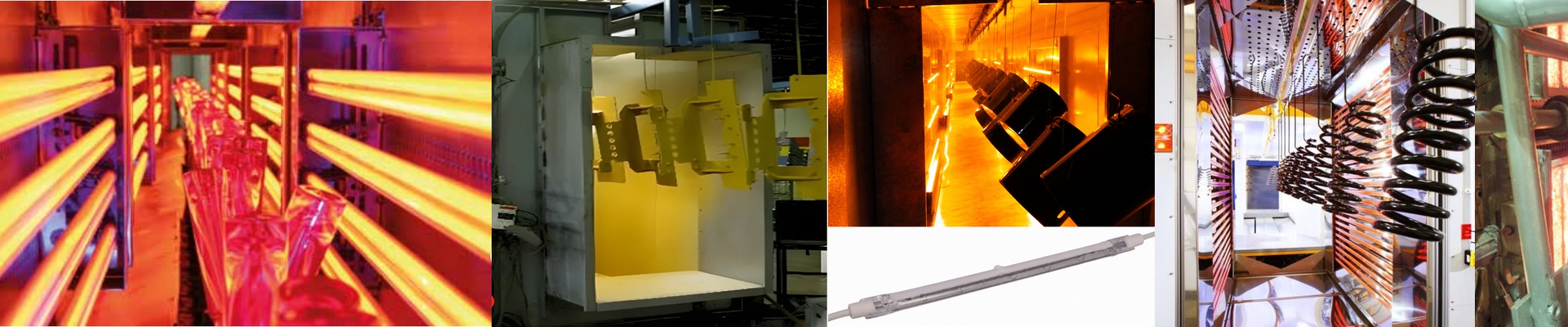
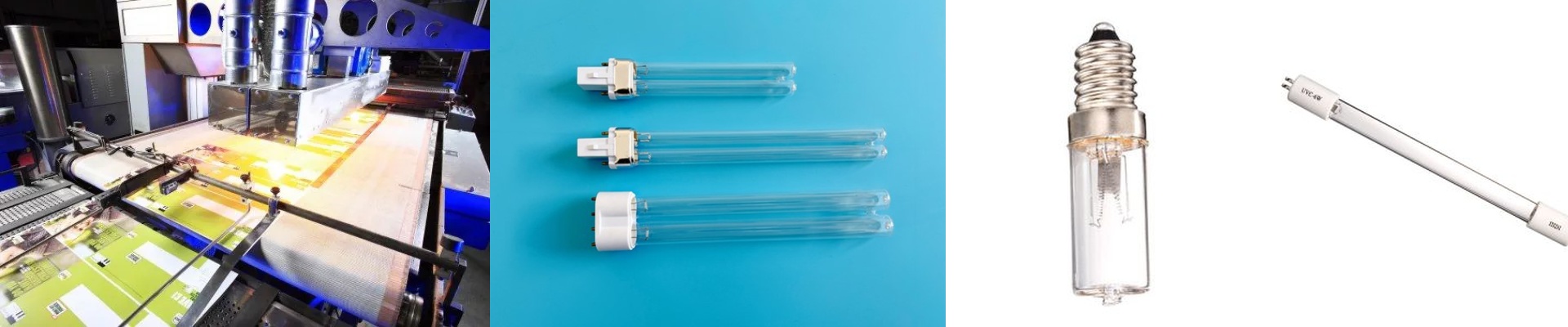
We use high-purity quartz for our envelopes. It lets the UV light through without blocking it and can handle the heat shocks without cracking. Plus, we make them as drop-in replacements, so you don’t have to rebuild your entire OEM housing just to upgrade your bulbs. Now, more wattage means faster curing. That’s the win. But there’s a catch:Heat. When you cram more power into a short tube, your conveyor and your parts feel it. If your cooling fans are clogged with dust or just aren’t strong enough, you’re risking warped parts or—even worse—burnt substrates. Keep an eye on your airflow.
How We Actually Prove It Works
We don’t do “marketing speak.” We don’t tell you our lamps are “superior” just because a brochure says so. We use radiometers. We measure the actual mW/cm² right at the substrate level. We want to see that the photon flux matches exactly what your specs require. If the cure density doesn’t beat or match your current high-end setup, we call it a fail. Simple as that.