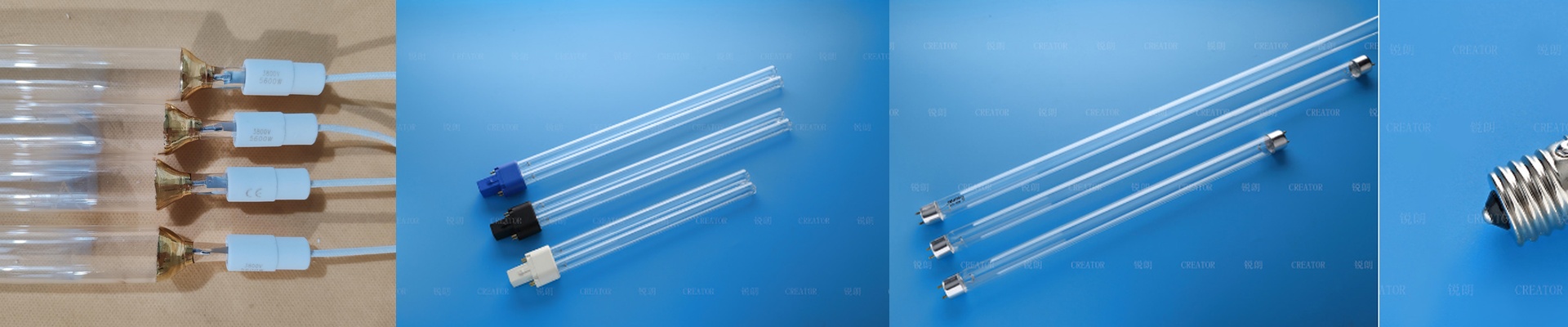
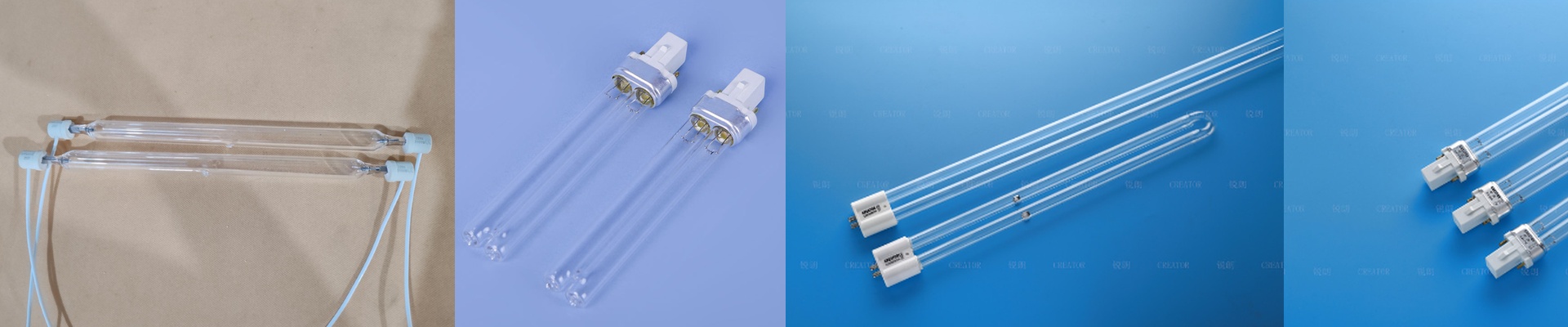
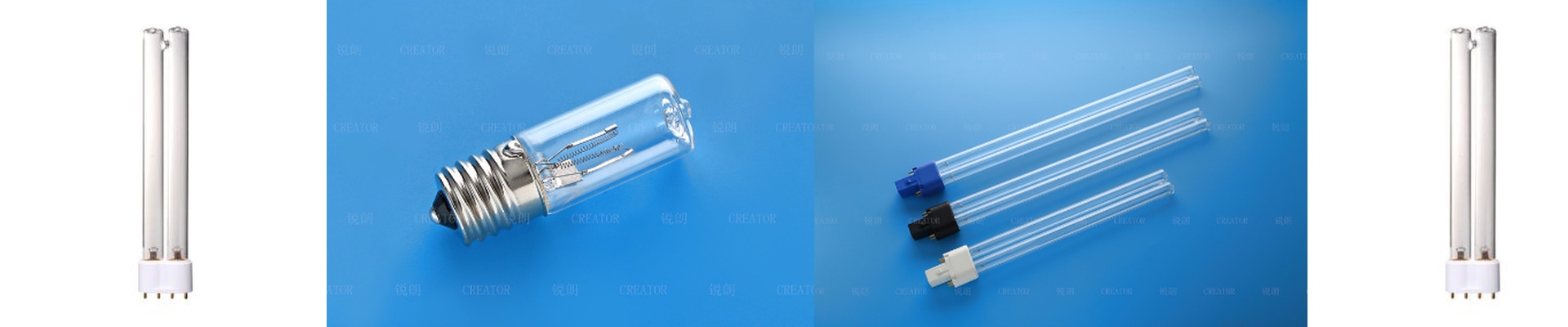
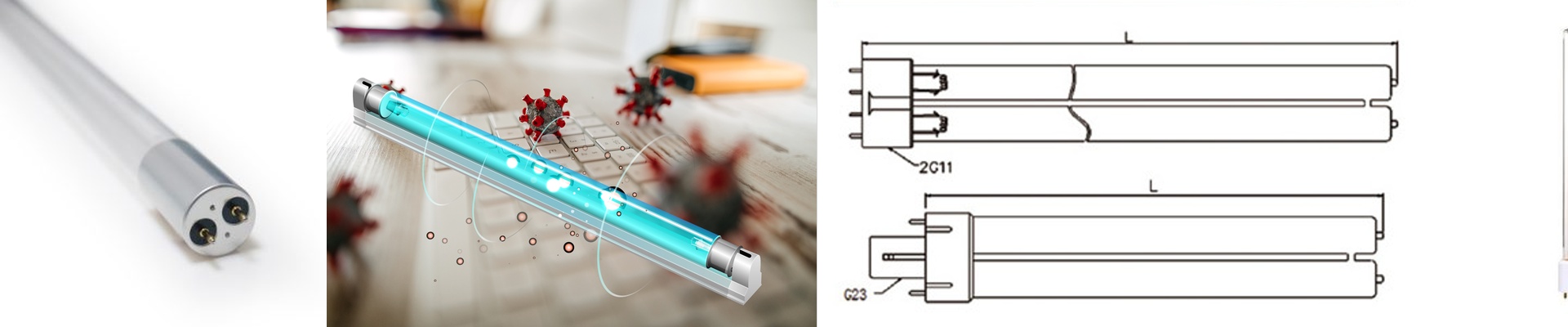
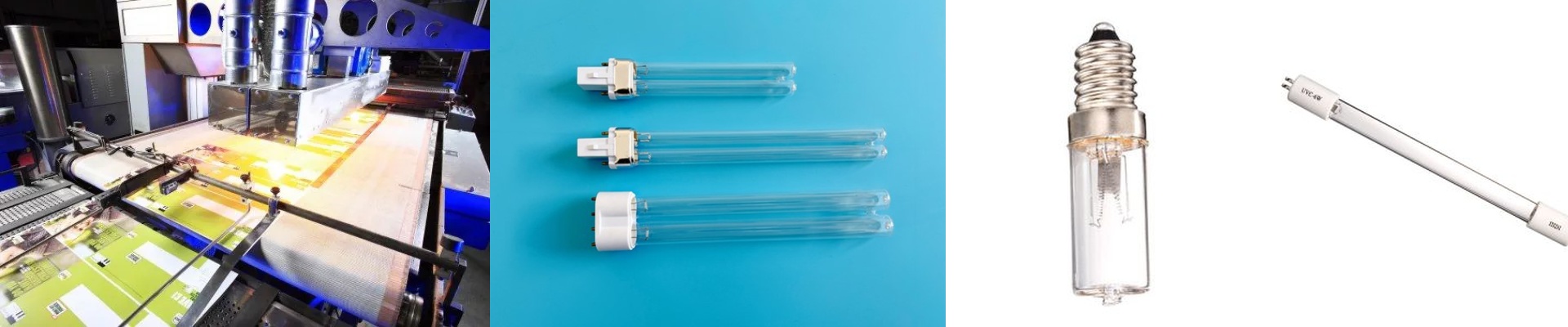
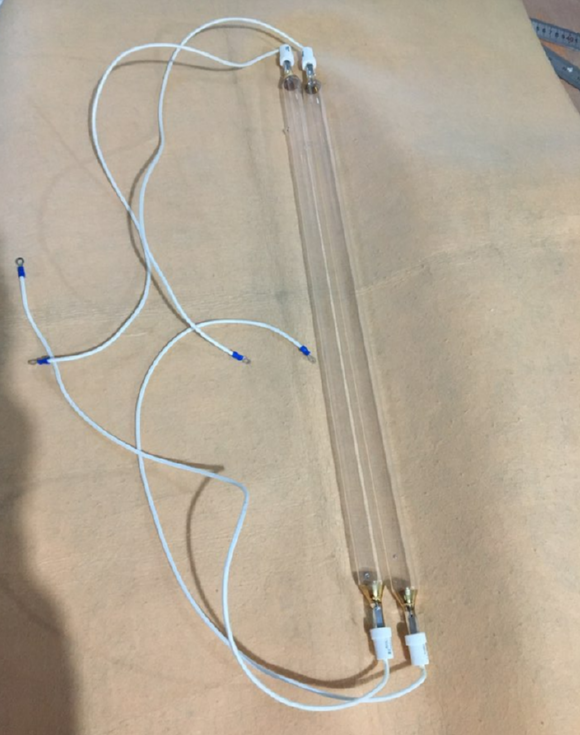
On an export-bound, fully automatic printing line, downtime isn’t a metric on a screen—it’s missed pallets and rejected batches. When the curing lamp underperforms, the press keeps rolling, but the product stops meeting spec. We spec our CE-certified UV lamps as original equipment on these machines because they deliver repeatable spectral output and uptime. Not promises. Proof. What matters technically Reliable UV curing comes down to matching lamp output to the photoinitiator window in the ink or coating. Our high-pressure mercury vapor lamps are engineered for a stable spectral profile centered on the 365nm line, with predictable output across the UVA band. Peak irradiance is tuned so you get enough photon flux at the substrate plane to hit the required energy density (mJ/cm²) and fully cross-link at line speed. We match lamp power and arc length to the reflector geometry and dwell time of each printer model, so you get consistent cure without chasing hot spots or under-cured edges. Reflector dichroic coatings are chosen to maximize usable UV delivery while keeping IR heat load under control. Why it works here Export-oriented machines are built to run 24/7 across shifts and voltage conditions. Our CE-certified lamps integrate as plug-in original components—correct connectors, compliant insulation, and documented safety and EMC alignment that fits the whole machine package. In production, stable spectral output translates to consistent cure depth: fewer off-spec sheets, less rework, and predictable makeready. Energy use stays in line because the lamp and reflector deliver the needed irradiance without over-driving the system. Longer service intervals mean fewer lamp changes and fewer micro-stops, which keeps throughput where these presses are designed to run. Here’s what to watch for Match the lamp to the curing module, not just the socket. Reflector condition, cooling airflow, and shutter cycle count can shift effective irradiance even when the lamp still lights. Make sure your line speed, ink formulation, and substrate thickness are mapped to the lamp’s energy density window. Also, ozone-free designs are available, but any UV source still needs proper ventilation and shielding to manage heat and surface byproducts—plan the lamp compartment airflow accordingly.