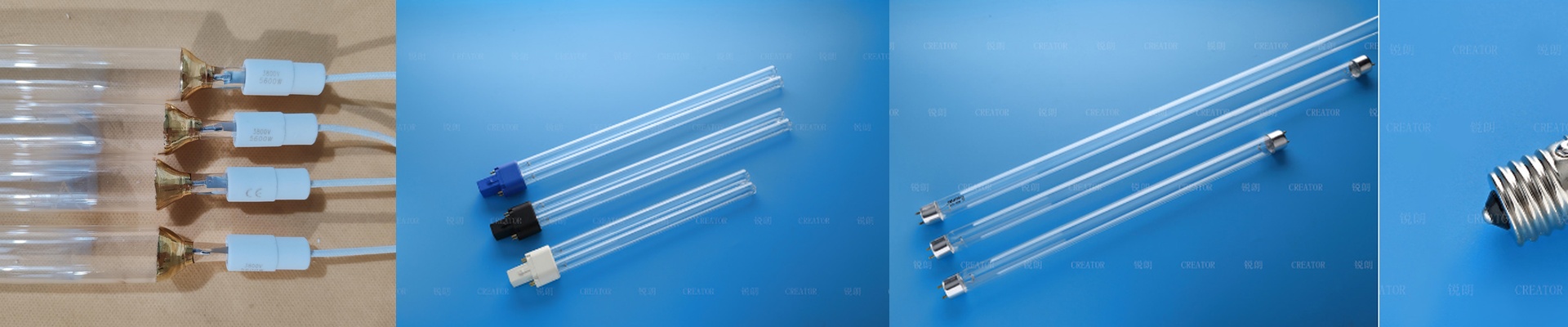
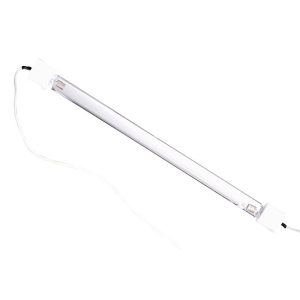
Out on the floor, standard UV systems choke when you try to print on anything that isn’t flat. Steps, ribs, undercuts—they all throw shadows, and those shadows mean ink stays uncured. You get smearing, adhesion failures, and the whole line stops while scrap piles up. We built a UV setup to fix that at the physics level, not with marketing. What matters when you’re curing Curing is a photochemical reaction, plain and simple. It comes down to spectral output, peak irradiance, and how much energy you actually deliver. For most industrial inks and coatings, that 365 nm mercury line is the driver—it’s what the photoinitiator absorbs, and what makes the cross-linking happen. Matching wavelength to the photoinitiator isn’t optional. Our system targets 365 nm with a spectral half-width that packs the photon flux where it needs to be. We specify peak irradiance at the substrate surface at 1200 mW/cm², measured with a calibrated radiometer. Delivered energy density is tuned to 800–1200 mJ/cm²—enough for a full surface cure without cooking thin films. The reflector geometry uses a dichroic coating and is shaped to map the beam, so you get a tailored energy profile instead of a flat, uniform flood. Why this works on the messy stuff Irregular parts need energy that follows the geometry, not fights it. We dial in reflector contours and lamp placement so the hard-to-reach areas still get the required dose. Dead zones disappear on brackets, housings, and contoured components. You end up with consistent cure across the entire print path, even at line speeds of 60 m/min. That means fewer rejects, adhesion that stays stable, and throughput you can plan around. We focus the energy where it’s needed, so you don’t waste wattage on open areas and keep operating costs under control. What you need to account for Installation comes down to aligning the lamp, reflector, and substrate path with precision. Distance tolerance is tight—±5 mm—because irradiance drops off with the inverse-square relationship, and you feel it fast. With mercury lamps, expect a 10–15% output drop after 2000 hours; run radiometer checks every 500 hours and keep spare lamps on the shelf. If the environment is ozone-sensitive, confirm the quartz envelope spec up front. And always verify your ink’s photoinitiator absorption curve—if it peaks at 395 nm, we shift the spectral output to match.
בדומה לקו הייצור, מערכות UV סטנדרטיות נכשלות כשמנסים להדפיס על משטחים שאינם שטוחים. מדרגות, גבשושיות, חריצים — כולם יוצרים צללים, וצללים אלו גורמים לכך שהדיו נשאר לא מחושמל. התוצאה היא טשטוש, כשלי הצמדה והפסקת הקו כולו כאשר פסולת מצטברת. ייצרנו מערכת UV שמטפלת בבעיה ברמה הפיזיקלית, לא באמצעות שיווק.
מה חשוב בתהליך ההחלקה החלקה היא תגובה פוטוכימית, פשוטה וברורה. היא תלויה בתפוקת הספקטרום, בעוצמת הקרינה השיאית וכמות האנרגיה שנמסרת בפועל. עבור רוב הדיוים והציפויים התעשייתיים, קו הקשת 365 ננומטר של כספית הוא המניע – זה מה שפוטואינישיאטור סופג ומה שמפעיל את תהליך הקישור ההצלבה. התאמת אורך הגל לפוטואינישיאטור אינה אופציונלית. המערכת שלנו ממוקדת ב-365 ננומטר עם רוחב ספקטרלי חצי-רוחב שמרכז את הזרם הפוטוני במקום הנדרש.
אנחנו מגדירים את עוצמת הקרינה השיאית על פני המצע ב-1200 mW/cm², נמדדת באמצעות רדיומטר מכייל. צפיפות האנרגיה המועברת מכויילת לטווח של 800–1200 mJ/cm² — מספיק להחלקה מלאה של המשטח מבלי לחמם יתר על המידה שכבות דקות. הגיאומטריה של המבטא נעשית באמצעות ציפוי דיכרואי ומעוצבת למיפוי הקרן, כך שמתקבל פרופיל אנרגיה מותאם במקום שטף אחיד ושטוח.
מדוע זה עובד על חלקים מורכבים חלקים בעלי צורה לא סדירה זקוקים לאנרגיה העוקבת אחרי הגיאומטריה ואינה מתנגדת לה. אנו מכווננים את קווי המתאר של המבטא ואת מיקום המנורה כך שגם אזורים קשים להגעה יקבלו את המנה הנדרשת. אזורי הצל אינם קיימים במתקנים, מארזים ורכיבים מעוקלים. התוצאה היא החלקה אחידה לאורך כל מסלול ההדפסה, אפילו בקצבי קו עד 60 m/min. משמעות הדבר היא פחות פסילות, הצמדה יציבה וקצב ייצור שניתן לתכנן בהתאם. אנו מרוכזים להעביר את האנרגיה היכן שנדרשת, כך שלא מבזבזים הספק על אזורים פתוחים ומנהלים עלויות תפעול בצורה יעילה.
מה יש לקחת בחשבון התקנה מחייבת יישור מדויק של המנורה, המבטא ומסלול המצע. תו הסובלנות במרחק מוגבל – ±5 מ"מ – מפני שעוצמת הקרינה יורדת לפי חוק ריבוע ההפוך, והשפעתה מורגשת במהירות. במנורות כספית מצפים לירידת תפוקה של 10–15% לאחר 2000 שעות עבודה; יש לבצע בדיקות רדיומטר כל 500 שעות ולהחזיק מנורות רזרביות במלאי.
אם הסביבה רגישה לאוזון, חשוב לאשר מראש את מפרט מעטפת הקווארץ. וכמו כן, יש לאמת תמיד את עקומת הספיגה של פוטואינישיאטור הדיו – אם השיא מתקבל ב-395 ננומטר, אנו משנים את תפוקת הספקטרום כדי להתאים לכך.