Why Your UV Lamps Are Probably Costing You Too Much
We spent some time visiting 3,000 different printing plants. We wanted to know why standard UV systems always seem to fall apart once they hit a real production floor. Most of the shop owners we talked to were dealing with the same two headaches: power bills that make your eyes water and lamps that burn out way too fast. The problem is that lab specs don’t mean much in the real world. If your lamp isn’t tuned to your actual line speed, you’re just throwing money away.
Getting the power right
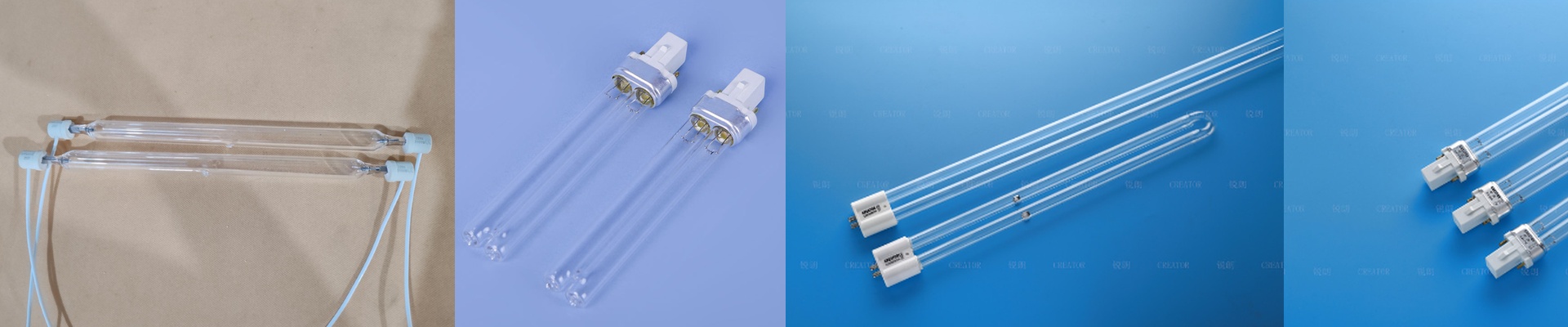
When people talk about efficiency, they usually think they need a lower-wattage bulb. But that’s not really how it works. The goal is to hit the right dose without turning your equipment into a space heater. If your lamp is overkill for your belt speed, you aren’t getting a better cure—you’re just heating up the material. That’s how you end up with warped substrates and ruined prints. We focus on the timing. We tweak the wattage and the focal length so the UV hits the target at the exact millisecond the material passes under the array. It’s about precision, not just raw power.
Dealing with the heat
High-output UV systems get hot. Really hot. And if you don’t get that heat out of there, your lamp’s lifespan plummets. We use a specific kind of quartz glass. It lets the UV light through while keeping the infrared heat from building up. But you also have to keep an eye on your cooling. If your fans aren’t pulling the heat away from the electrodes fast enough, the lamp starts to flicker. Then it fails. It’s as simple as that.
Making it work in your shop
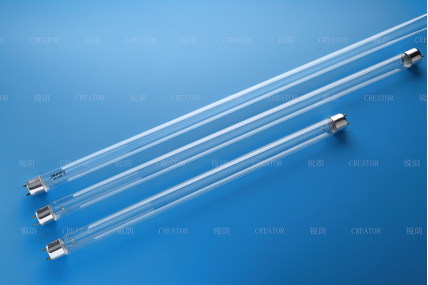
We built these systems to be drop-in replacements. I don’t think you should have to rewire your entire plant just to save some electricity. We use standard connectors so you can swap things out quickly and get back to work. One thing to keep in mind: when you’re running a high-efficiency setup, the margins get tighter. If your lamp shifts just 5mm in height, your curing results change. It’s a small distance, but it matters. Make sure your mounts are locked down tight so your output stays the same across the whole web.