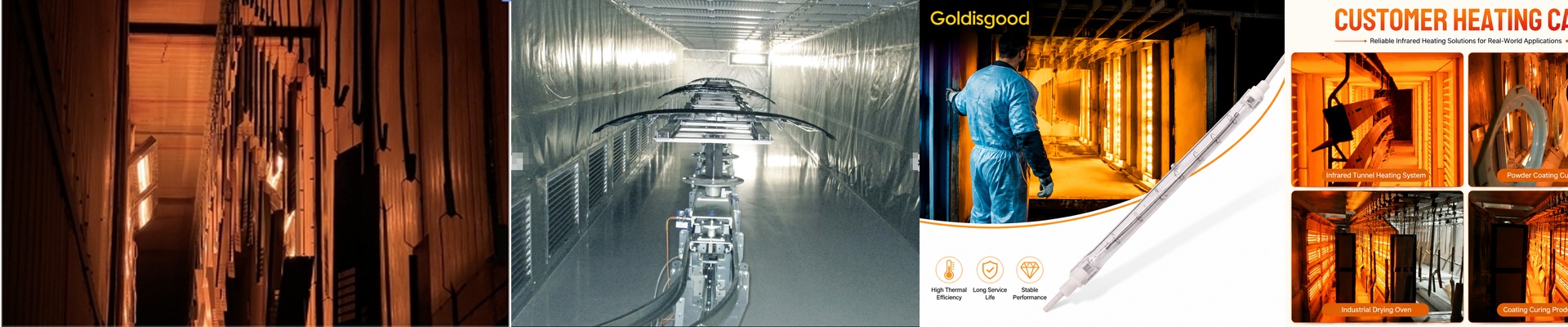
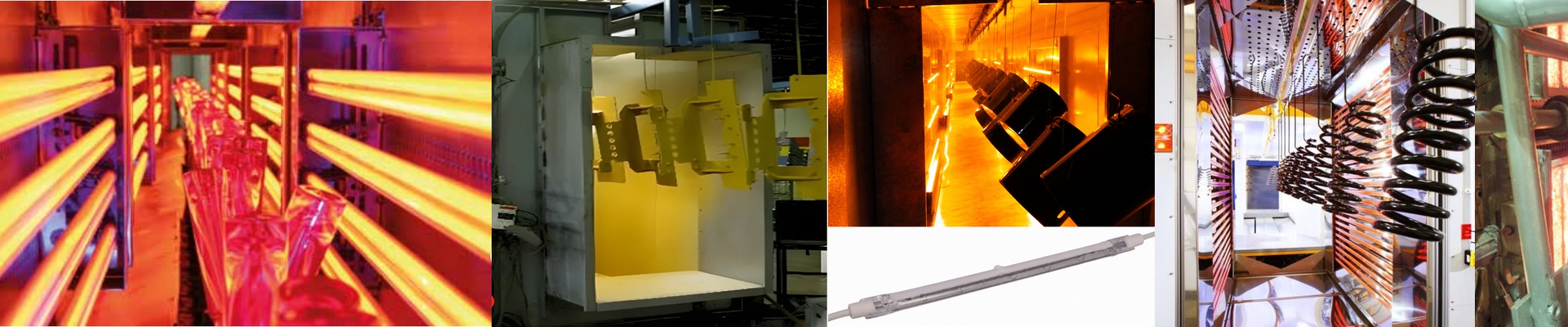
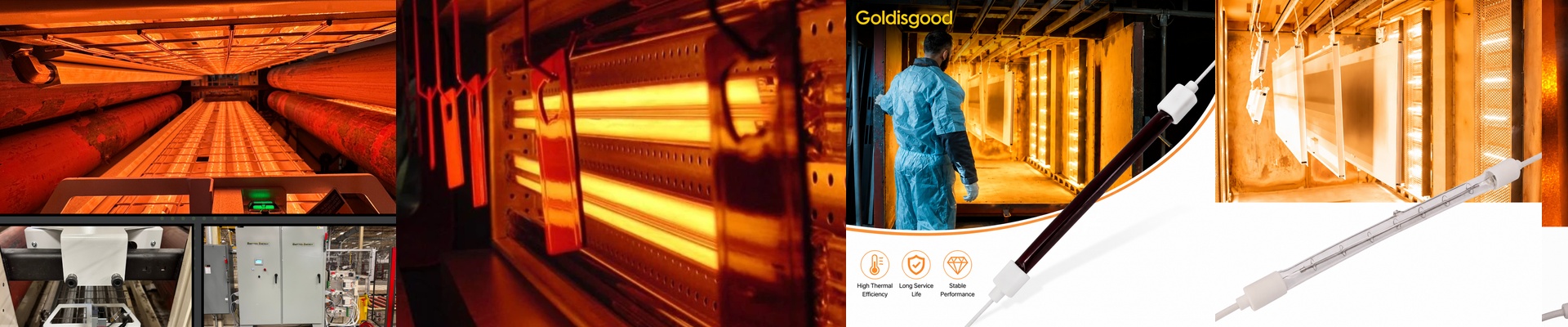
When Your Curing Oven Goes Cold, Everything Stops
Imagine this: you’ve got a full schedule, parts are lined up, and then—pop. A heating element blows. Just like that, your entire powder coating line is a giant, expensive paperweight. If you’re dealing with one of those massive corporate brands, this is where the nightmare starts. You’ll get stuck in a loop of “factory approval” forms and support tickets. You’re sitting there watching your backlog grow while some manager in a distant office decides if your request is “valid.” It’s frustrating. Honestly, it’s a joke. A dead heater isn’t a paperwork problem; it’s a crisis. That’s why we keep our technical support open 24/7. We get it. You just need the heat back on.
Cutting Through the Red Tape
Most engineers pick a heater based on a spec sheet. That makes sense. But they forget about what happens after the purchase. Big OEMs love their bureaucracy. They have a long chain of commands that a replacement part has to travel through before it even hits the loading dock. We don’t do that. We give you direct access to the people who actually know how the gear works. No middlemen. No waiting for a corporate stamp of approval. You get a replacement that fits and the wiring specs you need to get moving again. Fast.
The Balancing Act of High-Output Heat
Getting that perfect thermal profile for powder coating is a bit of an art. Usually, the instinct is to crank up the wattage to speed things up. But there’s a catch. When you push for more power, you put a lot more stress on your electrical contacts. High-density heaters are great, but if your voltage is jumping around or your vents are clogged, those tubes are going to burn out way sooner than they should. We’ll actually sit down with you and figure out the right wattage-to-voltage ratio. It’s all about making sure you get the heat you need without melting your housing.
Let’s Be Real About Maintenance
Look, no heater lasts forever. It’s just physics. The real goal isn’t to find a “magic” heater that never breaks—it’s to make the gap between the failure and the restart as small as possible. We focus on quick responses and parts that actually fit your existing setup. You shouldn’t have to put your entire production schedule at the mercy of a corporate office just to get a spare part. You should be able to wire it up and get back to work.