
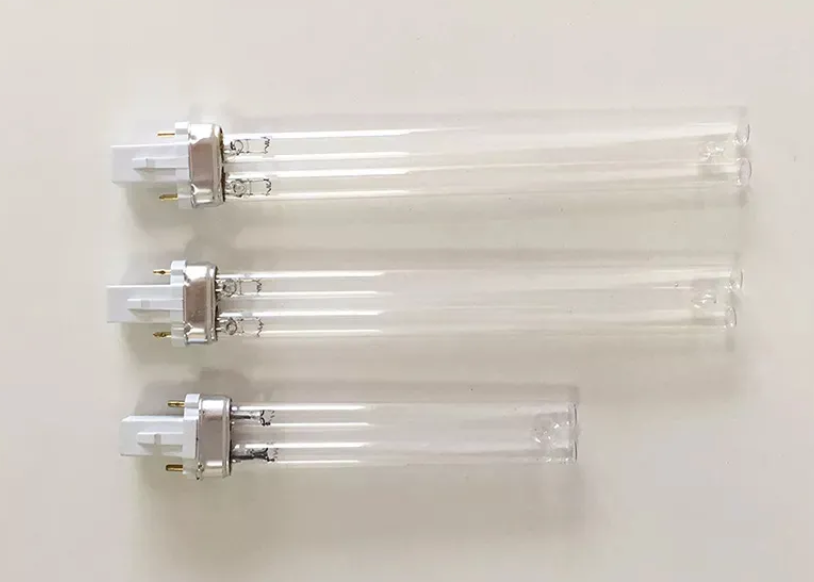
The UV Lamp and Trigger Match: Getting It Right
We build UV systems to keep algae out of aquariums. And honestly, the thing that fails most often out in the real world? It’s not the lamp. It’s the mismatch between the trigger and the lamp. When the trigger can’t deliver the right starting jolt, and the lamp can’t accept it, you end up with a system that won’t start, one that keeps trying and failing, or a lamp that dies way too soon.
Why the Pair Has to Be Perfect
Here’s the thing about the UV lamps we use: they’re high-pressure discharge lamps. That means they need a hard, high-voltage pulse to get the arc going, then a steady current to keep it humming. The trigger provides that initial kick. But the lamp itself—the gas inside it, how the electrodes are built—determines exactly how much voltage it needs to strike, and what the ballast has to handle once it’s running. So when we spec a lamp, we match it to a trigger that delivers a very specific pulse: the right peak voltage, the right timing. If the pulse is too weak, the lamp never lights. Too strong, and you’re beating up the electrodes, which shortens the lamp’s life.
The Design Behind a Reliable Start
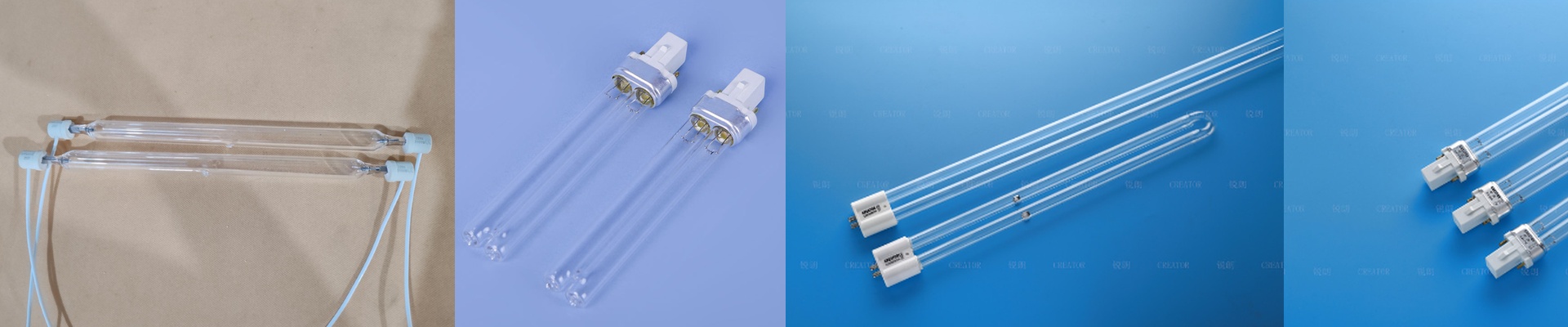
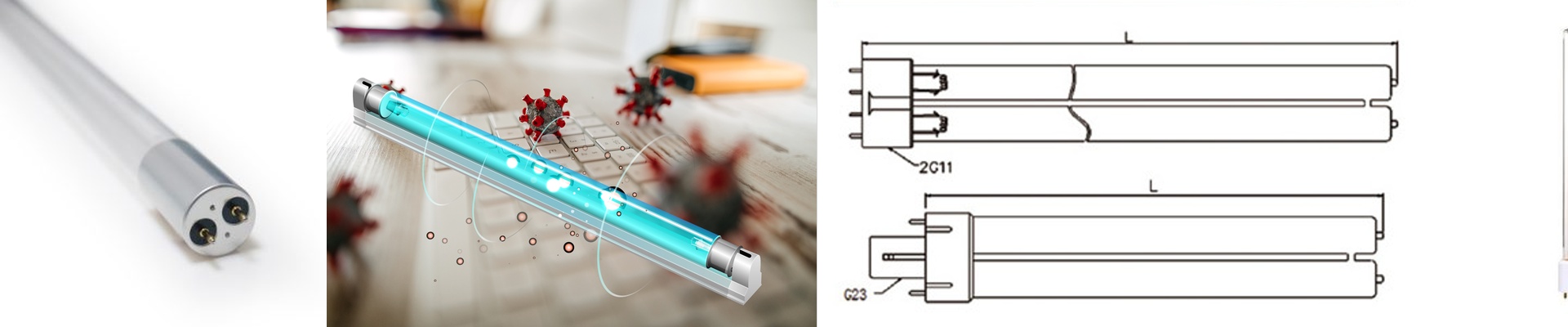
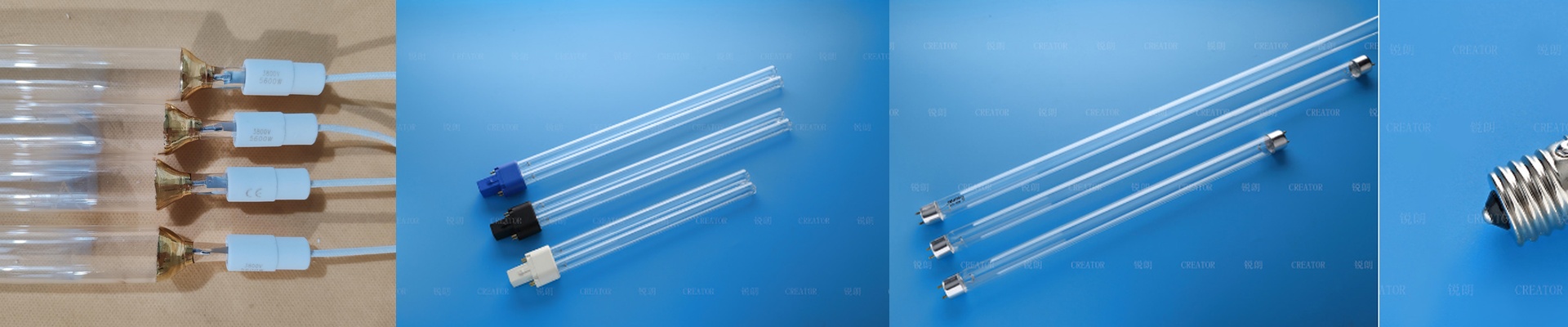
The lamp envelope is quartz, because it has to transmit UV and handle serious heat. The electrodes are built to take repeated hot starts. And the gas inside is chosen specifically so the lamp ignites steadily, whether it’s being cooled by water or just running in ambient conditions. On the other side, the trigger is designed to deliver a fast, high-energy pulse without overloading the ballast. When these two pieces work together, the arc stays stable while the lamp warms up. No flicker. No stress on the power supply.
What This Means for Your Aquarium
In your aquarium loop, the UV lamp sits right in the flow. We design the trigger and lamp as a matched pair so the system fires up reliably every time—even if the power blinks out and comes back on. We build the combo to run for long stretches between maintenance. But there’s a trade-off: higher power means more heat. So we plan the cooling path and ballast placement carefully to prevent overheating. Match the trigger to the lamp, wire it up right, and you get a system that just works. It’s a dependable, drop-in solution for keeping your water clear and algae-free.