Ten Years in the Trenches: What We Actually Learned About Green Powder Coating
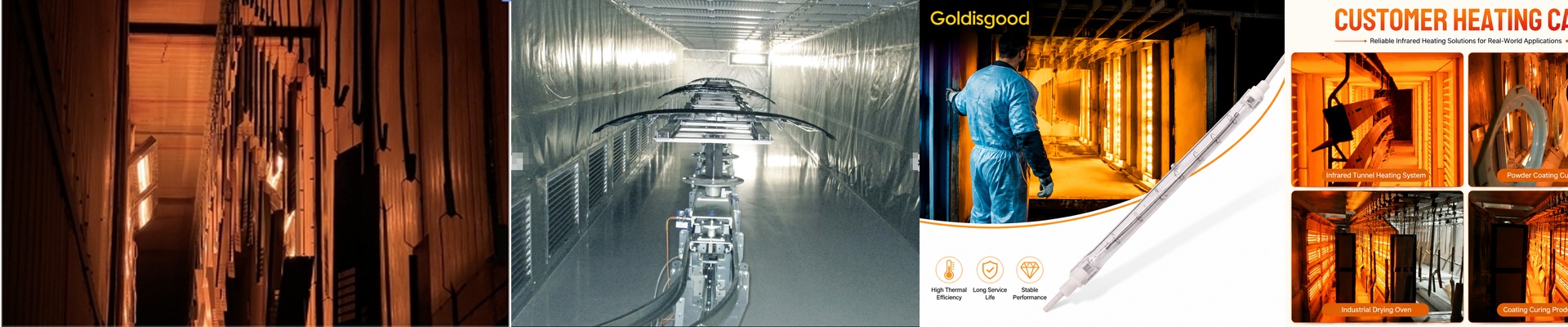
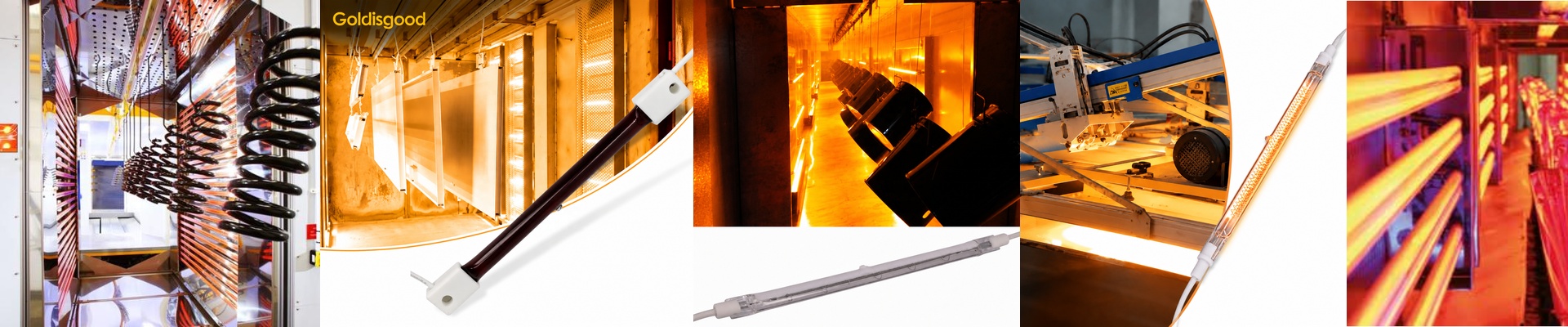
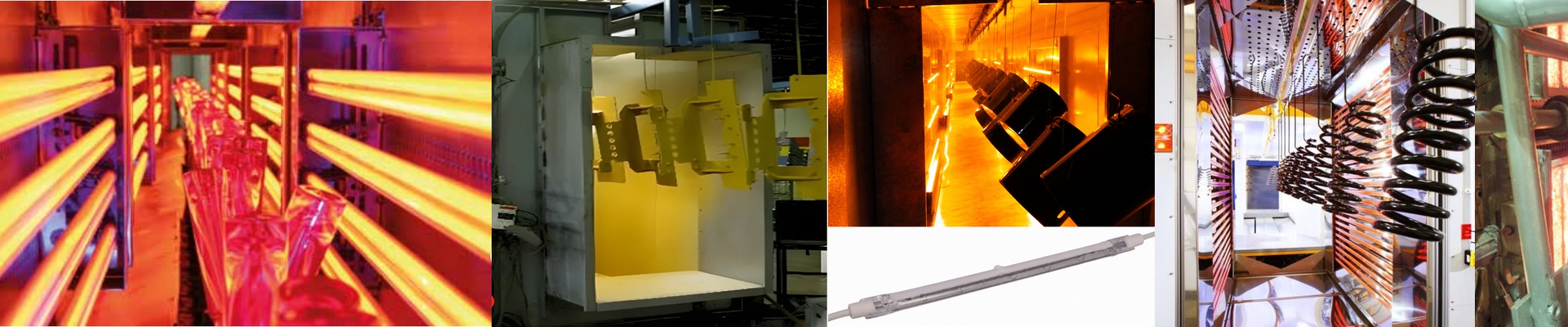
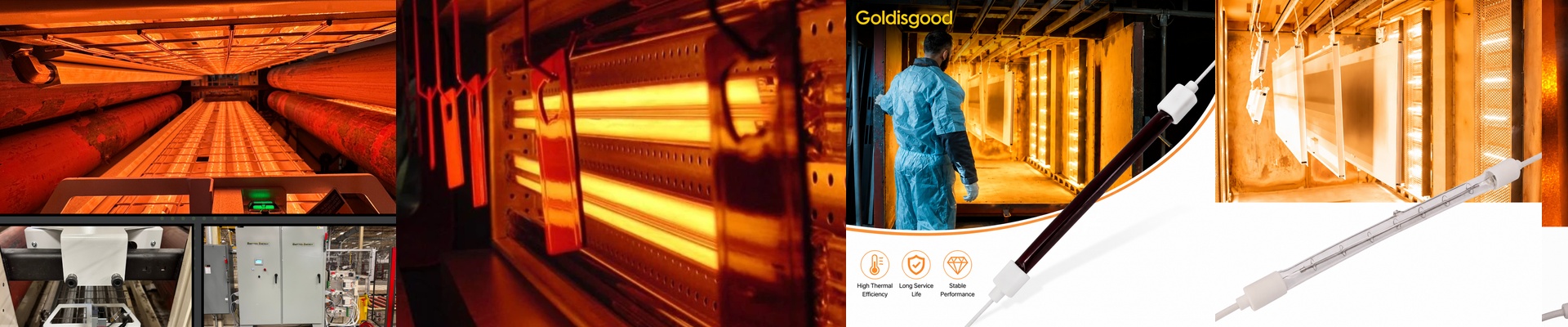
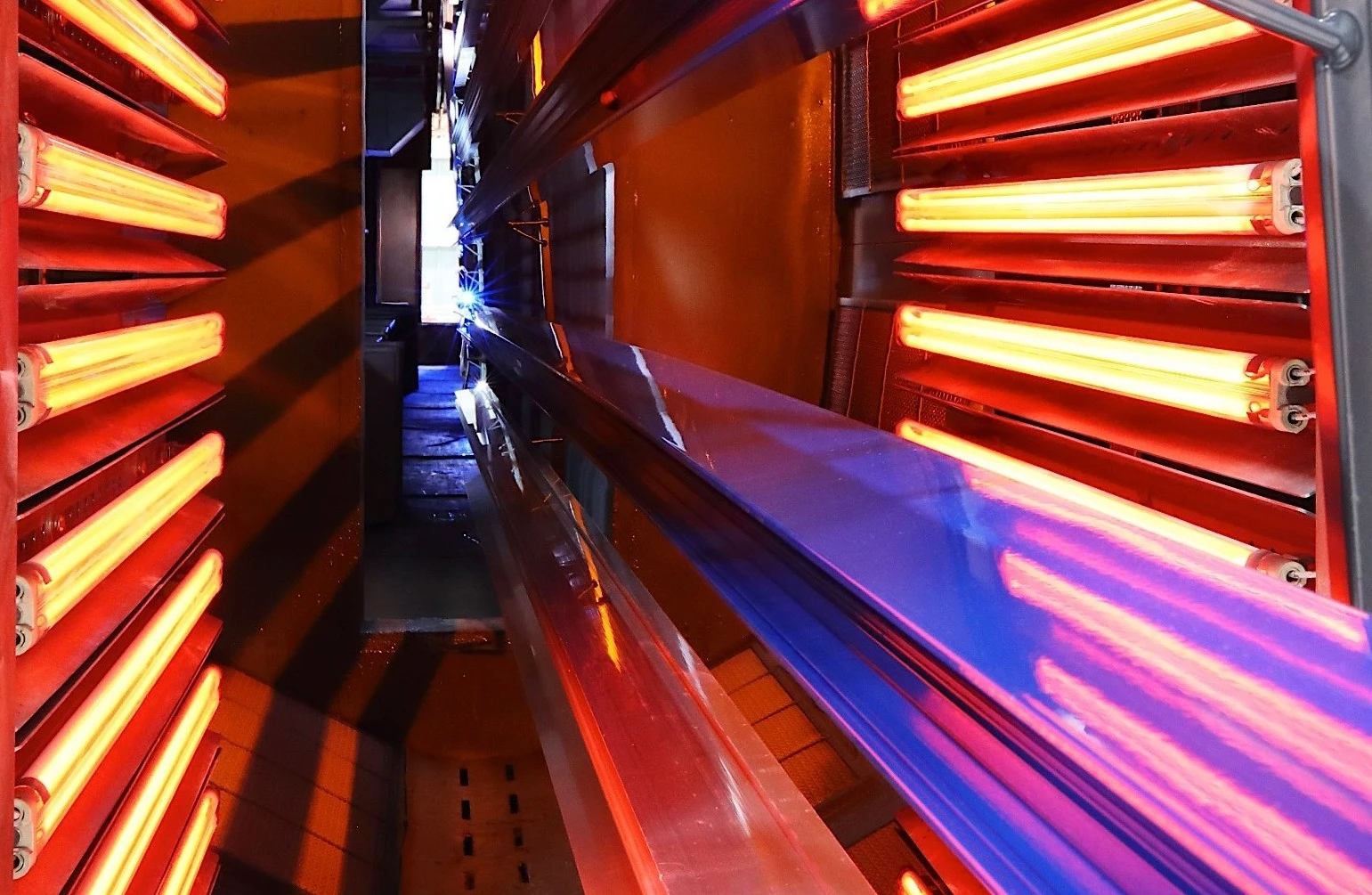
Before we started selling equipment, we spent a decade as an OEM. We were the ones actually running the lines, dealing with the messes, and figuring out why things weren’t working. That’s where we learned that “going green” isn’t some corporate buzzword or a marketing slide. It’s actually just a math problem. It’s about thermal curves and chemical stability. If you get those right, you stop throwing money in the trash. The heat struggle The biggest energy hog is the curing oven. To cut your carbon footprint, you have to hit a very specific sweet spot between when the powder melts and when it starts to burn. It’s a balancing act. If your oven ramps up too slowly, you’re just leaking heat into the room for no reason. But if you blast it too hard? You get that dreaded “orange peel” texture or bubbles. It looks terrible. We build our heating elements to keep the temperature steady across the whole conveyor. No cold spots. No under-cured parts. And most importantly, no spending your Friday afternoon doing costly re-works. Cutting the chemicals We’re moving away from solvents. Period. We design systems for high-solid or solvent-free powders, but those materials can be finicky. They want to clump. To stop that, you need airflow that’s dialed in perfectly so the powder actually sticks to the part. We also lean heavily on high-grade filtration. By capturing the overspray instead of letting it float away, we’ve seen raw material waste drop by about 30%. That’s a lot of powder staying on the part and out of the bin. The trade-off Here’s the honest truth: there’s always a catch. If you want a high-efficiency cure, you need a lot of heat density upfront. It makes your throughput faster, which is great, but it beats up your oven seals and insulation. Plus, if you push for a rapid cure to save on electricity, you can’t ignore the cooling zone. If that zone isn’t spec’d to handle the sudden temp drop, you’ll get thermal shock. We aren’t selling a magic wand. We just provide the hardware and the hard data to help you run a leaner line. It really just comes down to matching your heater wattage to the mass of your parts and the speed of your line. Simple as that.