Stop Guessing With Your IR Curing
Most IR curing lamps are basically blind. You plug them in, flip the switch, and just hope the heat is hitting your parts evenly. The real headache starts when a lamp burns out or the power dips. Usually, you don’t even notice until a pile of parts fails QC and you’re staring at a mountain of scrap. It’s a reactive way to work, and honestly, it’s stressful. That’s why we’re moving toward systems that actually tell you how they’re doing in real-time.
Lamps That Talk Back
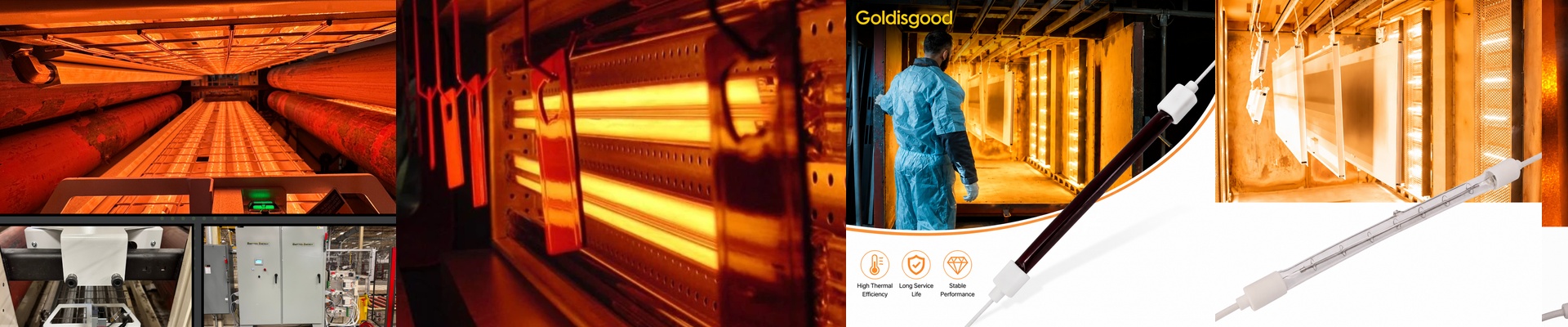
A smart curing system does more than just blast heat; it keeps tabs on it. By tucking current-sensing resistors and thermal probes right into the housing, the system knows the second a filament snaps or the voltage drops. Instead of the whole line grinding to a halt, the controller just taps you on the shoulder and tells you exactly which lamp needs to be swapped. Plus, you get a clear picture of how your lamps are wearing down. You can stop replacing everything on a rigid calendar and just swap them out when they actually need it. It saves time. And money.
Handling the Heat
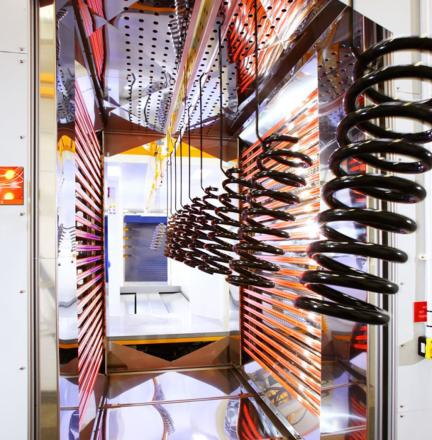
High-output lamps are great for speed, but all that energy is a bit of a double-edged sword. If a cooling fan dies or some dust blocks the airflow, things get dangerously hot. Self-diagnostic systems keep an eye on the temperature around the quartz envelope. If it gets too spicy, the system automatically dials back the power. This keeps your lamps from cracking and your reflectors from warping. It’s basically an insurance policy for your hardware.
The Trade-offs
Now, this isn’t magic—there are a few catches. Adding all these sensors means the heating assembly gets a bit bulkier. You’ve also got more wiring to deal with. And since we’re talking about extreme heat, that cabling has to be properly shielded, or you’re just creating new points of failure. You’ll also want to make sure your control cabinet can handle the extra data. Processing real-time diagnostics across multiple zones takes a bit more muscle than a simple on/off switch.