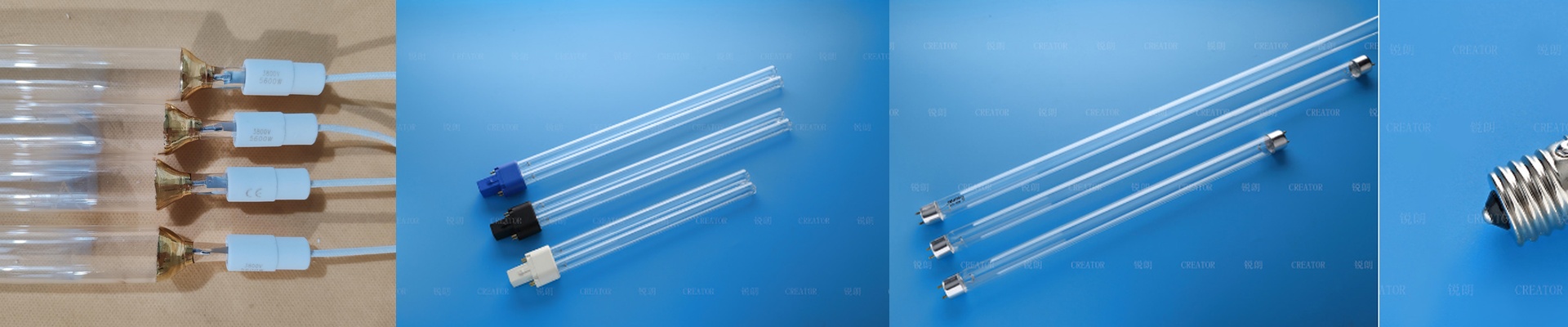
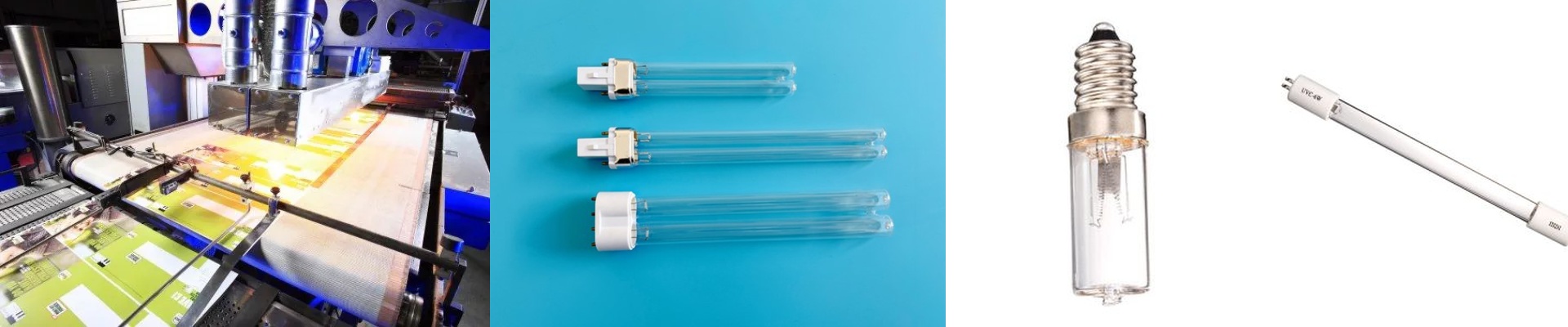
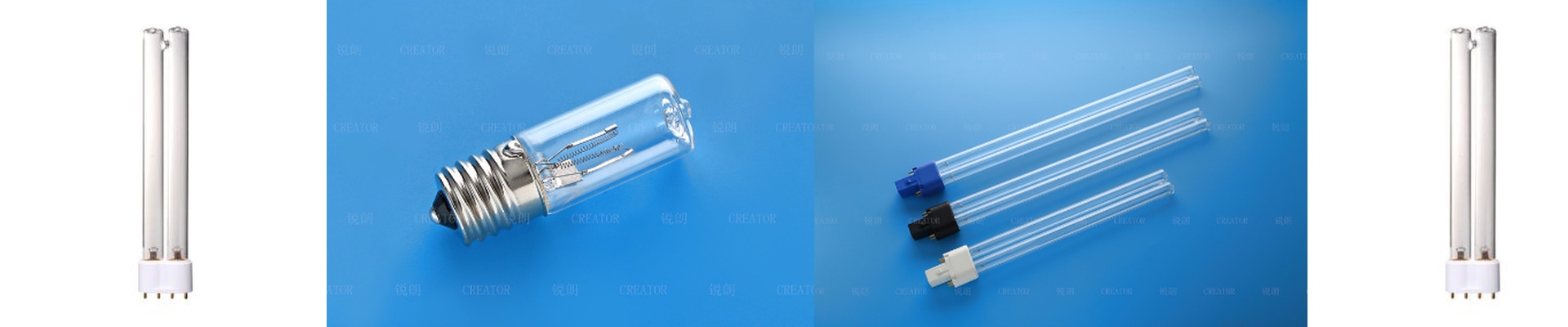
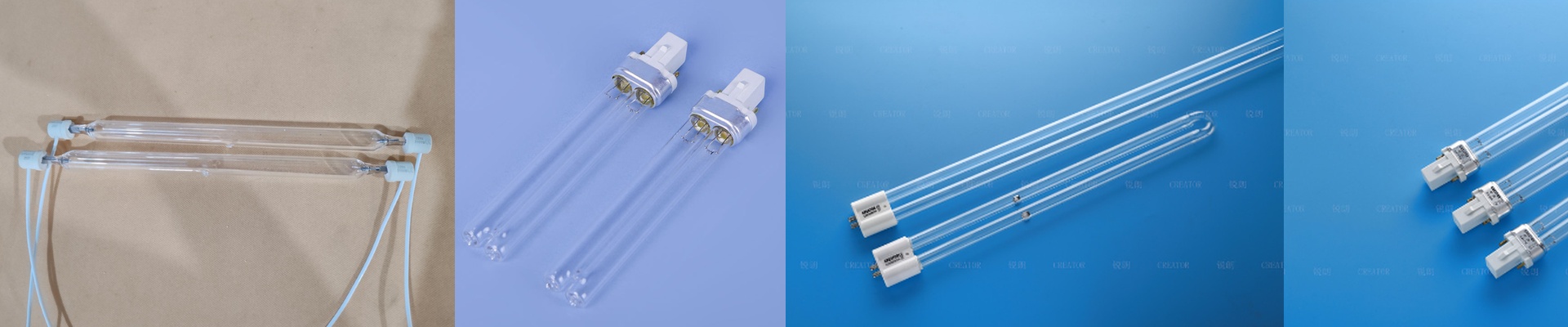
The Secret to Lightning-Fast UV
If you’ve ever run a big water treatment system, you know UV lamps don’t just sit there humming along. They’re constantly firing off rapid “flash” cycles—tens of thousands of them—just to keep everything dialed in. The bottleneck isn’t the light itself. It’s the electrode. Standard cathodes act like slow-motion sponges. They soak up heat and then let it go… eventually. That lag is what kills your ability to jump to full power the second you need it. So we rebuilt the cathode from the ground up. We gave itnear-zero thermal inertia, which is just a fancy way of saying it heats up and cools down in the blink of an eye. The payoff? Instant start-up, instant shut-down, and the stamina to handle hundreds of thousands of rapid on/off cycles without the electrode giving up the ghost.
The Heart of the Matter: A Cathode That Won’t Quit
Reliability here isn’t luck—it’s engineering. We focused on two things: what the cathode is made of, and the shape it takes. We used an advanced emission material and designed a geometry that keeps the mass low while opening up the surface area. The result? Less thermal stress on every single cycle. But it’s about more than just surviving one flash. It’s about enduring the long haul. This anti-fatigue design stops the emission material from sputtering away or cracking under the repeated shock. What you end up with is a lamp that delivers steady, consistent UV output over its whole life—even when your control system is demanding rapid-fire switching.
The Trade-off: Speed Over Sustained Power
For the engineers on the plant floor, this design gives you something precious: control. You can pulse the UV output to match the flow rate or zero in on specific microorganisms without waiting around for a traditional lamp to catch up. It’s precise. It’s responsive. But here’s the catch. This low thermal mass is built for switching, not for running at maximum power non-stop. It’s all about dynamic response. So you need to make sure your power supply is matched to that rapid switching protocol. Think of this lamp as a high-cycle component, not a static heater. Give it the cycling it craves, and it’ll give you the responsiveness you need.