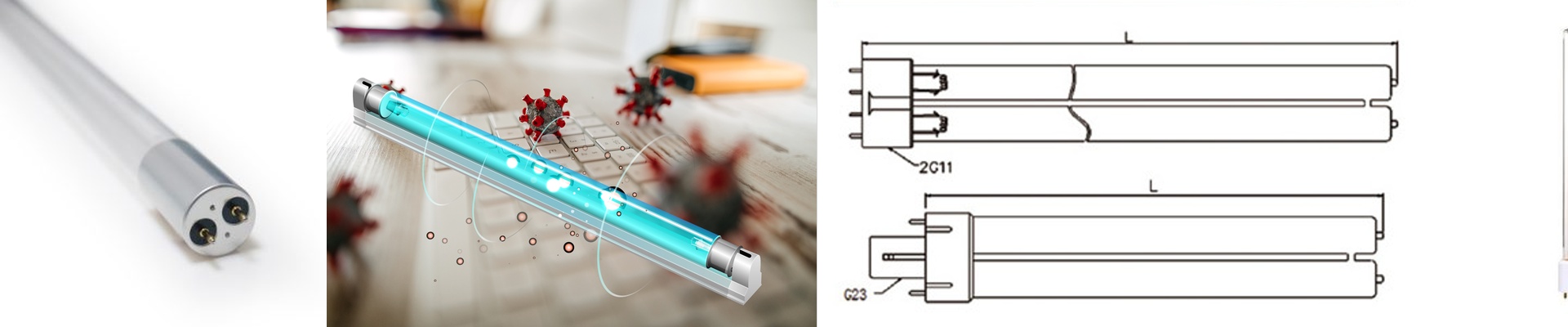
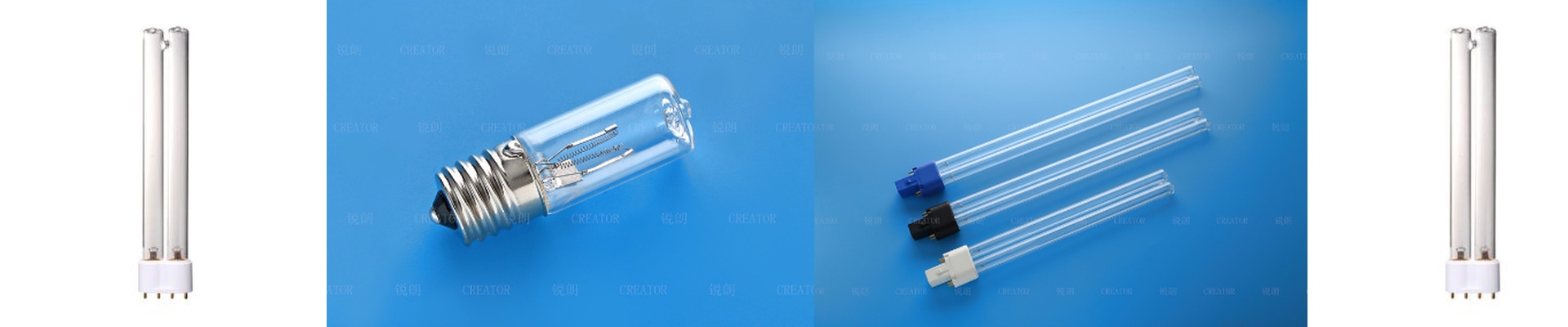
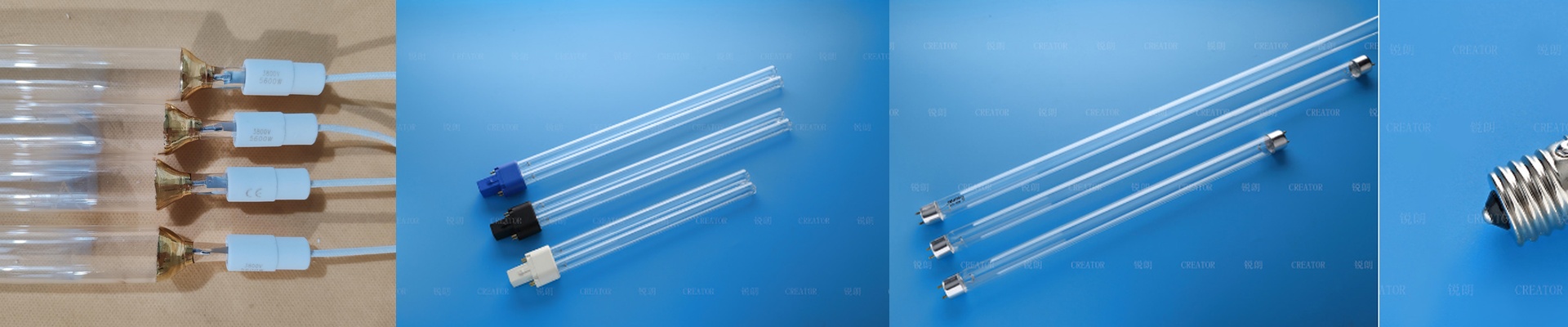
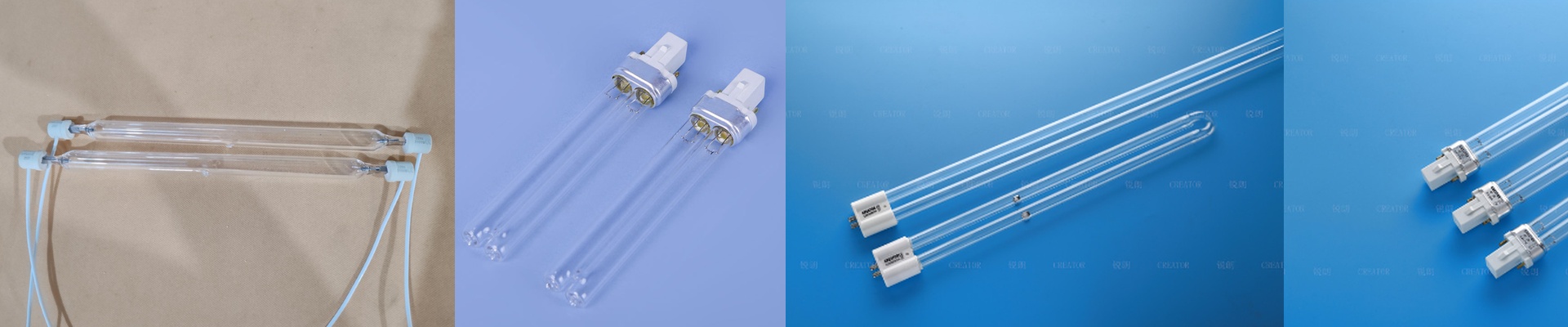
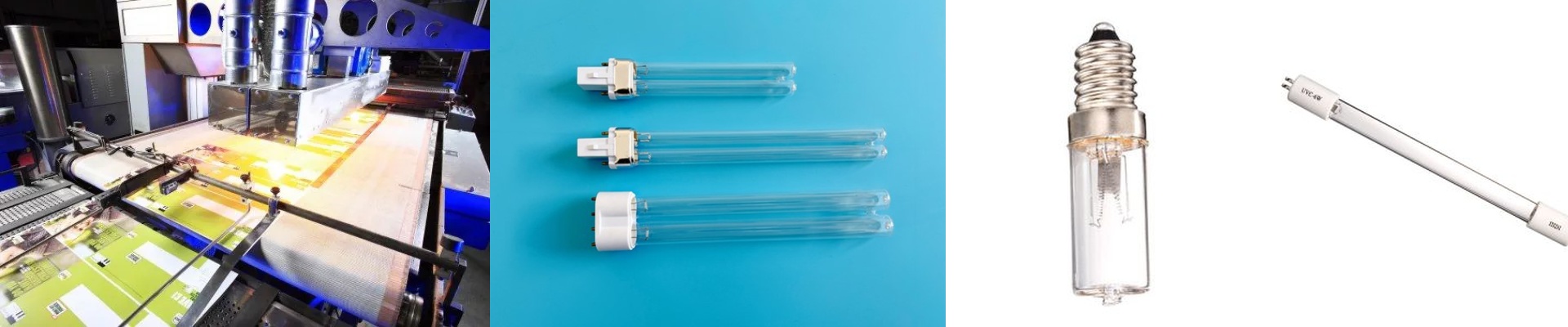
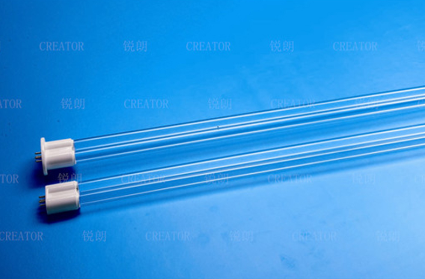
On the floor, downtime isn’t a metric—it’s margin walking out the door. And if the sterilization dose isn’t right, the whole line stops. So we’re not just talking about UV light. We’re talking about delivering a dose you can count on, cycle after cycle, for medical-grade disinfection. That’s exactly why we built the CE-certified Aqua Ultraviolet lamp bulb. What matters, technically Medical disinfection comes down to spectral purity and stable output. The Aqua lamp is tuned to a 254nm UVC peak, the wavelength microbial DNA absorbs most strongly. Forget broad-spectrum—this is about a narrow, high-intensity emission profile. We hold tight tolerances on mercury vapor pressure, because that directly controls spectral line width. The payoff is a stable dose—measured in mJ/cm²—that hits your log-reduction targets without drift. The quartz envelope is ozone-free, and the integrated dichroic reflector focuses energy on the target. Less scatter. More usable intensity. Why it holds up in production In medical manufacturing, validation doesn’t forgive inconsistency. The Aqua lamp holds consistent peak irradiance across its rated life, so your SOP stays valid from the first run to the last. Spectral purity cuts energy waste, which translates into lower power draw per unit processed. Fewer microwatt fluctuations mean fewer failed validation runs, shorter cycle times, and lamp replacement you can plan for. You get a repeatable process, not a roll of the dice. Here are the practical details Installation comes down to matching the ballast and ignitor in your specific fixture. The lamp is optimized for constant-current power supplies. If the driver is mismatched, you’ll shorten lamp life and distort the spectral output. Check connector type and overall length against your socket. And keep airflow across the fixture. If operating temperature drifts outside the specified range, mercury vapor pressure shifts, the spectral peak degrades, and effective dose drops. Match the lamp to the system, and the performance stays honest.