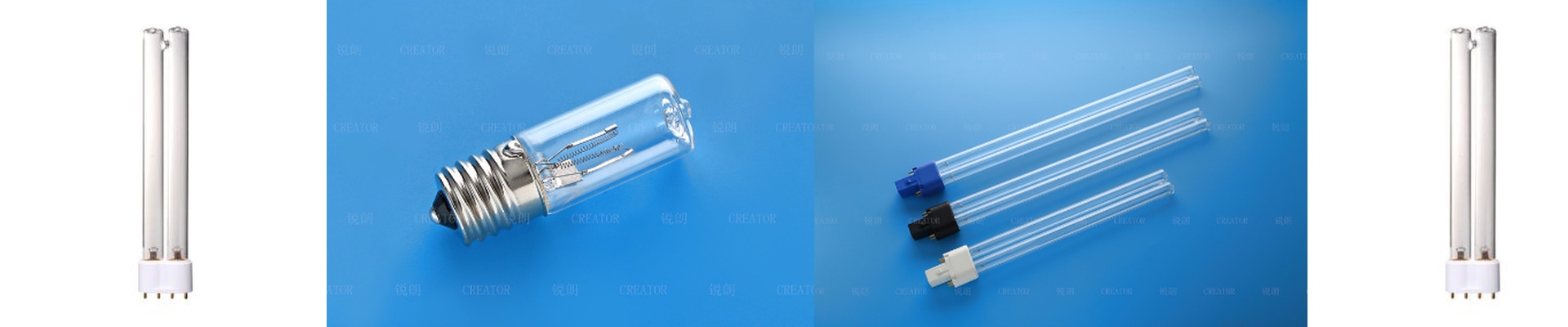
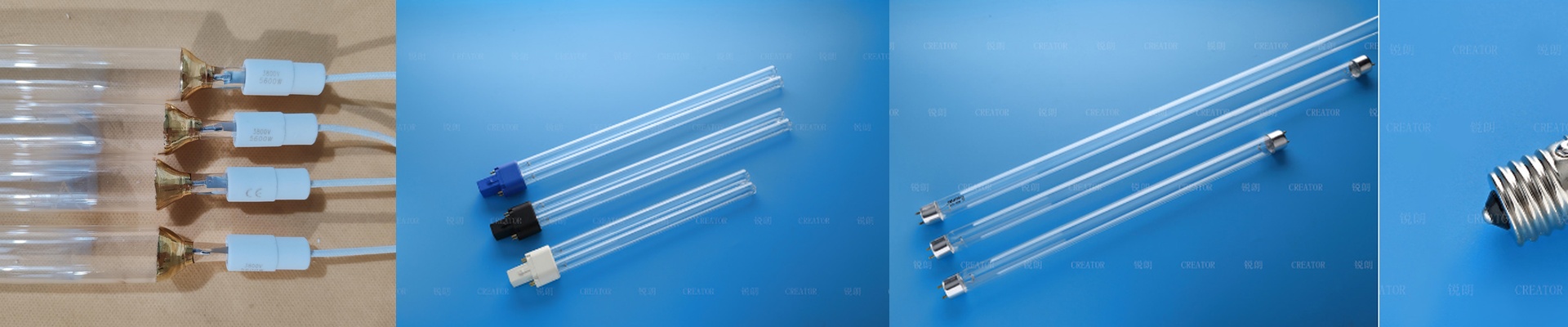
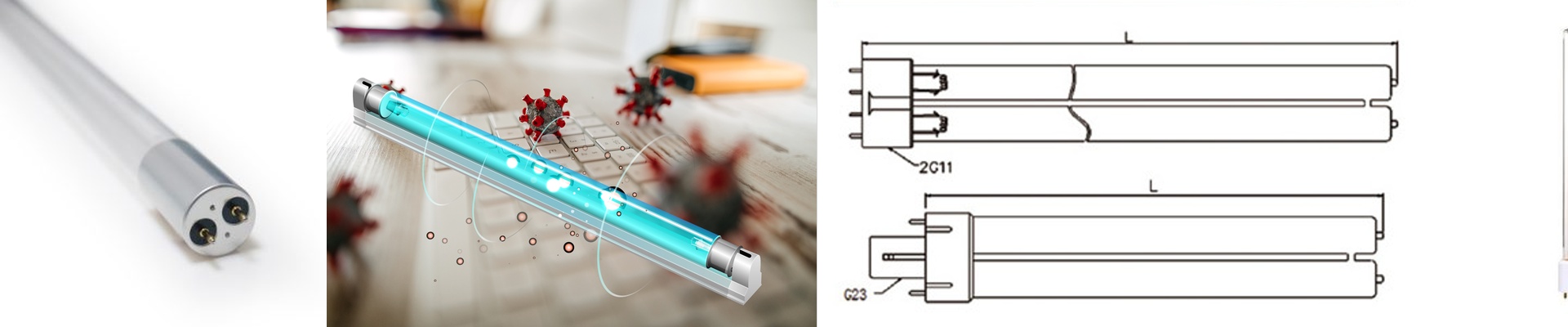
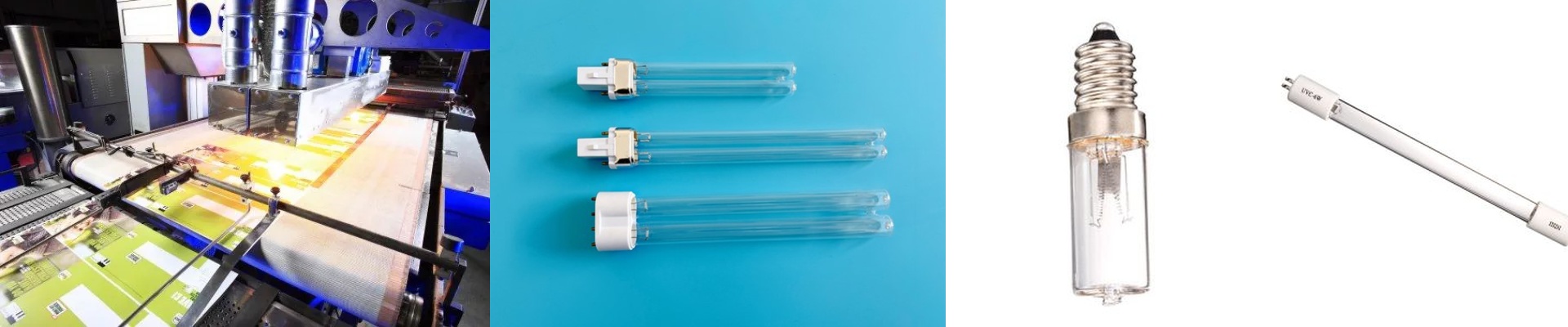
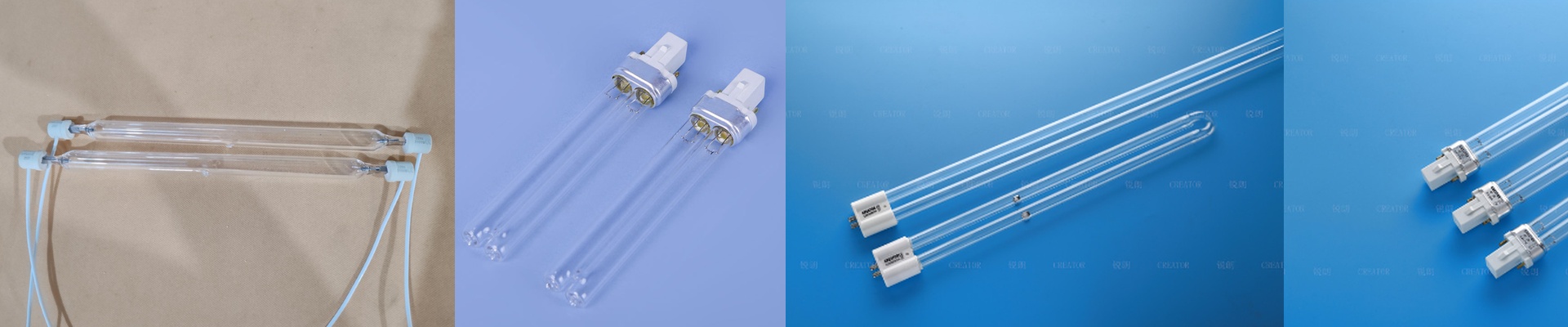
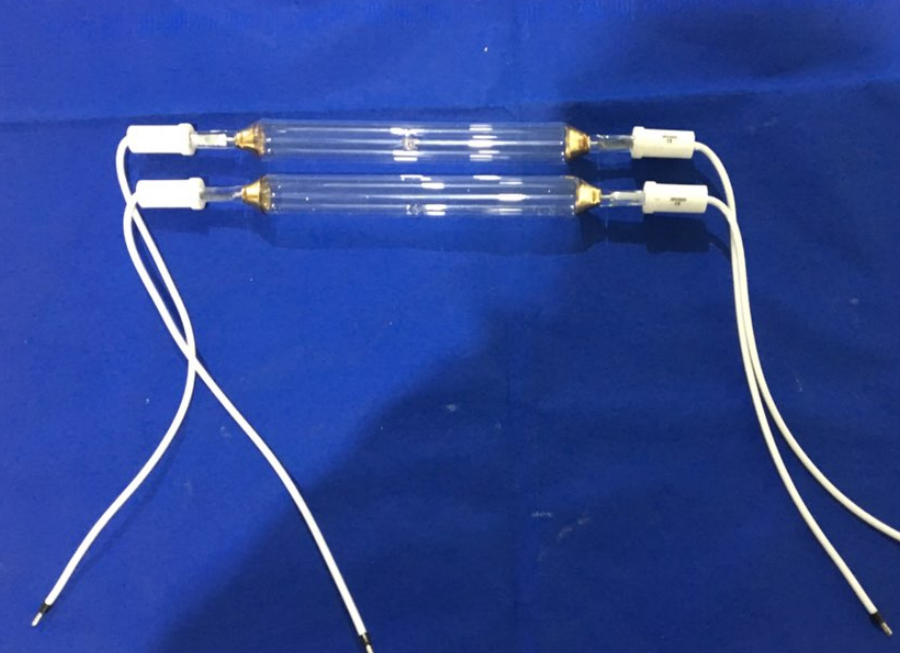
Thick-layer screen printing and additive manufacturing don’t forgive shallow cure. If the energy doesn’t get through the full depth, you’re left with under-cured, tacky prints that move and warp after the job. This isn’t just an ink problem. It’s about photons. The UV lamp has to push enough spectral flux through the layer so the photoinitiators fire off evenly, top to bottom. What matters, technically We build the lamp around spectral output and peak irradiance at the wavelengths that matter—365nm and 395nm—where photopolymers actually absorb. A high-purity quartz tube, paired with a precision dichroic reflector, puts the energy where you need it: forward, onto the substrate. The measured dose lands above the photopolymer’s threshold for full conversion, even past 10mm depth. And the output stays stable across the lamp’s 5,000-hour life, with spectral degradation held under 5%. Why does this work in the real world? Because penetration solves the through-cure deficit in thick builds. The lamp profile makes sure the bottom of the deposited layer sees the same curing energy as the top. That kills post-cure shrinkage and tightens up mechanical properties. Production speeds up because one pass cures the full profile. Energy per part drops, too, since the reflector efficiency focuses the output where it counts. A few shop-floor details to keep straight. System integration means matching the lamp’s arc length and spectral profile to the printer’s optics and line speed. The intensity is high enough that cooling has to be adequate to hold thermal stability. The lamp itself is ozone-free, but keep the reflector clean. A 10% drop in reflectivity directly cuts delivered energy density. And always confirm the spectral match between the lamp and the photoinitiator package you’re running.