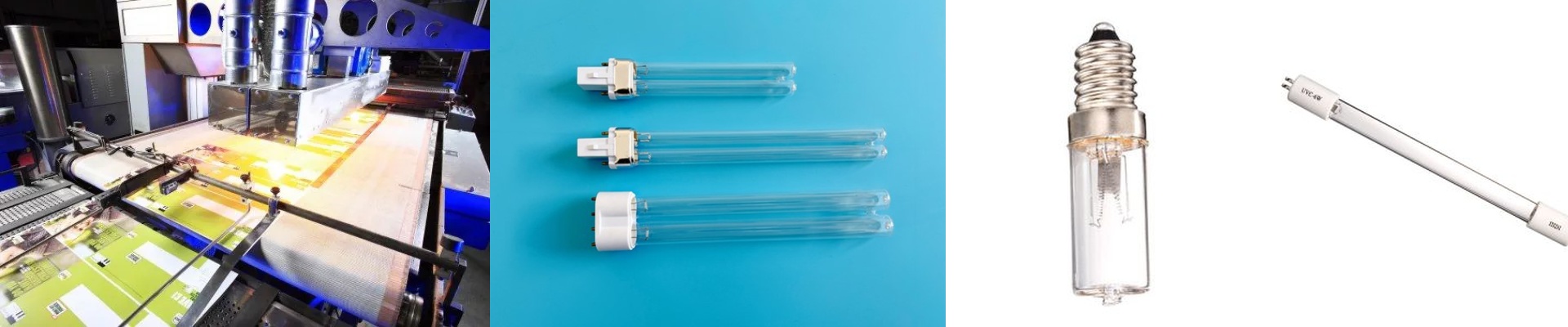
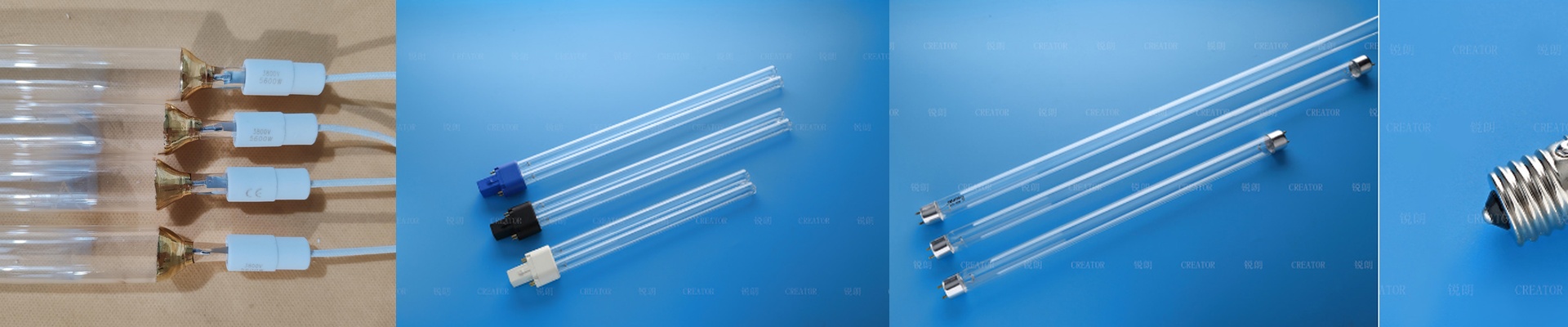
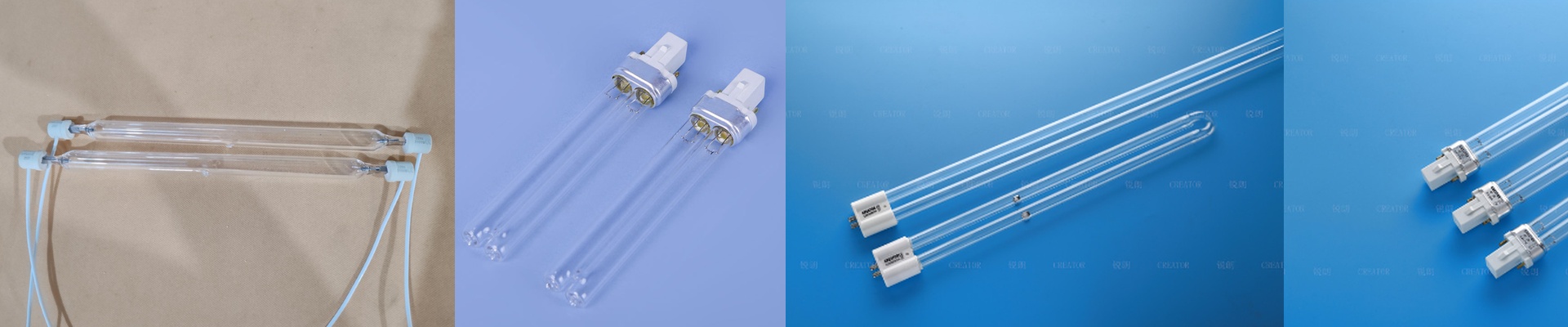
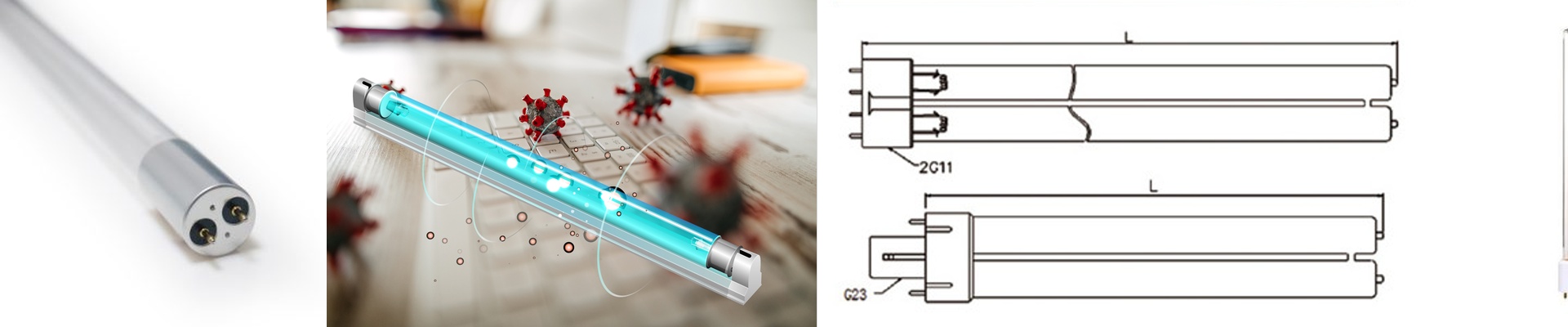
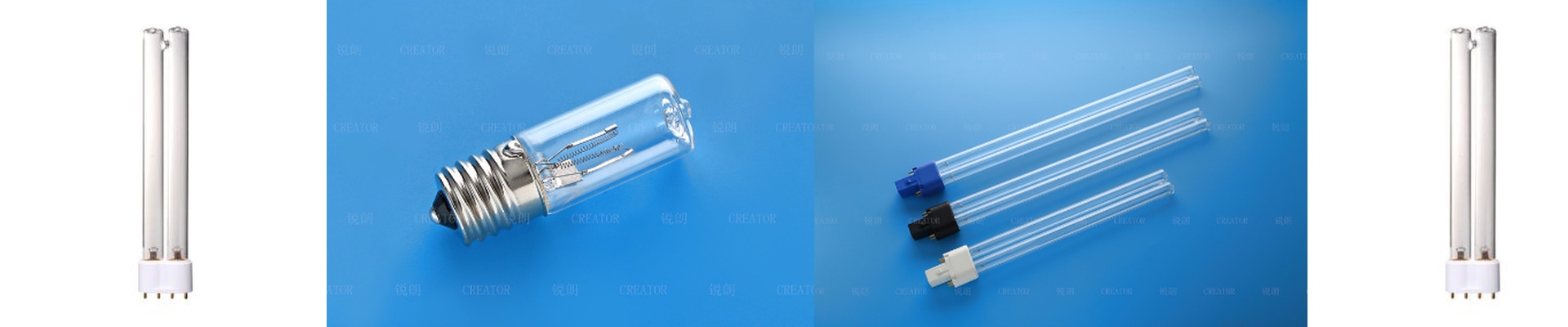
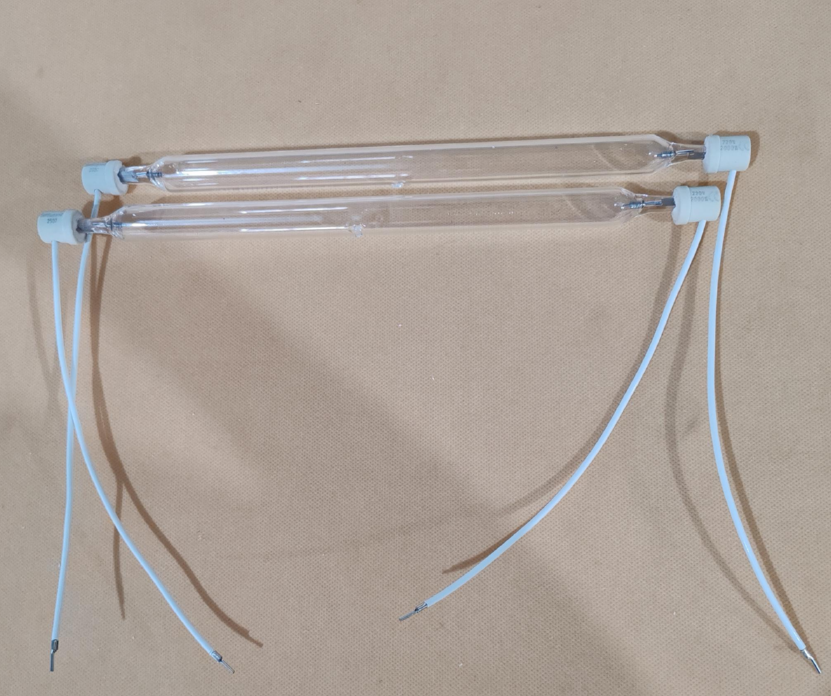
On a high-speed web line, 200 m/min isn’t a stretch goal—it’s the floor. If your UV rig can’t hold spectral output and peak irradiance across the full width, you’re asking for incomplete cross-linking, wet-stacking at the folder, and scrap piling up shift after shift. We built our mercury UV lamps to live at that pace. What actually matters under the hood We spec mercury vapor lamps with a broad UV spectrum centered at 365 nm, delivering the photon flux textile-grade UV inks and coatings need to kick off the photoinitiator fast. Peak irradiance is tuned to clear the through-cure threshold, even on pigmented layers, while the arc stays stable when line speed jumps around. The quartz envelope and reflector geometry are set to throw as much usable UV onto the substrate as possible and keep the long-wave heat from warping thin webs. Output stays steady across the full lamp life, with controlled degradation so your process window doesn’t drift. Why this plays in textile printing In continuous textile work, curing has to keep up with the press—not hold it up. These lamps hold the required energy density at 200 m/min, so curing never becomes the bottleneck. You get consistent cure across the width, fewer off-spec color shifts, and less waiting around for lamp warm-up. That translates to predictable output, less scrap, and less rework. What you need to get right Mercury lamps demand precise electrical matching and disciplined cooling. Expect a minimum warm-up window before the lamp hits rated output, and set up airflow so quartz temperature stays in its operating window. Offset, flexo, screen, or gravure—each press architecture needs the lamp housing, reflector dichroic profile, and power interface matched to the footprint and dwell time. Tell us your machine model and line speed, and we’ll configure the lamp and ballast package to fit.