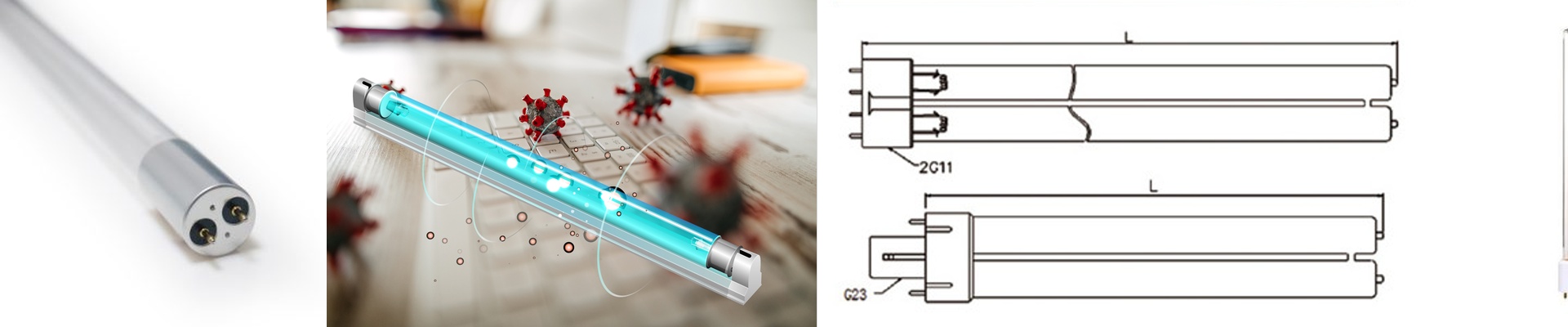
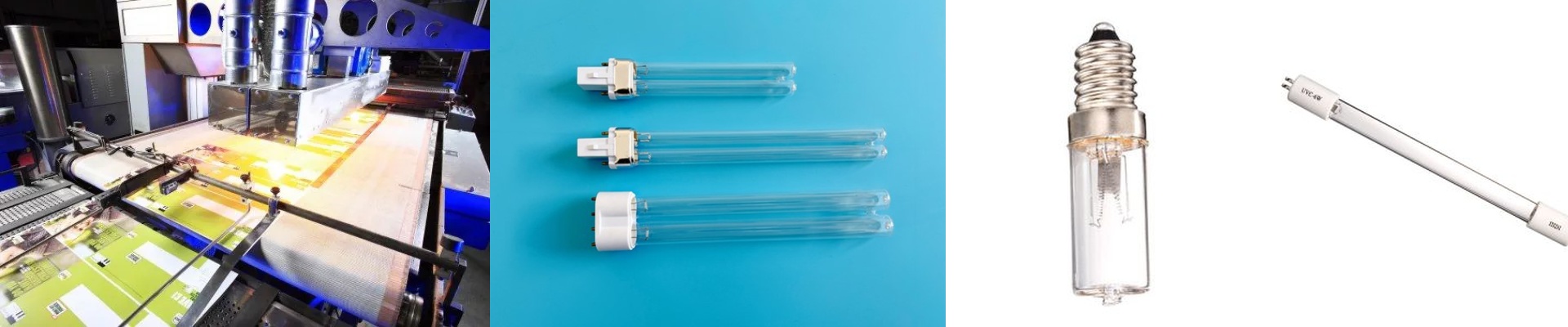
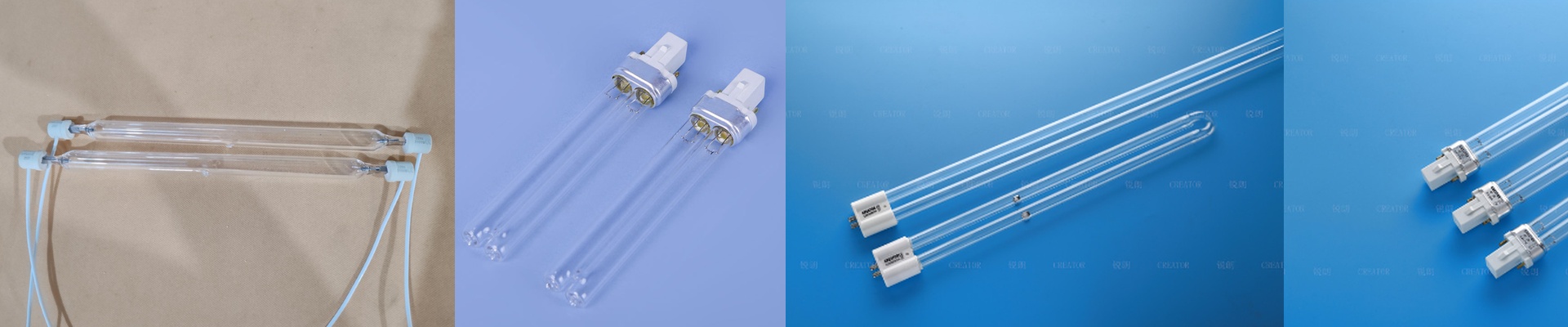
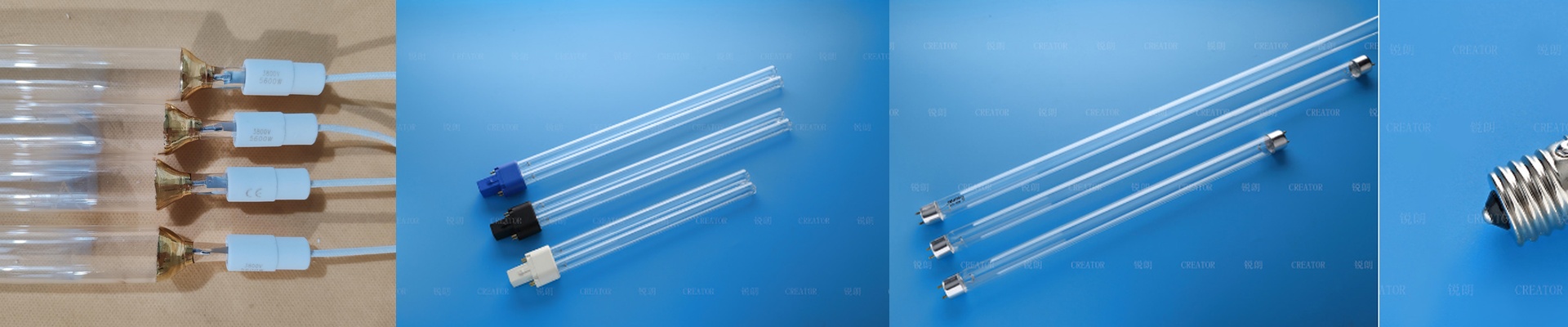
On the floor, heat is the quiet defect. You’re running heat-sensitive fabric—polyester blends, recycled knits, coated technical textiles—and the print head is fast, the ink is dialed in, yet the substrate still distorts. The issue isn’t just the lamp; it’s the unmanaged infrared (IR) load that turns “curing” into “cooking.” When the fabric lifts, waves, or shrinks, you lose yield, and you lose time. We built a UV lamp cooling fan system to fix that distortion by treating heat as a controlled byproduct, not an inevitability. The point isn’t just to cure ink. It’s to cure ink while keeping substrate temperature inside a window where the material stays dimensionally stable. That means two disciplines at once: spectral control from the lamp side, and thermal management from the air side.
Power, spectrum, and curing efficiency—what actually matters
A UV curing line comes down to energy delivery and spectral match. If your ink photoinitiators are tuned to 365 nm, you need stable output at 365 nm—not a broad blaze that dumps extra energy as heat. **UV output and spectral behavior.**In a high-pressure mercury vapor lamp, the dominant emission lines sit at 365 nm, 313 nm, and 395–405 nm, with substantial IR beyond 700 nm. For heat-sensitive textiles, we constrain the delivered spectrum by pairing a dichroic reflector with a selective filter approach: suppress IR while preserving the UV the ink needs. The result is a cold light source profile—high UV intensity with far less radiant heat hitting the substrate. **Peak irradiance and dose.**Curing is a photochemical reaction, not a thermal one. The lamp has to deliver enough peak irradiance (mW/cm²) at the cure plane so the ink surface hits the required energy density (mJ/cm²) within the dwell window. Under-dose leaves tack. Over-dose wastes energy and heats the substrate. The cooling fan system stabilizes that delivery by holding lamp junction temperature and reflector temperature within design limits, so output doesn’t droop during long runs. **Lamp power density and thermal stability.**We match lamp power density to the application—often 80–240 W/cm in industrial printing modules—then pair it with an airflow path sized to keep a repeatable operating envelope. The fan doesn’t replace the lamp’s internal thermal design; it completes it. Airflow maintains reflector temperature, protects lamp envelope integrity, and prevents the stack effect that otherwise pulls heat into the substrate path. **Cooling capacity and airflow.**Expect airflow rated in cubic meters per hour (m³/h) and static pressure matched to the lamp housing resistance. The system is tuned so the lamp runs at a stable thermal point, which stabilizes spectral output and lamp life. In practice, that means consistent cure from job start to job end—not a curve that drops as the lamp heats and the electronics throttle back. **Lifetime and output decay.**Mercury lamp output decays with operating hours. With controlled cooling, we slow the thermal runaway that accelerates end-of-life darkening and electrode stress. Units routinely run 5,000+ hours with less than 5% output drop when maintained within the specified airflow and temperature window.
Why this works on heat-sensitive fabrics: cold-light curing without distortion
Heat-sensitive fabrics fail at surprisingly low temperatures. When the substrate absorbs IR, it expands, softens, or distorts—especially across the print width where energy builds up. Traditional UV systems can cure the ink and still lose the print because the energy budget includes too much heat. We reduce the heat load at the substrate while keeping the UV dose the ink needs. **Spectral shaping for textile safety.**By suppressing long-wavelength IR and sustaining the UV output the photoinitiator requires, the substrate runs cooler even at high line speeds. You still get cross-linking; you just stop delivering the energy that drives dimensional change. **Forced convection that respects the cure zone.**The cooling fan system pulls heat away from the lamp, reflector, and housing before it radiates onto the fabric. Airflow is directed so it doesn’t create turbulence in the cure gap, keeping the UV intensity profile uniform across the web. Uniform irradiance means uniform cure—fewer pinholes, fewer adhesion issues, fewer rejects. **Expanding the process window.**With IR under control, you can run thinner, coated, or recycled fabrics that used to force you to slow the line. The practical payoff is throughput stability: you keep the speed the press is capable of, without trading away fabric flatness. **Energy and consumables.**Stable lamp temperature improves electrical efficiency and reduces the stress cycle that shortens lamps and reflectors. That means fewer replacements, less downtime, and more consistent spectral output over time—exactly what you need when color and gloss have to match roll after roll.
The realities: installation, compatibility, and what can bite you
This isn’t a bolt-on accessory. It’s an integrated thermal subsystem. **Integration footprint.**The cooling fan assembly has to match the lamp housing, the airflow path, and the machine’s exhaust strategy. If the ducting is undersized or the exhaust is underpowered, heat recirculates and the lamp runs hotter than designed. Output stability goes first. Lamp life follows. **Lamp and ink spectral match.**A cold-light profile only helps if it matches your ink’s photoinitiator window. If your ink cures primarily at 395–405 nm, you can still run a cold-light approach, but the spectral trade is different than with a 365 nm-dominant system. Align the lamp spectrum to the ink chemistry, then tune airflow to maintain thermal stability. **Noise and the shop floor.**Higher airflow improves cooling, but it raises acoustic output. In close-coupled printheads, that matters. We typically specify fans with decibel ratings and add housing baffling to cut turbulence noise, but you still need to plan for it in the machine enclosure. **Maintenance discipline.**In textile environments, filters and intakes collect lint fast. A clogged intake reduces airflow, and reduced airflow shifts the lamp’s operating temperature. Set scheduled cleaning intervals and monitor airflow as a preventive indicator. If your problem is fabric distortion under UV, the answer isn’t “more power.” It’s controlled spectrum, controlled temperature, and a cooling fan system engineered to keep both in range—so the ink cures, and the fabric stays flat.