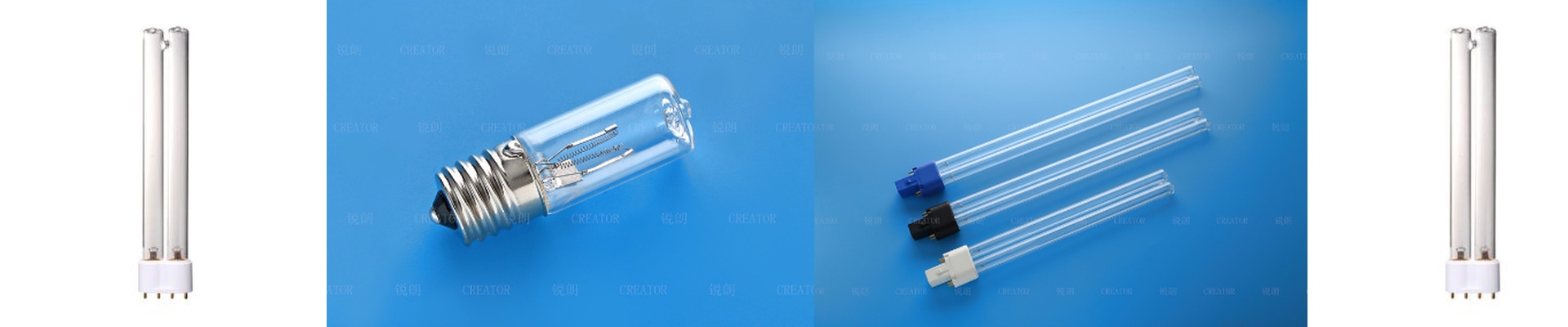
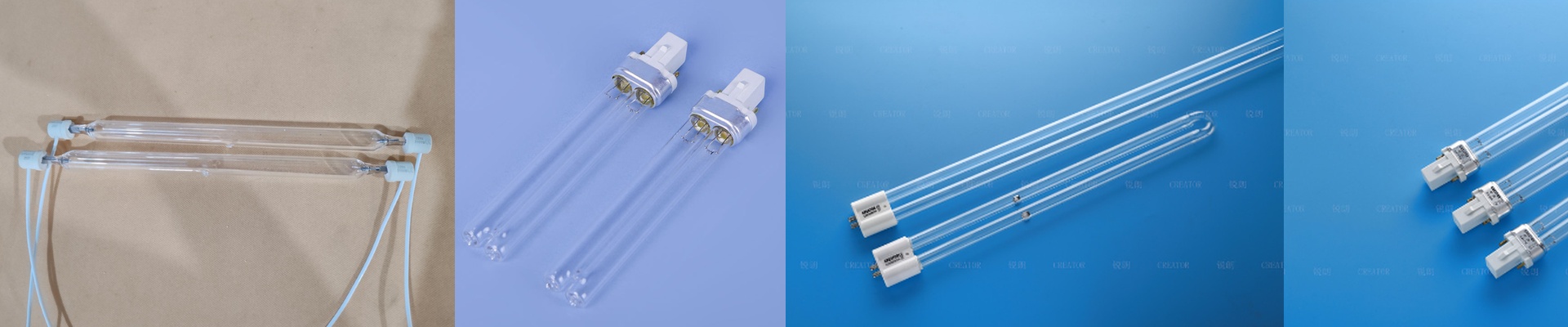
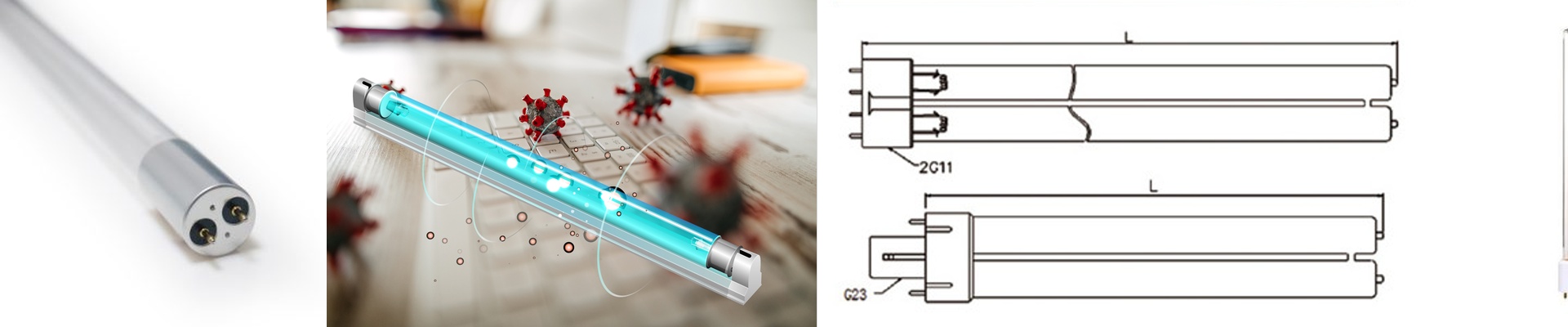
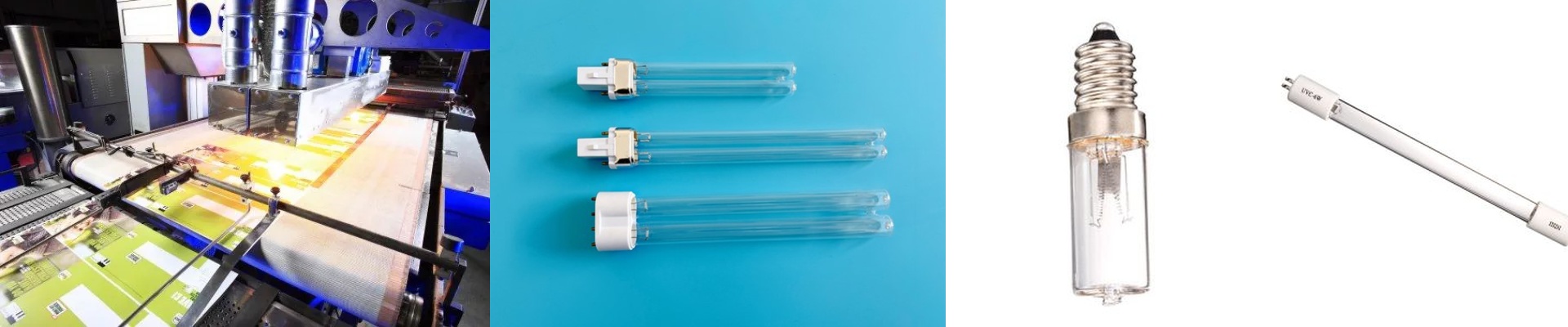
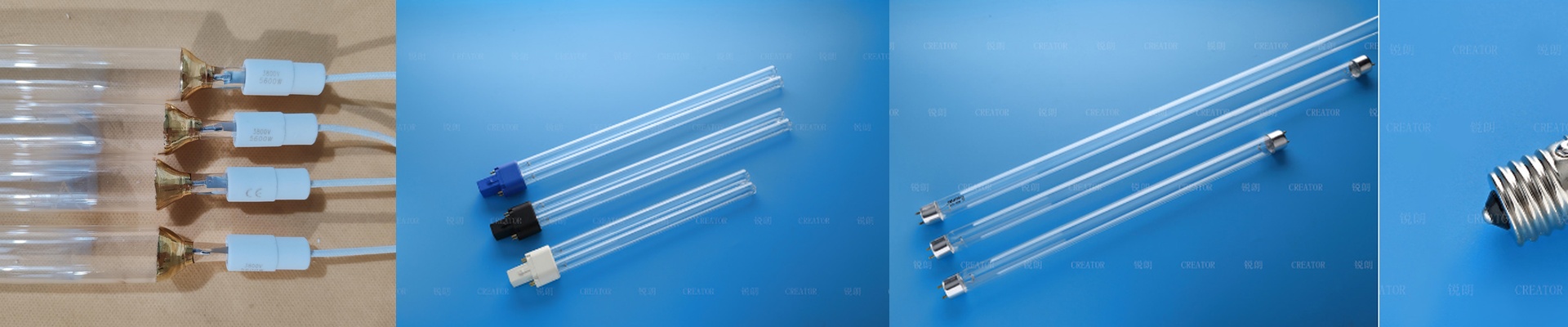
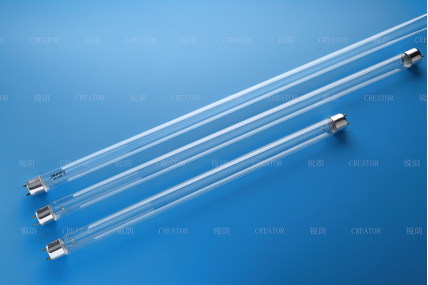
In any print shop, the UV curing system is where speed and quality find their balance. When the ink doesn’t cure evenly, you’re dealing with set-off, scuffing, and the kind of rework that quietly eats your margins. The 420nm gallium UV lamp gets you out of that bind by matching the absorption peak of the photoinitiators in offset, flexo, and screen inks. You get predictable cross-linking without cooking the substrate. What matters under the hood We build the lamp around a gallium-doped arc tube, so the spectral output is narrow and centered at 420nm. That wavelength homes in on photoinitiators in pigmented inks and clear coatings, while cutting down on excess short-wave UV that can make substrates yellow and generate ozone. Depending on reflector geometry, peak irradiance is tuned to 800–1200 mW/cm² at the focal plane. That delivers the energy density you need—typically 300–600 mJ/cm²—to fully cure in a single pass. The reflector uses a dichroic coating to bounce curing wavelengths back onto the substrate and let heat pass through, so efficiency is better and thin films warp less. Why it holds up on the floor Because we control the build end-to-end—quartz envelope purity, tungsten electrode geometry, the whole stack—we can keep the wholesale price tight without compromising performance. On offset presses, the lamp runs cool enough to protect plates and blankets, yet still cures thick ink films. On flexo and screen lines, the 420nm output penetrates pigments more uniformly, which cuts mottle and improves dot stability. The payoff is fewer stops to tweak, higher line speeds, and output that stays consistent shift after shift. The practical details Installation means matching the lamp to the machine’s reflector profile and ballast. Check mounting dimensions, arc length, and connector type before you swap out from a mercury system. Output declines over life, so plan replacements around the 2000–3000 hour window to keep the dose steady. If you’re running thick coatings, make sure the ink chemistry is tuned for 420nm photoinitiators; otherwise, you’ll fall short on cure depth.