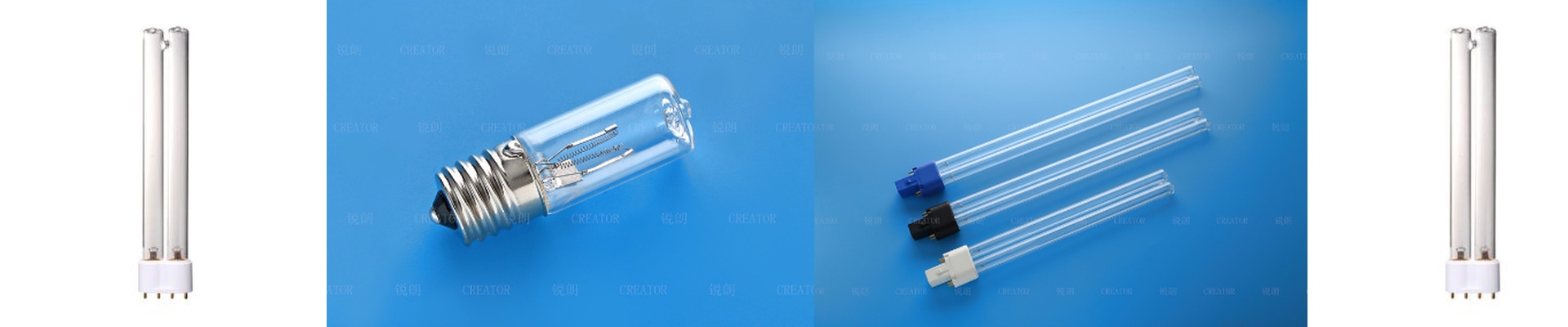
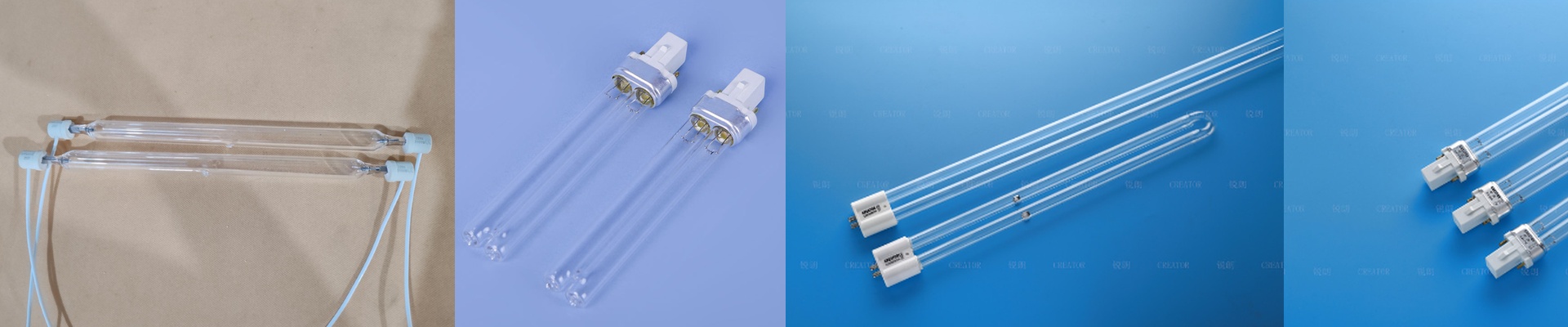
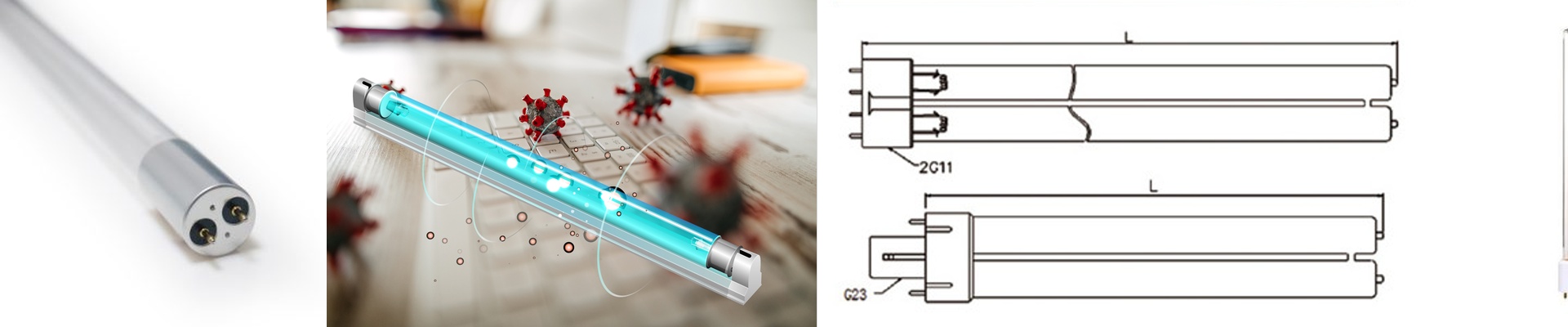
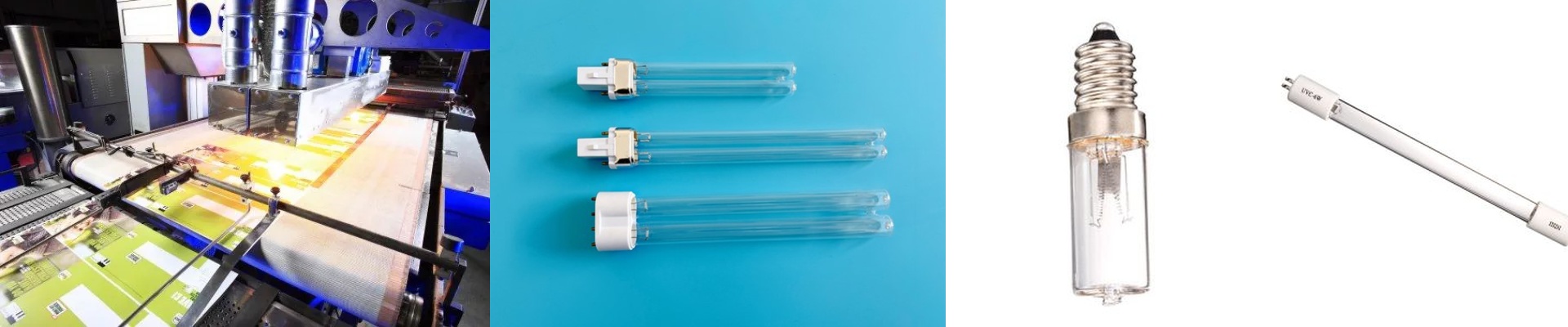
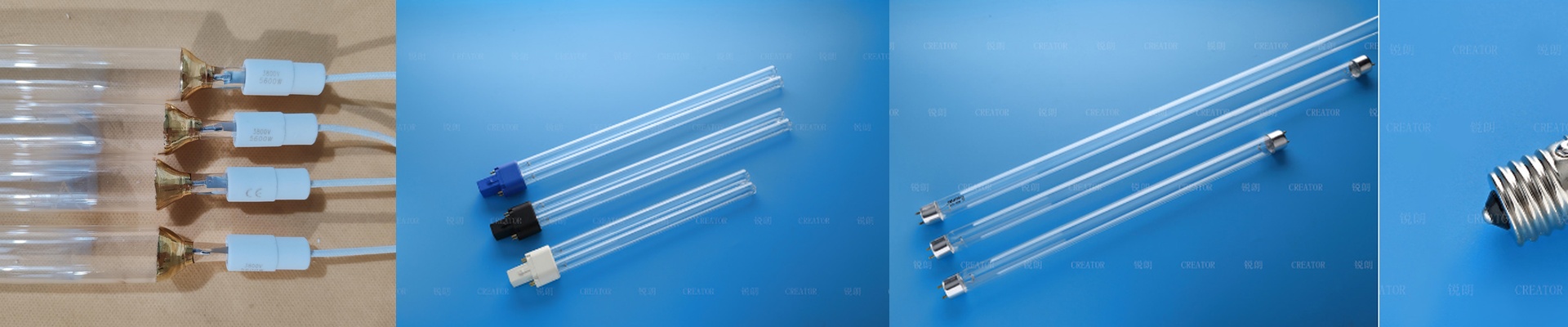
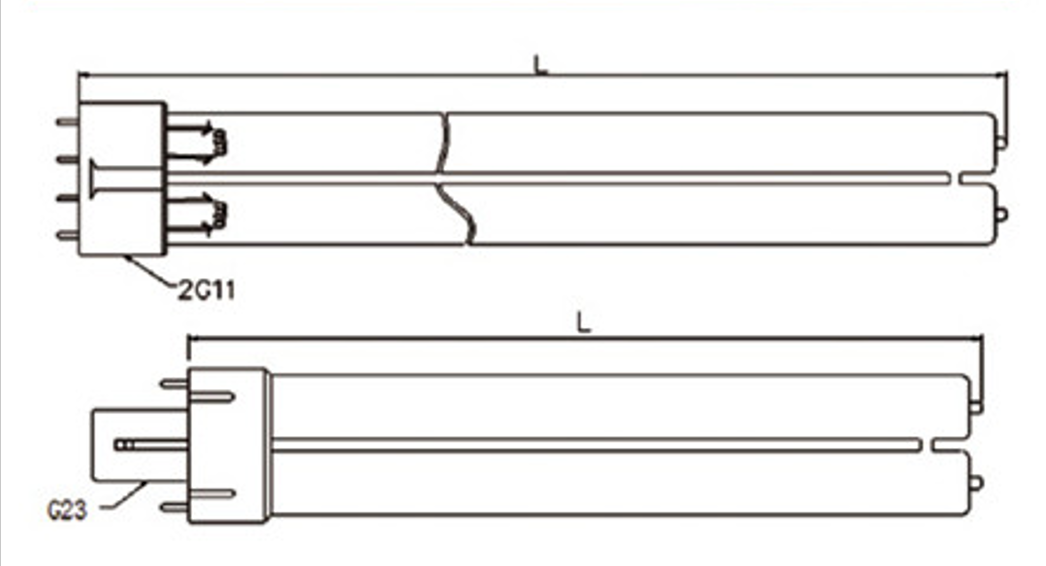
Out on the floor, heat-sensitive textiles don’t get a second chance. Conventional UV lamps dump infrared heat that warps fabric before the ink even cross-links, and you’re left with scrap and rework. We built our floor-mounted UV curing lamp as a true cold-source system—engineered to cure without loading the substrate with heat. What matters under the hood It’s a tailored mercury vapor discharge, with spectral output concentrated at 365nm and 385nm, matched to the photoinitiators in UV inks. Peak irradiance hits 12,000 mW/cm², delivering a dose above 800 mJ/cm² at line speeds up to 120 m/min. The dichroic-coated reflector shapes a uniform profile—less than ±8% variation across the print width—so cross-linking stays consistent edge to edge. Instant on/off removes warm-up and standby losses, and the ozone-free design keeps the air around the press clean. Here’s why it holds up in real production. The cold-source approach keeps substrate temperature under 45°C, so heat-sensitive textiles keep their dimensions while the ink cures. You get instant cure on contact, with enough penetration to drive complete cross-linking through the print layer. The payoff: crisp dot reproduction, strong adhesion, and no blocking or set-off. Energy use drops because the lamp only runs when the press runs, and lamp life stays steady at 5,000+ hours with less than 5% output decay. A few shop-floor details Installation needs a dedicated 240V line and verified grounding. It will integrate with most floor-mounted curing modules, but the match comes down to reflector geometry and lamp-to-substrate distance. Keep the working gap at 150–200 mm to hit your dose and temperature targets. Plan on regular reflector cleaning and quarterly output checks with a spectral radiometer. Consistent dose is the only way to keep cure quality stable, shift after shift.