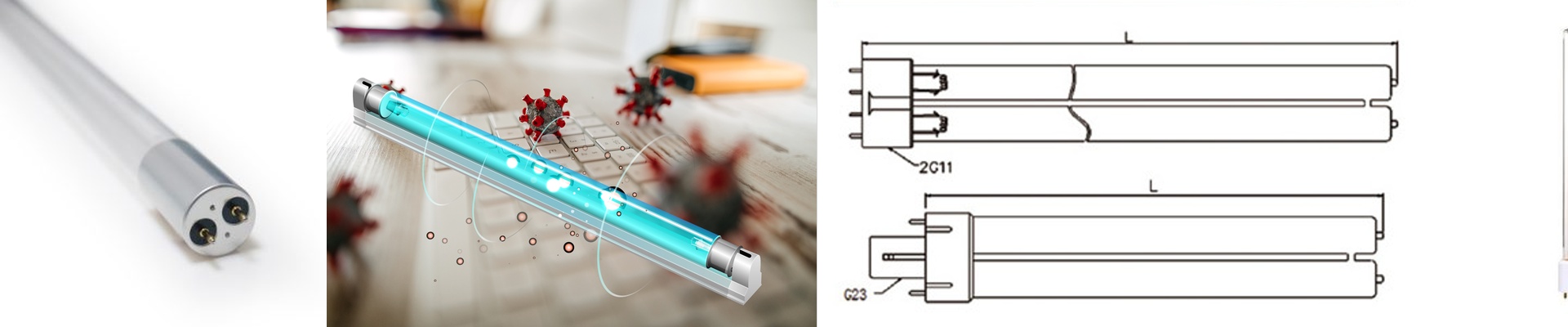
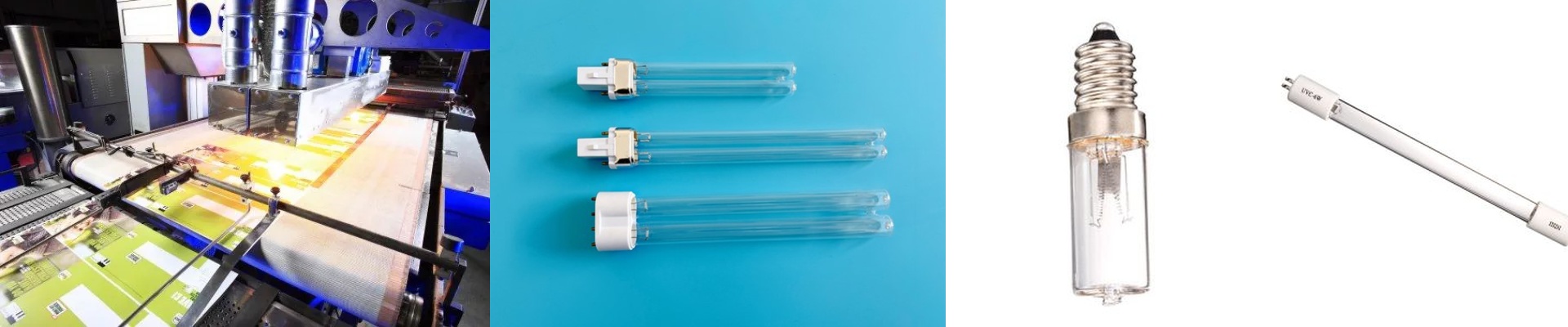
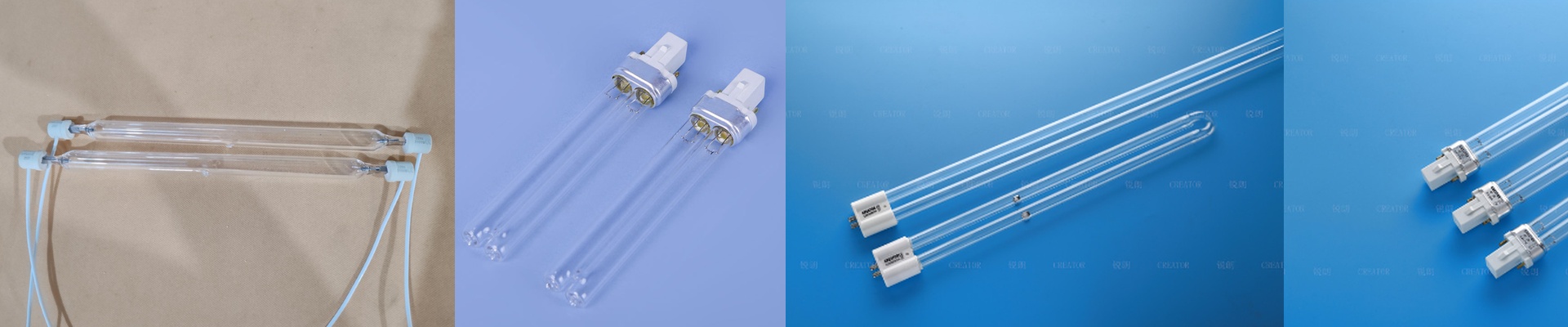
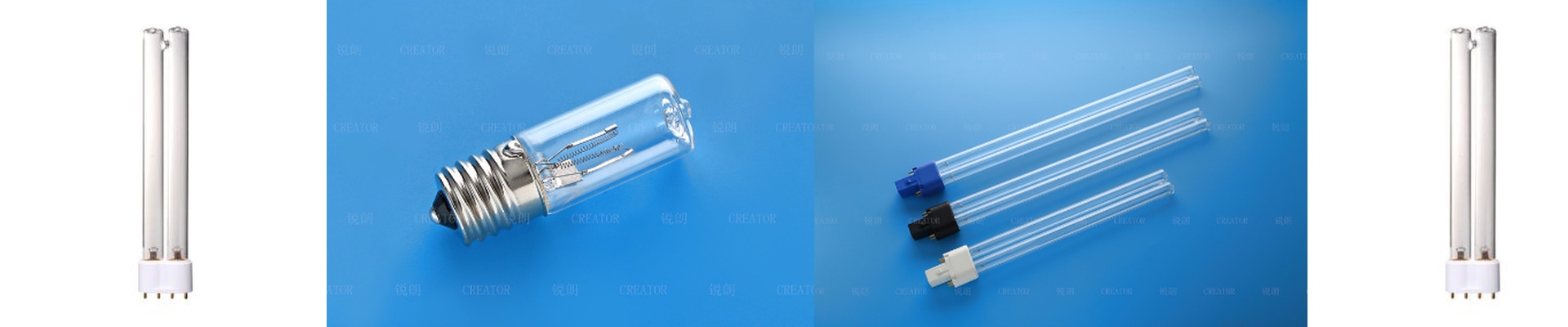
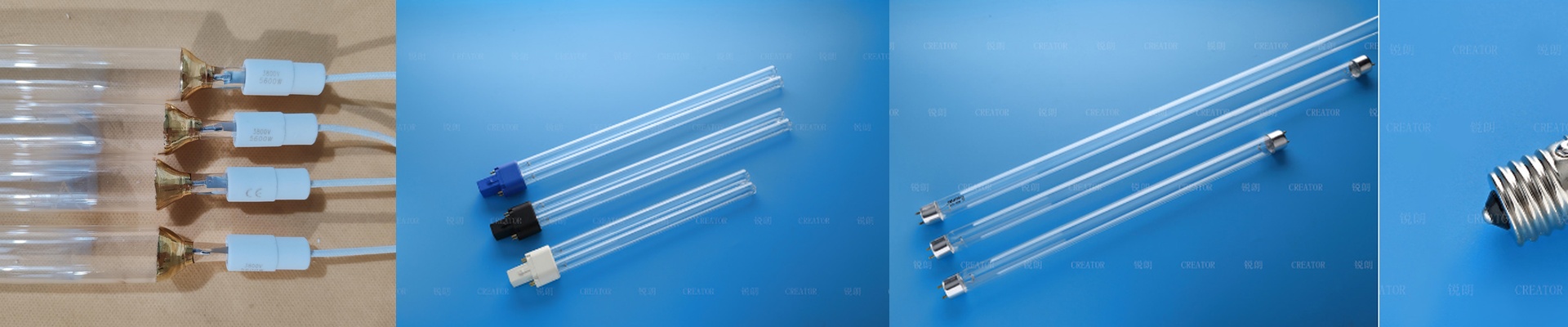
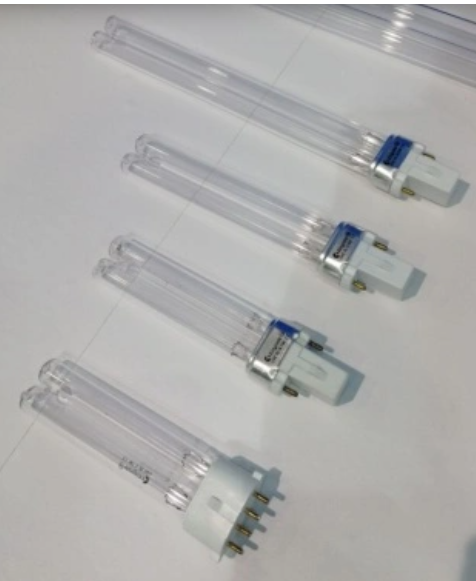
On the press floor, UV curing isn’t guesswork. It comes down to spectral output and energy density. When you spec a custom UV lamp—tuned for UVA, UVB, or UVC bands—you’re balancing the mercury vapor blend and dopant ratio to hit specific wavelengths. And if you’re not running a calibrated UV intensity meter, you can’t prove the lamp is delivering the intended spectral profile or the peak irradiance the substrate actually sees. What matters is measurement you can repeat: irradiance (mW/cm²), energy density (mJ/cm²), and the spectral distribution. A proper UV intensity meter for lamp testing should cover UVA (315–400 nm), UVB (280–315 nm), and UVC (100–280 nm), with sensor heads matched to the lamp’s emission band. Mercury vapor lamps tend to throw dominant peaks around 365 nm, 254 nm, and 185 nm—so the meter needs to resolve those lines, not just spit out total intensity. Temperature matters, too. UV output drifts with arc temperature, and reflector efficiency falls off as oxidation and coating degradation set in. That’s why you need temperature compensation. Here’s the point: spectral customization only works if lamp output stays stable. Get the dopant ratio wrong, and photoinitiator response shifts. Cross-linking gets inconsistent, and the failures show up as adhesion loss or residual tack. Run a lamp test with a UV intensity meter, and you can set acceptance thresholds for peak irradiance and energy density, then track how the lamp degrades over its life. That’s what keeps cure windows in spec, cuts unplanned stops, and keeps you from over-driving lamps to make up for losses you never measured. A few shop-floor details to keep straight: match the sensor head to the band and the power density. High-pressure mercury lamps can swamp low-range heads, while low-pressure and LED-UV sources need the sensitivity where they live. Geometry matters—lock down positioning, and document distance, reflector condition, and the state of the quartz tube. Calibration drift happens. Schedule traceable recalibration, and store baseline data per lamp type, press speed, and ink system.