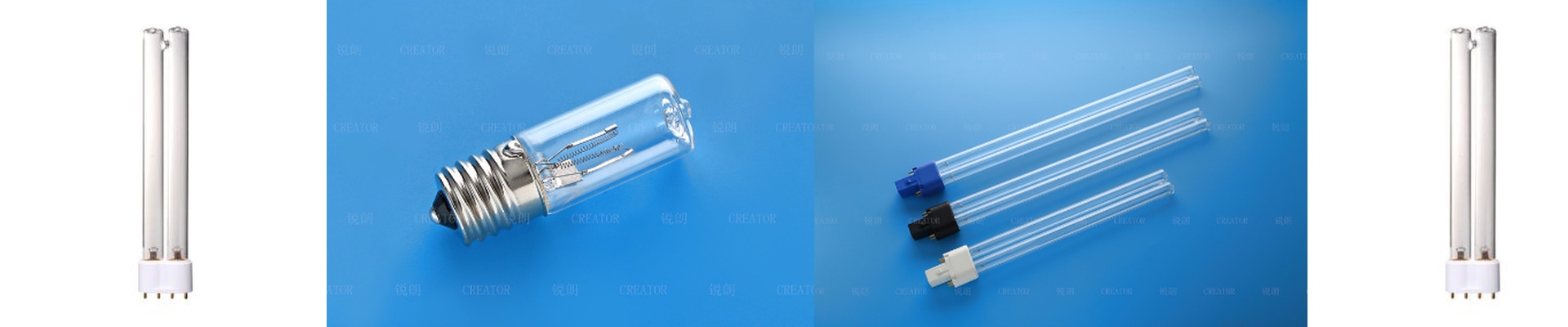
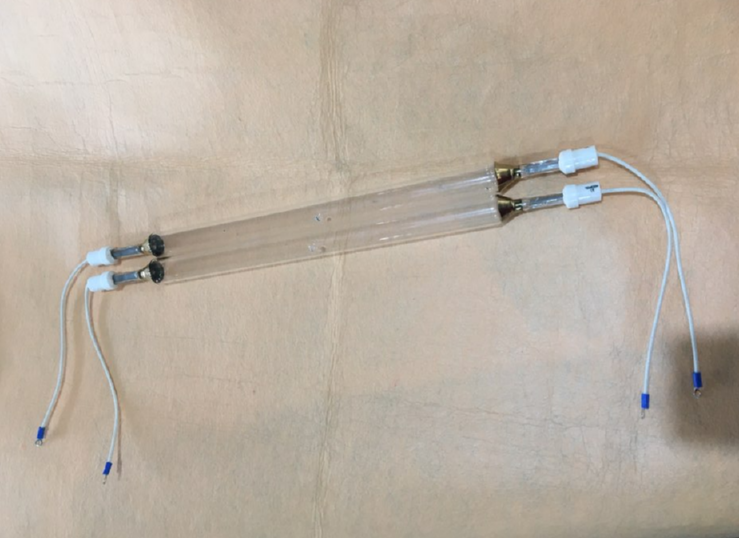
On a flexo press, you can have a label that looks crisp from ten feet away and still fail QC because the ink didn’t set cleanly right where it hit the substrate. Blur, halos, and trapping problems almost always trace back to the cure—when lamp output drifts, the delivered energy isn’t consistent, and the photoinitiator response starts to behave unpredictably. When the UV dose isn’t stable, the ink can feel dry on top while the layer underneath stays under-cured. That’s when you start seeing edge spread and color shift.
What matters, technically
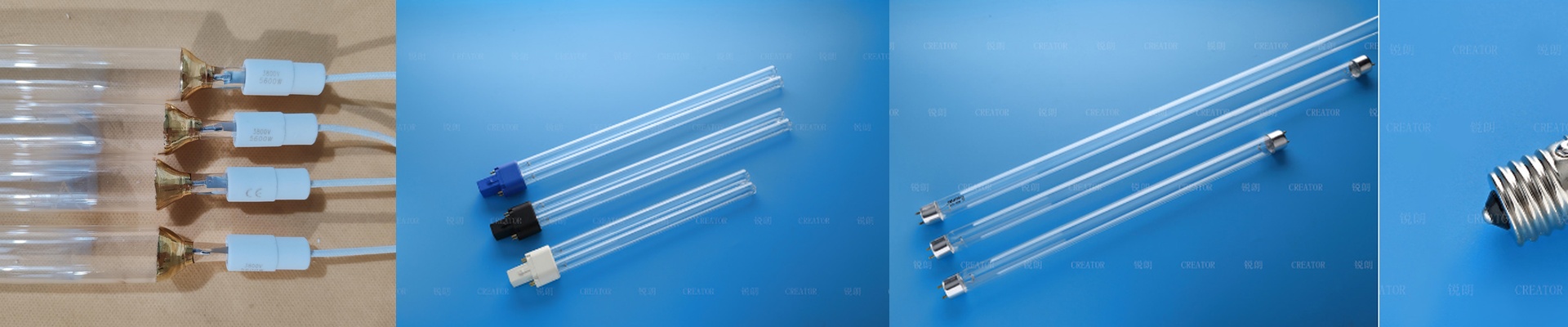
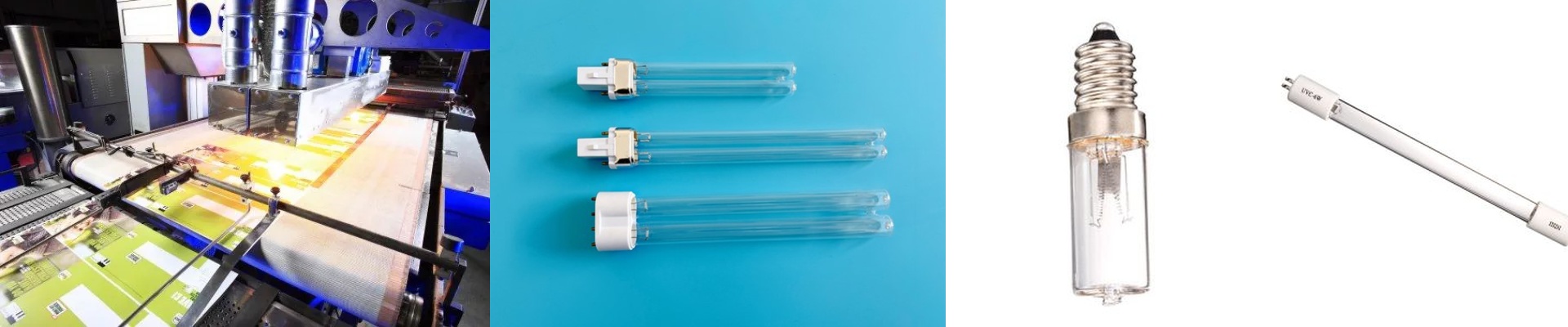
A 365nm UV mercury vapor lamp sits right in the absorption band where many label ink photoinitiators are most efficient. That wavelength gives you deeper penetration into thicker ink films, so you get cross-linking through the full layer—not just a skin cure on top. Stability comes down to a controlled arc, a reflector system with tight dichroic control, and holding the junction temperature steady. Measured at the web, the system keeps peak irradiance within a narrow band, so the energy density you deliver is repeatable job after job. That repeatability is what keeps you from under-curing (tack and migration) and from over-curing (brittleness and adhesion loss).
Why it fits flexo label work
In flexo label printing, you need instant fixation to lock the image down right after impression, then a full cure to hold color and dot integrity. A stable 365nm output gives you that immediate surface set plus deeper through-cure, so the ink stops flowing at the print nip and dot edges stay clean. You can run faster without chasing cure-related waste, and color stays consistent across shifts because the lamp’s spectral output isn’t swinging with temperature or line voltage. The payoff is fewer rejects, less rework, and press behavior you can count on.
The practical details
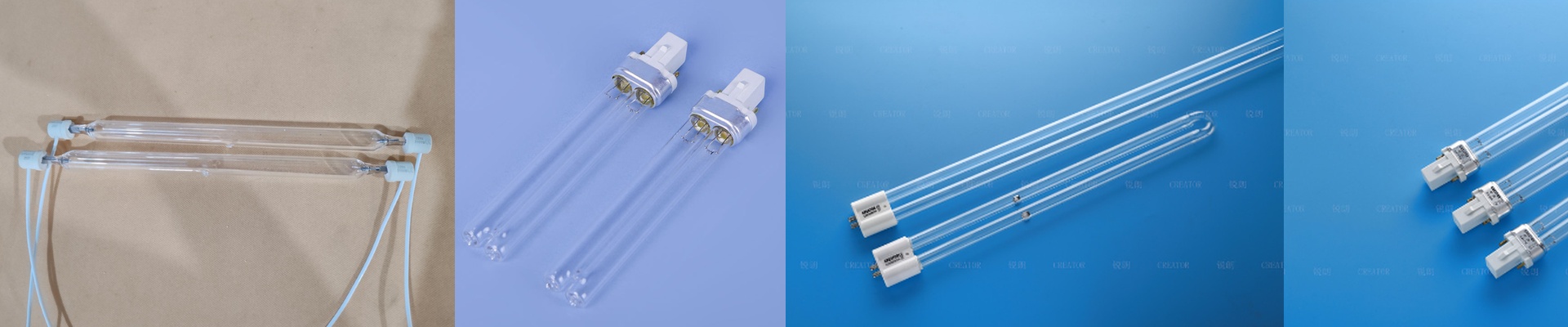
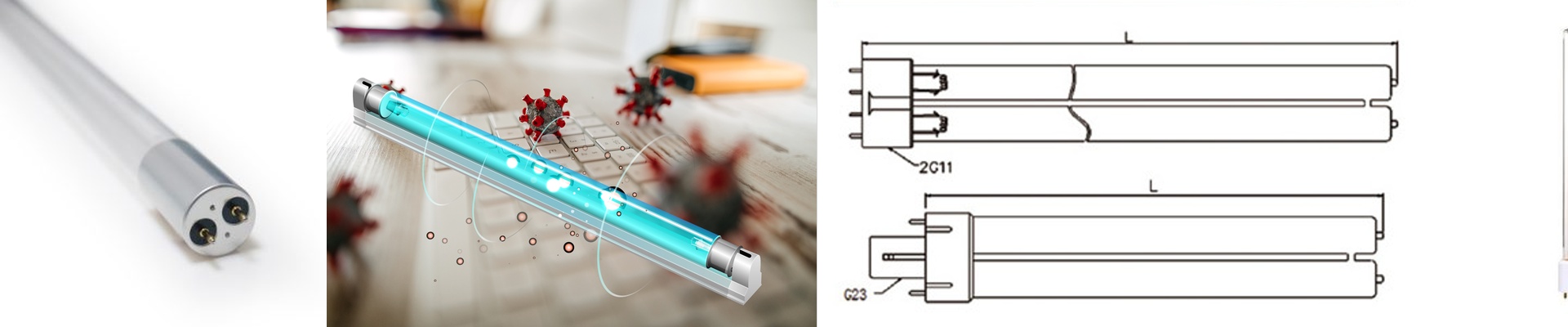
Matching the lamp to the curing zone isn’t optional. Reflector geometry, focal distance, and airflow have to line up with the web path and the ink film thickness—otherwise dose uniformity drops across the width. Expect an initial warm-up to hit stable output, and keep the optics clean. Dust on the reflector can cut effective irradiance more than you can make up for by simply dialing up power. Also confirm compatibility with your existing UV system, and check ozone management requirements for the lamp housing.