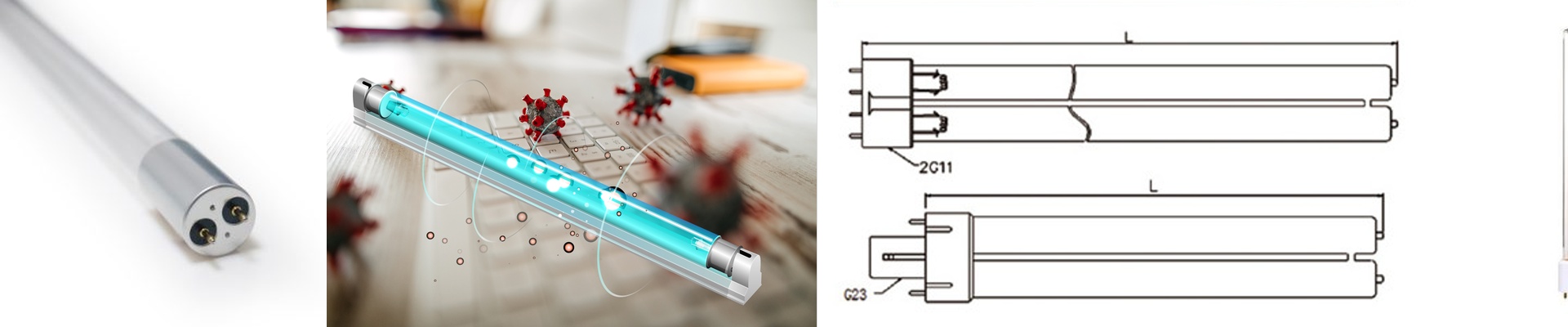
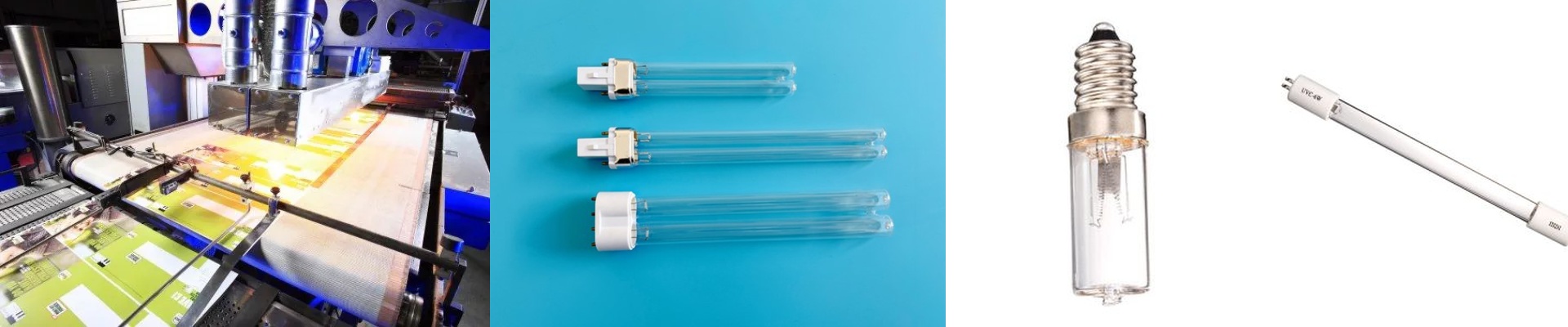
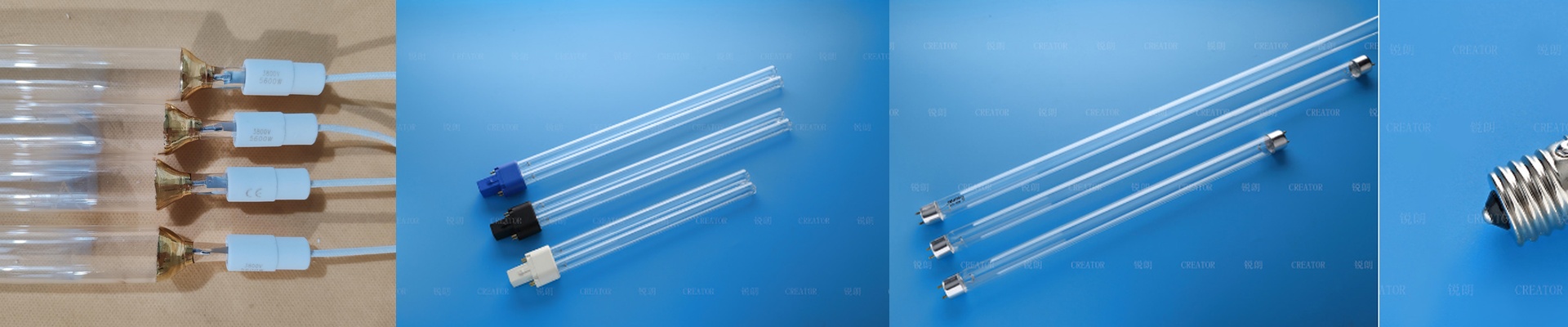
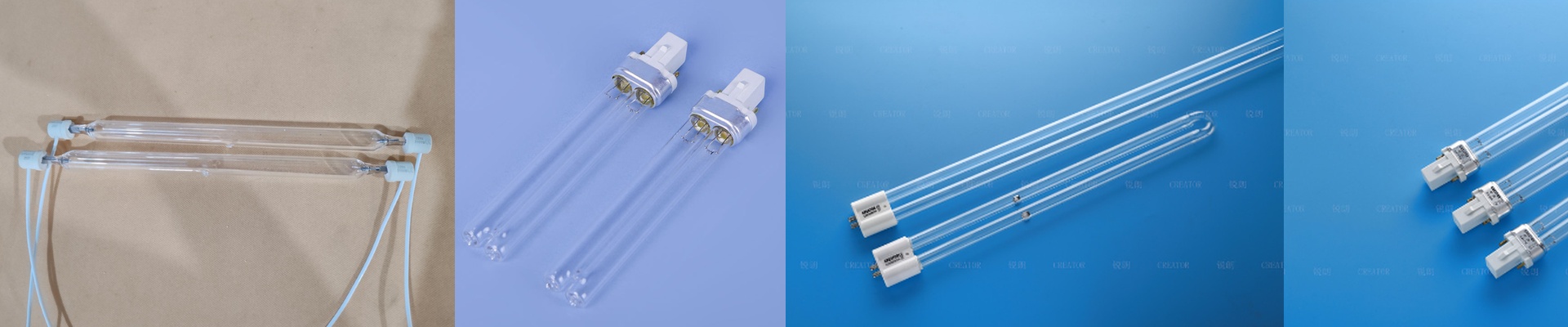
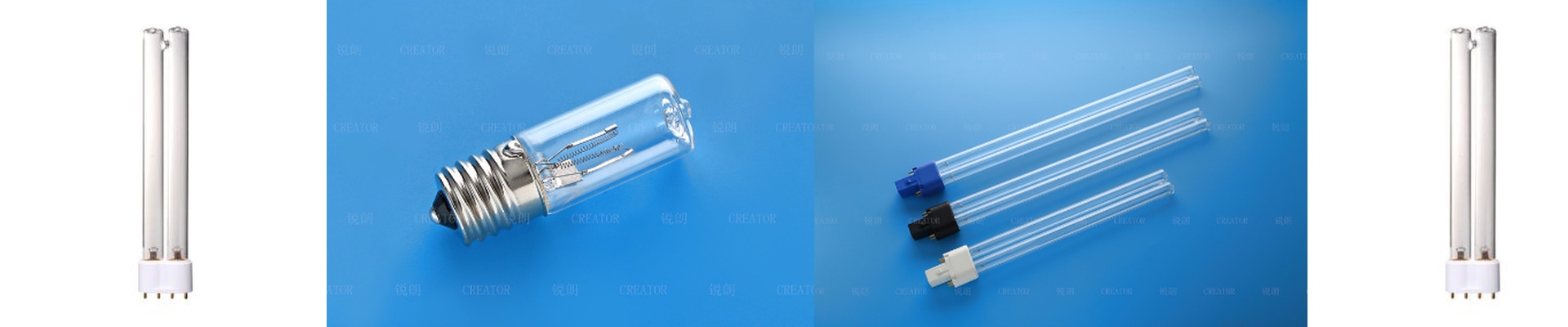
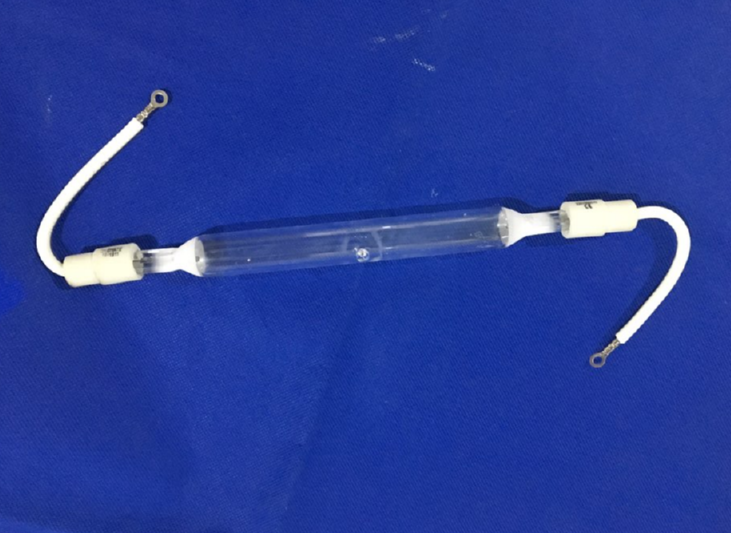
On the shop floor, screen lines are already pressed for space, and cycle time is even tighter. You need more throughput, but the machine bay won’t give you another inch. The only move that makes sense is a lamp upgrade that packs more curing energy into the same footprint. What matters technically We built a modular UV lamp module for screen work that hits the photoinitiator absorption band with a stable mercury vapor spectrum, centered at 365 nm. That gives you deep through-cure on thick ink films. Peak irradiance at the substrate hits 1200 mW/cm², and the module holds 800 mJ/cm² at typical web speeds. The reflectors use a dichroic coating to shape the spectral output and cut IR heat load, so you keep substrate temperature in check on sensitive synthetics. The lamp head stays within the same mechanical envelope—compact arc length, standard mounting—so it drops straight into existing shutters and shielding. Why it works in practice The upgrade is built around simple integration: swap the lamp, reflector, and power lead, and keep the optics and mounting you already have. With more photon flux, you can bump print speed up to 30% without changing dryer length. Higher energy density also tightens cross-linking on pigmented and thick-build inks, which reduces tack and improves stacking time. You end up using less energy per unit because cure time shortens, and lamp life is rated to 2000 hours with controlled output decay—spares inventory comes down. Here’s what to watch for Matching spectral output to the ink chemistry isn’t optional. Get it wrong and you’ll surface-cure while the bulk stays under-crosslinked. Higher irradiance means more heat, so confirm your substrate can take the temperature and that ventilation is up to it. Installation needs a recalibrated speed curve and dose mapping across the full print width to avoid overexposure at the edges. Run a short qualification with your ink supplier to lock in the process window.