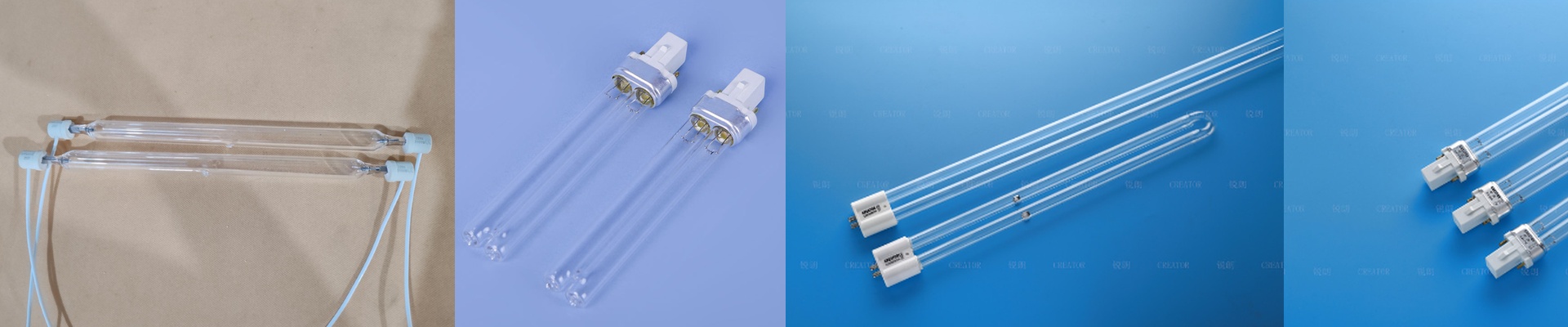
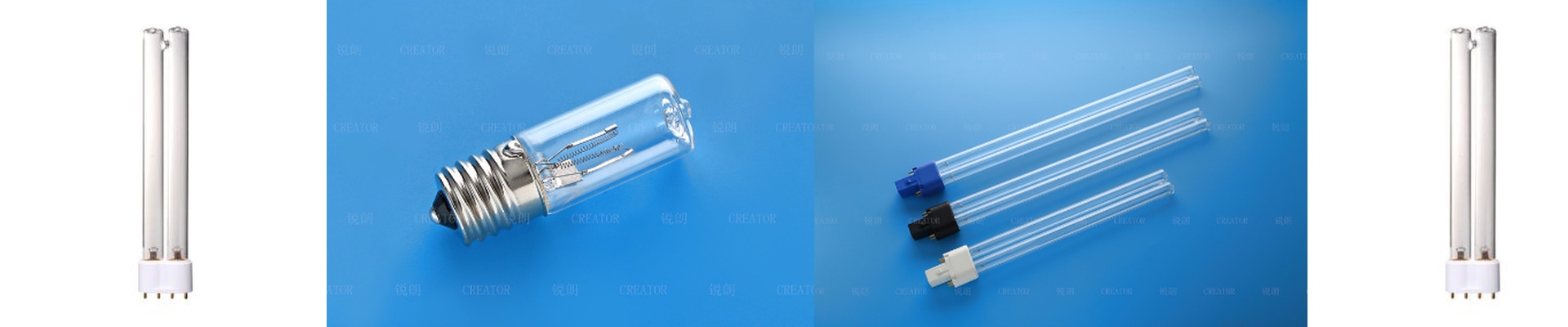
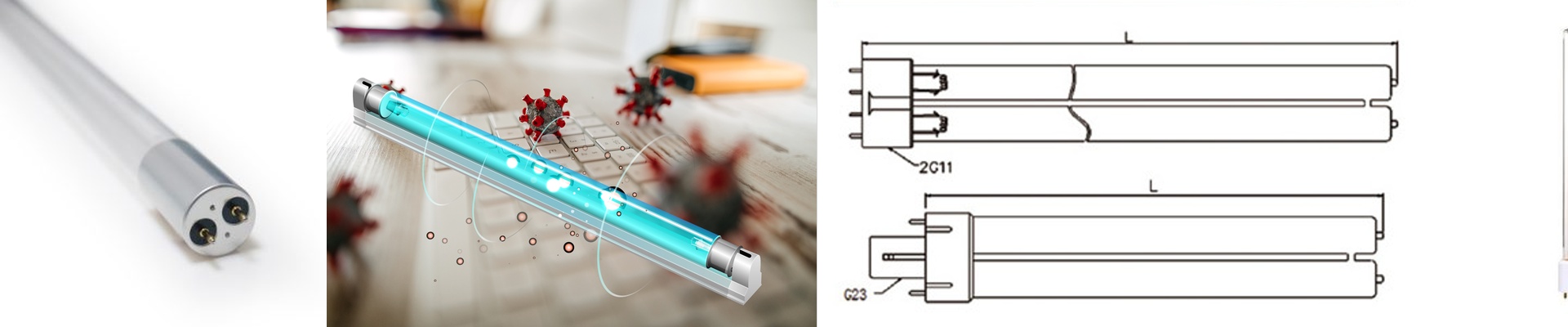
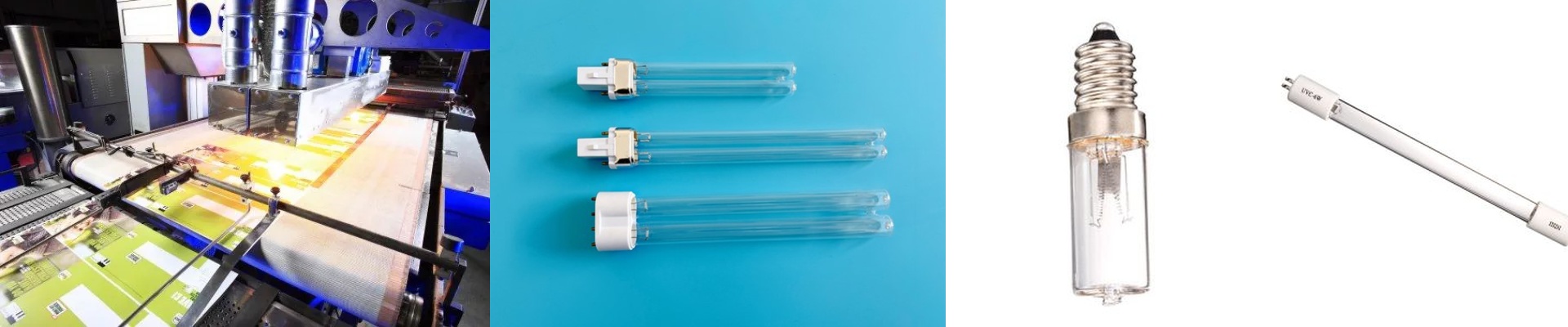
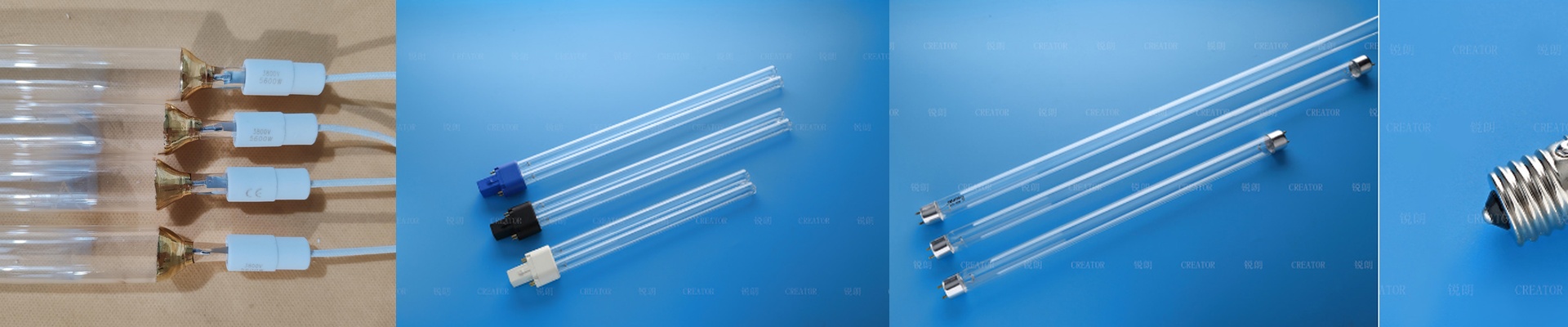
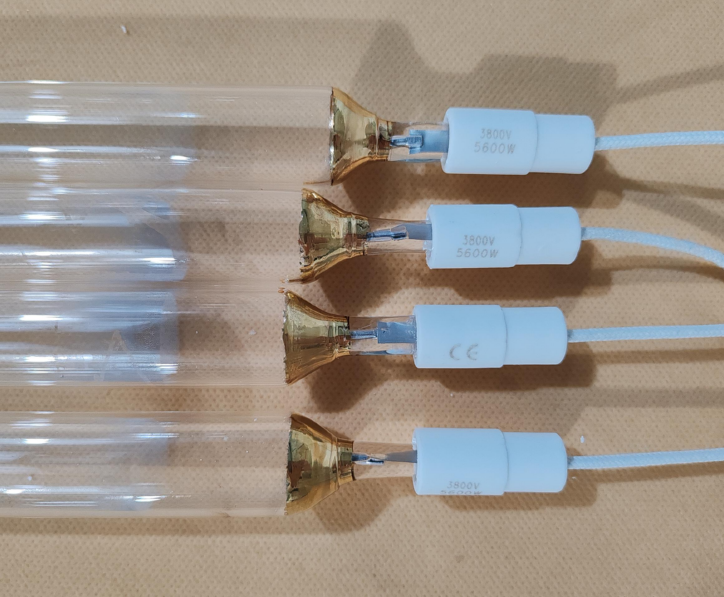
On the floor, a UV curing line doesn’t cut deals. It either delivers the energy density the substrate needs, or the job comes back as defects—tack, adhesion loss, and scrapped stock. The mercury UV lamp sits at the center of that performance, and the one material choice that sets the baseline is quartz purity. What actually matters, technically A mercury lamp isn’t just “UV.” It’s a controlled spectral profile from 240–450 nm, anchored by strong output at 365 nm, plus energy around 313 nm and 405 nm that many photoinitiators rely on. The quartz envelope is what lets that spectrum through and decides how much UV actually reaches the reflector—and, in the end, the web. When you use 99.99% electronic-grade quartz, absorption stays low and stable. The lamp runs cooler, the envelope holds its shape, and output drift over life is minimized. That kind of stability is exactly what you need when you’re trying to hit a repeatable mJ/cm² window and keep peak irradiance consistent across the full print width. Why it plays out this way on press High-purity quartz keeps the spectral output honest, and that directly translates into curing efficiency. You get faster cross-linking at the same power, better cure through pigmented inks, and fewer hot spots across the substrate. The result is predictable: fewer line stops, less scrap, and a lamp life curve that feels like a curve—not a sudden cliff. The practical details you can’t skip Even with 99.99% quartz, you still have to match the lamp to the curing module—power density, arc length, and end fittings—then verify reflector alignment with a spectral radiometer. Push the lamp above its rated power and life drops off. Under-power it and peak irradiance suffers. And expect ozone generation at the shorter wavelengths—run ozone-free configurations or make sure you have proper exhaust. Treat the lamp as part of the system, not just another consumable.