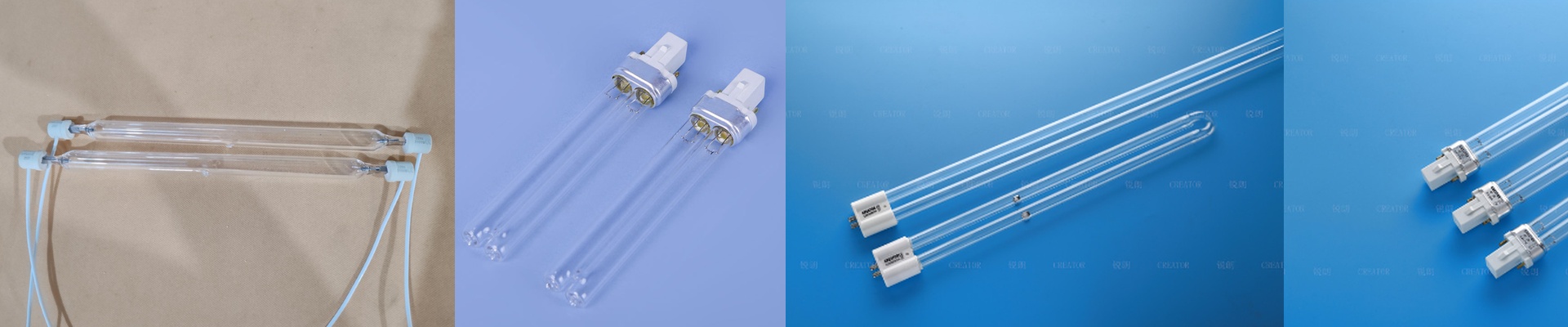
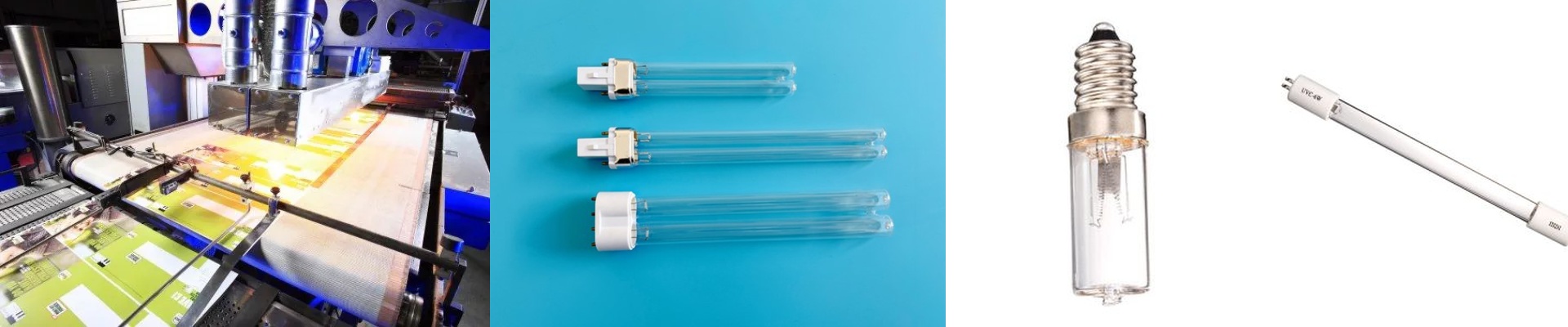
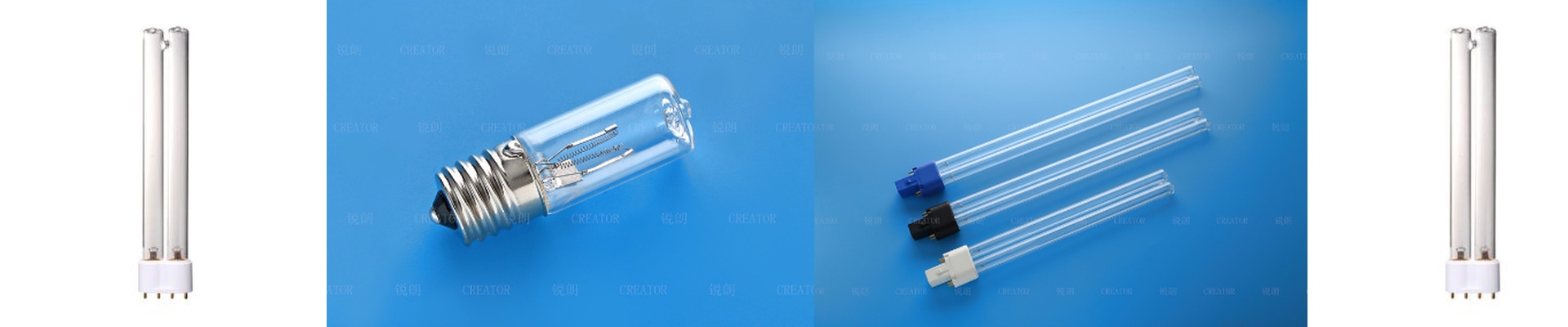
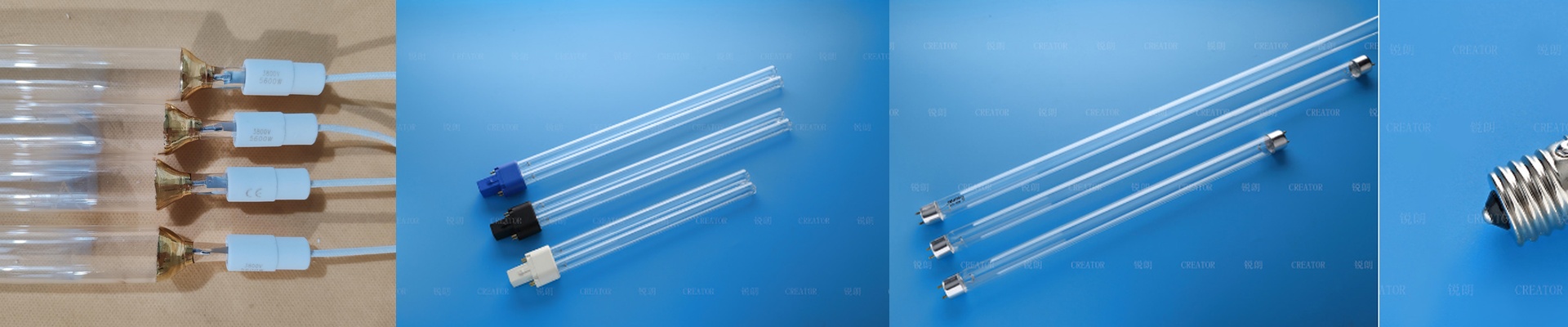
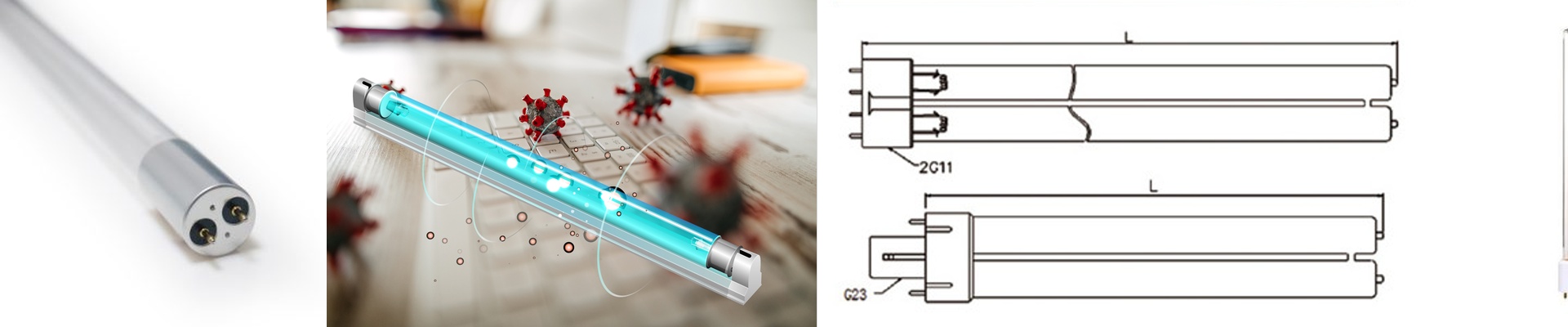
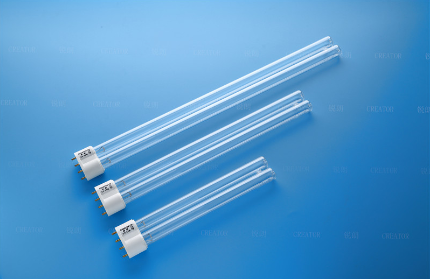
On the press floor, idle time burns money, and an uncured plate kills a run. When you need instant, repeatable UV curing for offset plate imaging, the lamp’s spectral output isn’t just a spec. It’s the difference between hitting cycle time and getting stopped cold. What matters, technically We spec these Gallium UV lamps around offset plate curing, tuning the spectrum to match the photoinitiator absorption in today’s plate coatings. The gallium-doped mercury vapor gives you peak irradiance at 365nm and 385nm, the wavelengths that drive photon penetration deep enough for complete cross-linking. This isn’t skin-deep. It’s cross-linking through the full thickness, so the plate holds together from substrate to surface. Instant cure, high peak irradiance—no need to linger in an exposure window. Why it works in production CE isn’t paperwork; it’s engineering discipline that clears the bar for global lines. For offset plate work, that means the lamp meets strict electrical safety and EMC requirements, so your operators and gear stay protected. In practice, you get stable, repeatable energy density, consistent output over 3,000+ hours, and reliable starts, cycle after cycle. The payoff: faster plate-to-press, less energy draw, and fewer lamp-related stoppages. The install details that bite Match the lamp’s arc length and base to your curing module. Make sure your power supply lines up with the lamp’s operating voltage and ignition profile. The lamp is ozone-free, but the reflector’s dichroic coating is fussy—handle it clean, or you’ll bleed spectral efficiency. And confirm compatibility with your press’s shutter mechanism. Hit it wrong and you’ll shorten lamp life with impact damage.