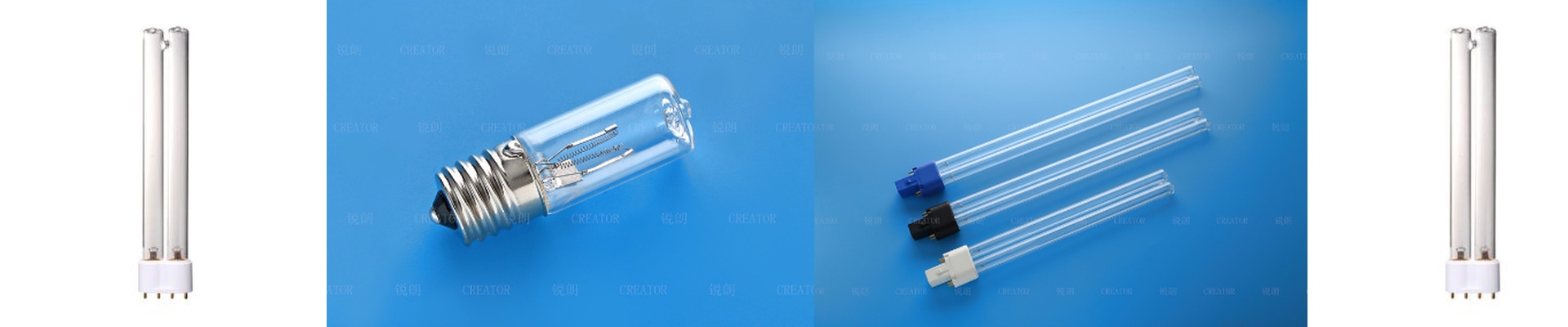
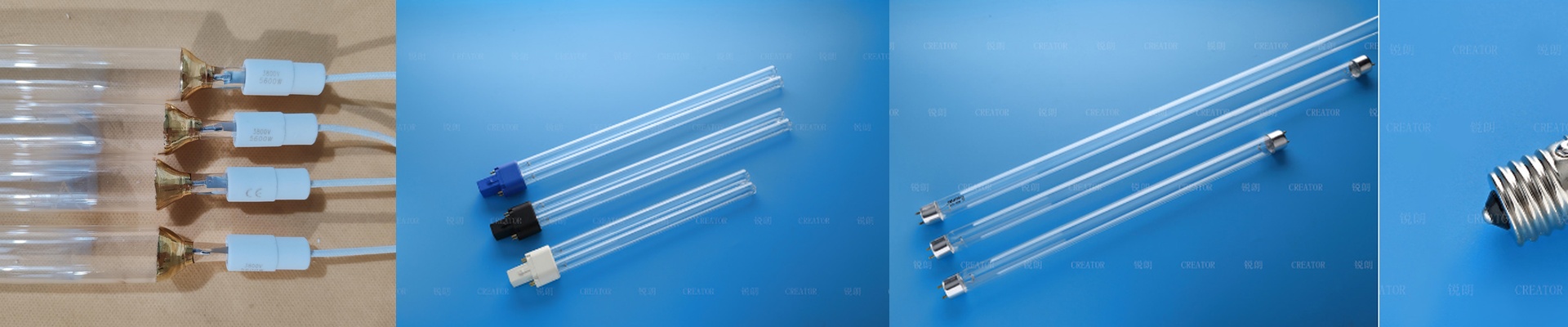
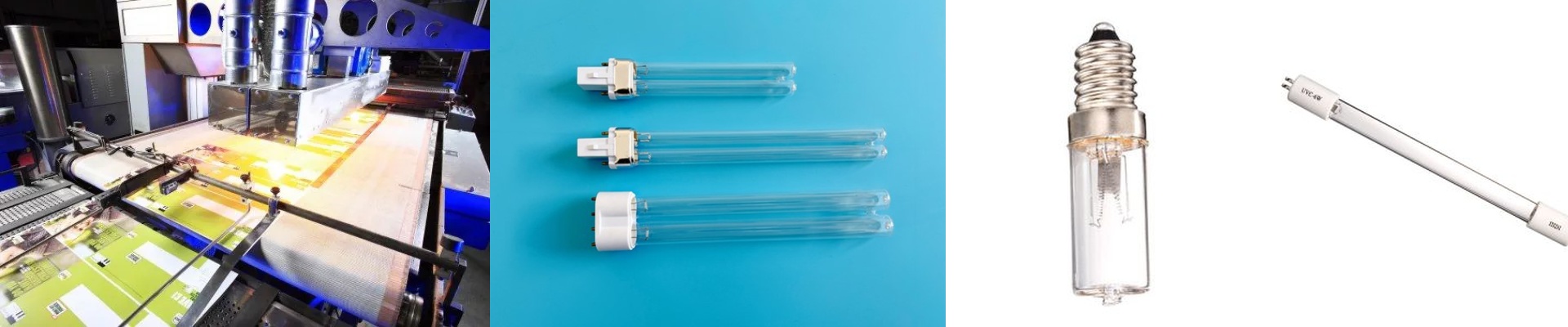
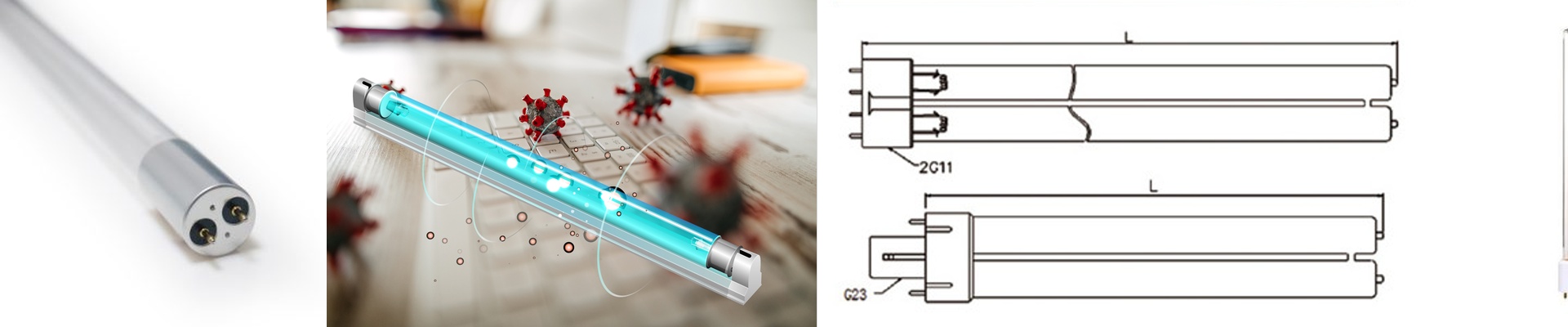
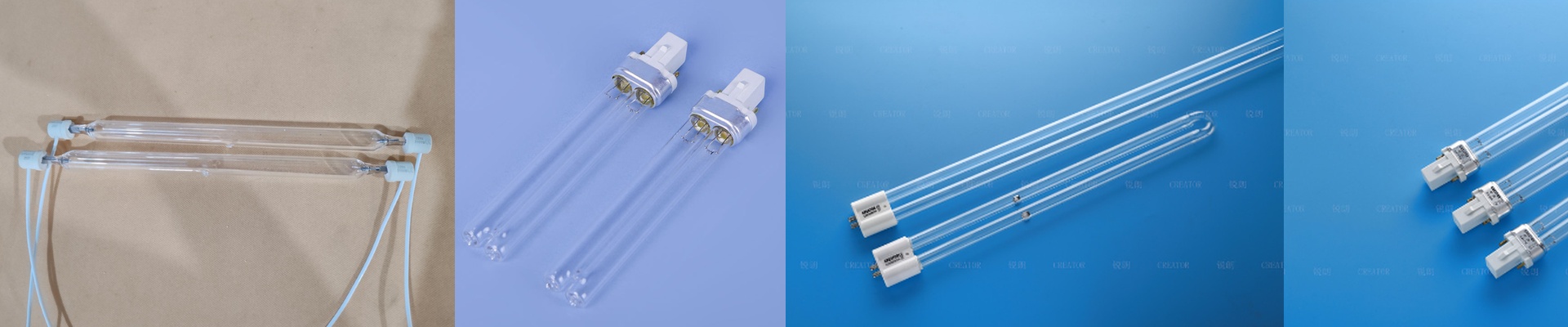
Stop Just Buying UV Lamps. Start Fixing Your Process.
Most suppliers treat UV lamps like lightbulbs. They ship you a box, a packing list, and wish you luck. But that’s not how real production works. By 2026, the industry is going to stop obsessing over just “replacing hardware” and start focusing on how the whole system actually breathes—especially when you’re pushing high-speed printing or textile curing to the limit.
The actual science of the cure
Here is the thing: your curing speed isn’t about the number on the ballast. It’s about what’s actually hitting the material. If the wavelength doesn’t match the photoinitiators in your ink, you’re in trouble. You’ll get “skinning,” where the top looks dry but the bottom is still wet. Then, the whole thing just peels off. We don’t care about the wattage on the label. We care about the microwatts per square centimeter ($\mu W/cm^2$) reaching the substrate. That’s the only number that actually matters.
The heat struggle
Wiring up a new UV array is always a balancing act. High-intensity lamps put out a massive amount of infrared heat. If your cooling system can’t keep up, you’ve got a problem. Your substrates start to warp, or your lamp electrodes burn out way faster than they should. It’s a tug-of-war. You want that powerful UV-C or UV-V output, but you can’t let the heat ruin the print.
Tuning your line for speed
We don’t just sell you parts and walk away. We look at how fast your conveyor is moving. If you crank up the speed, you’ve got two choices: pump up the intensity or add more lamps to the array. If you don’t, the ink won’t fully polymerize before it hits the take-up reel. That leads to “blocking”—where the print sticks to itself—and everything loses its sharpness. We do the math for you. We make sure the energy density is spot on so your lamps aren’t just “drop-in replacements,” but actually help you get more work out the door.