Fixing the Headache of UV Curing for Textiles
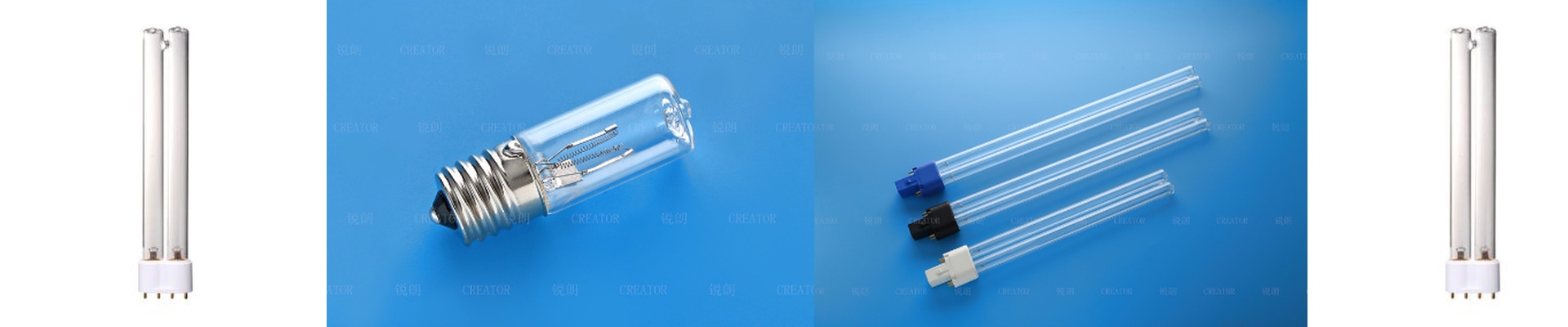
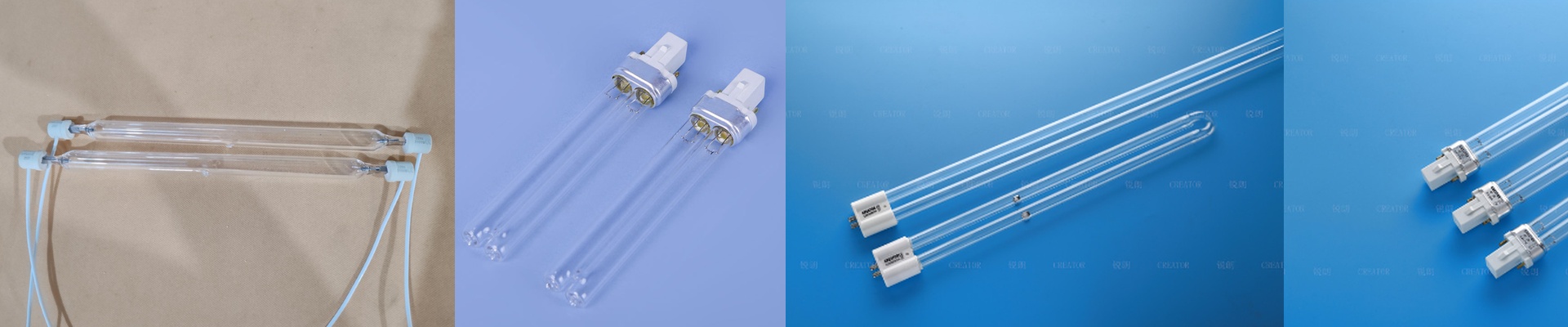
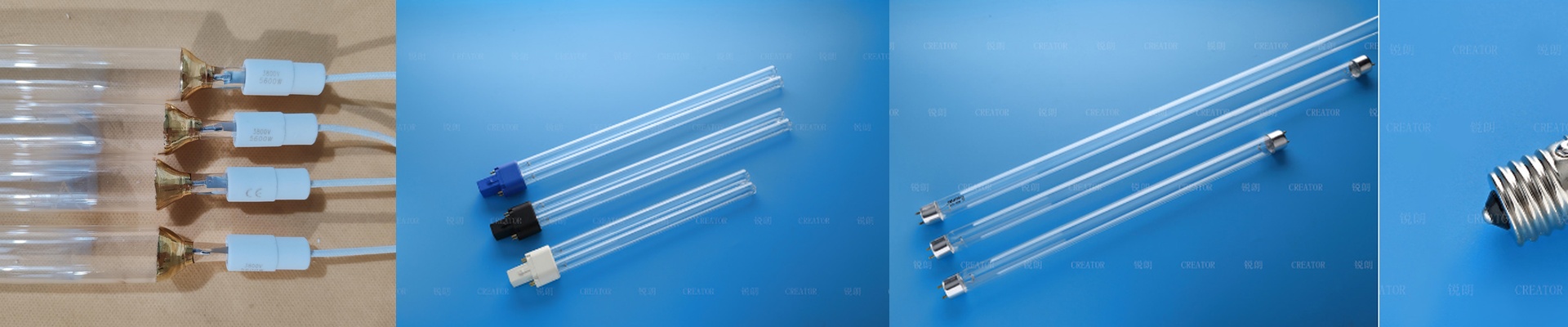
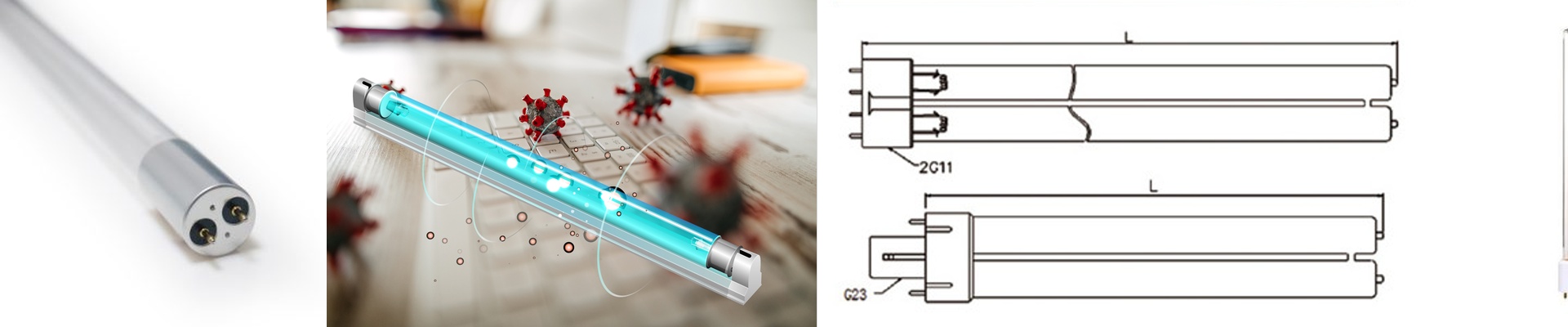
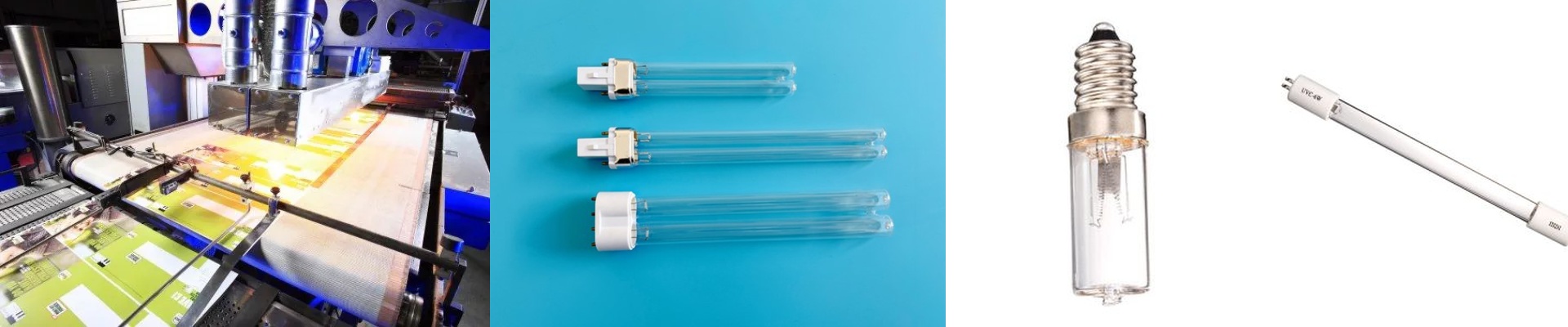
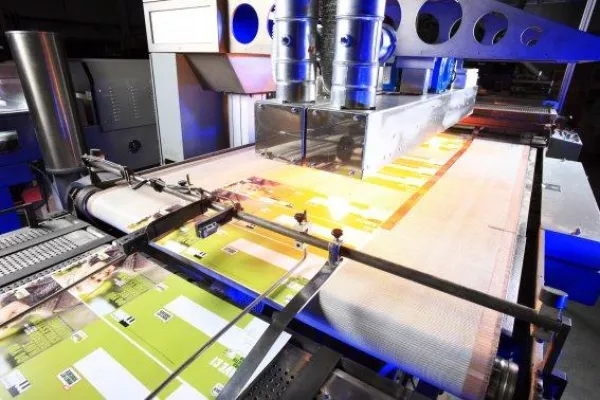
Let’s be honest: most UV curing setups are too rigid. You’re usually stuck with a fixed-length array that doesn’t care if you’ve changed your ink or if you’re trying to push your line speed a bit faster. We decided to do things differently. We build modular UV lamp systems. Instead of one giant, unchangeable block, we use a series of interchangeable modules. Here’s why that actually matters for your day-to-day. Getting the power just right If you blast your fabric with too much UV, it gets brittle. It loses that soft feel customers want. But if you don’t use enough, the ink stays tacky. With a modular setup, you can tweak the wattage per meter on the fly. If you decide to crank up the conveyor speed, you don’t have to pray that the ink still cures. You just slide a few more modules into the rack to keep your dosage exactly where it needs to be. Simple. Dealing with heat and lint Fabric mills are messy. Lint and dust are everywhere. If that stuff hits your bulbs, you get hot spots and your lamps burn out way too fast. To stop that, we use quartz sleeves. They act as a shield, keeping the grime off the bulbs while letting the UV light pour through. But you’ve got to keep an eye on your cooling. High-wattage lamps put out a lot of infrared heat. If your fans or water jackets aren’t up to the task, you’ll see the ink bubble or the fabric warp. It’s a nightmare to fix after the fact, so get the cooling right from the start. Upgrading without the chaos Nobody wants to tear out their entire conveyor frame just to get better curing. We designed these to be drop-in replacements for those old mercury-vapor systems. And when a lamp finally gives out—you’ll notice the light output dipping—you don’t have to kill the whole line. Just swap out the one dead module and keep moving. One pro tip: hook it up to a stabilized power supply. Voltage spikes are the fastest way to crack an arc tube, and that’s a headache you just don’t need.