Hybrid UV and Infrared Curing: The Integrated Solution for Automotive Part Powder Coating
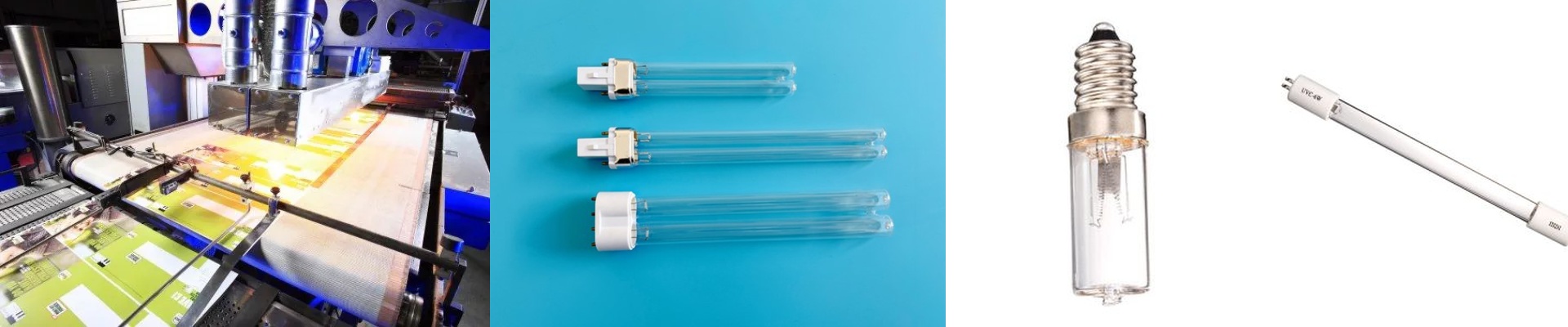
We built these UV lamps for one place: the gritty, fast-moving world of automotive part finishing. Our whole focus is simple—give you a cure that’s fast, reliable, and drops right into the line you already have. When you’re coating plastic parts—housings, trim, the works—we pair UV with infrared heating. This hybrid setup isn’t a fad. It’s a smart answer to how complex parts actually cure.
Technical Deep-Dive: Power, Voltage, and Dimensions
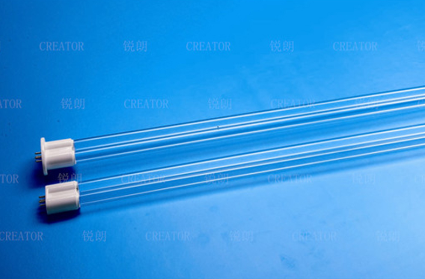
The units run on 400V, the same industrial voltage you’re used to. That’s what gives us the muscle for rapid cure cycles. And the size? Not random. The 300mm length and 2500W power rating are chosen to pack the right amount of heat and UV intensity into a tight space. That concentrated power is what keeps your line moving. But there’s a practical note: that kind of power means your cooling system needs to be ready. Make sure it can handle the heat load from a 2500W tube.
Material and Design: Why Quartz and R7s Matter
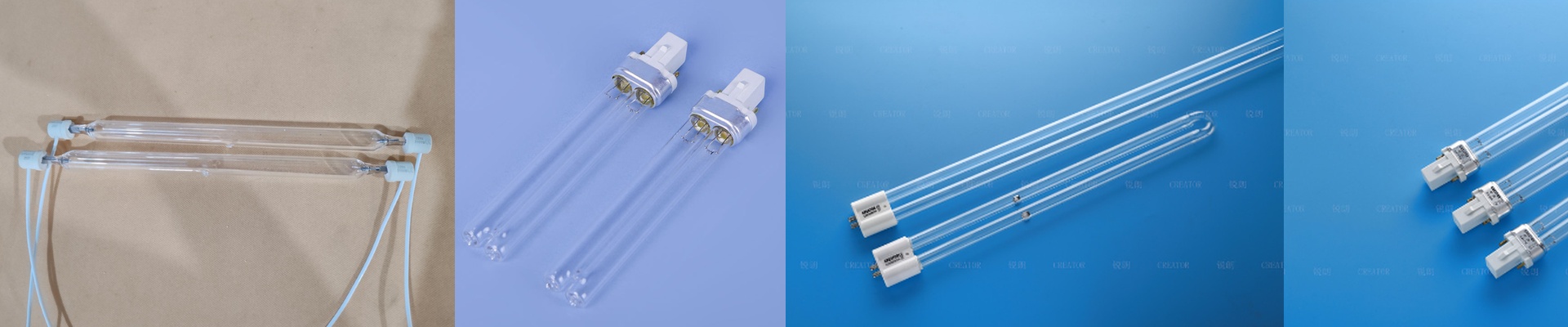
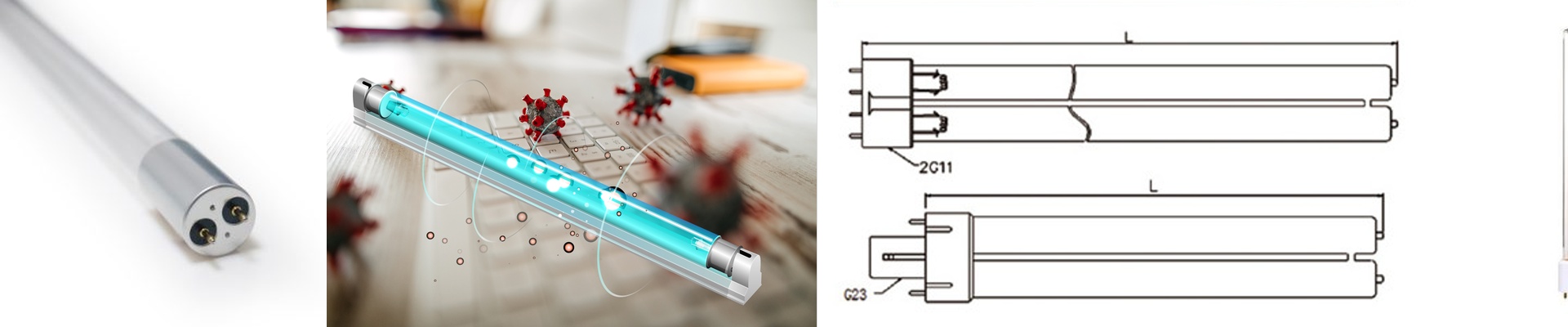
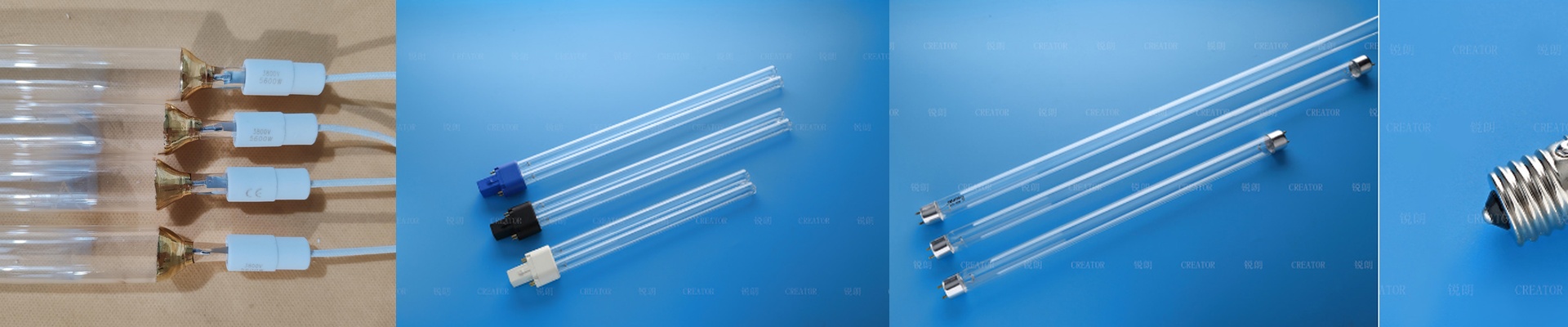
At the heart of the lamp is a high-purity quartz tube. It handles the shock of switching on and off quickly, and it keeps UV transmission steady. Inside, the halogen element delivers steady, focused infrared heat. It pre-warms the part, getting the powder to the right flow-out temperature before the UV kicks in. Then there’s the R7s connector—the workhorse. It’s a proven, two-ended, bi-pin design that gives you a solid electrical connection. That means the lamp is a true drop-in replacement, so maintenance stays simple and downtime stays low.
Application and Benefits: Solving Real Production Problems
On the line, you need a cure that’s fast and even. Our hybrid approach uses infrared to drive heat into thick sections and tricky geometries, while the UV lamp cures the surface instantly. That two-stage rhythm clears up surface defects and boosts throughput. For you, it means one integrated system that cures faster, cuts rejects, and fits the footprint you already have. The catch is control. You have to balance infrared pre-heat and UV intensity so you don’t overheat sensitive substrates. Get that balance dialed in, and you end up with a process that’s solid and repeatable.