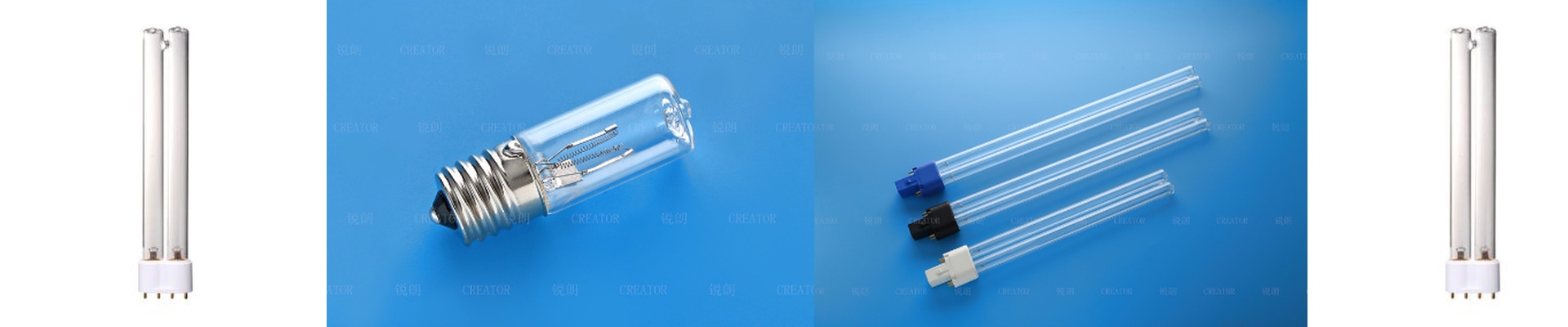
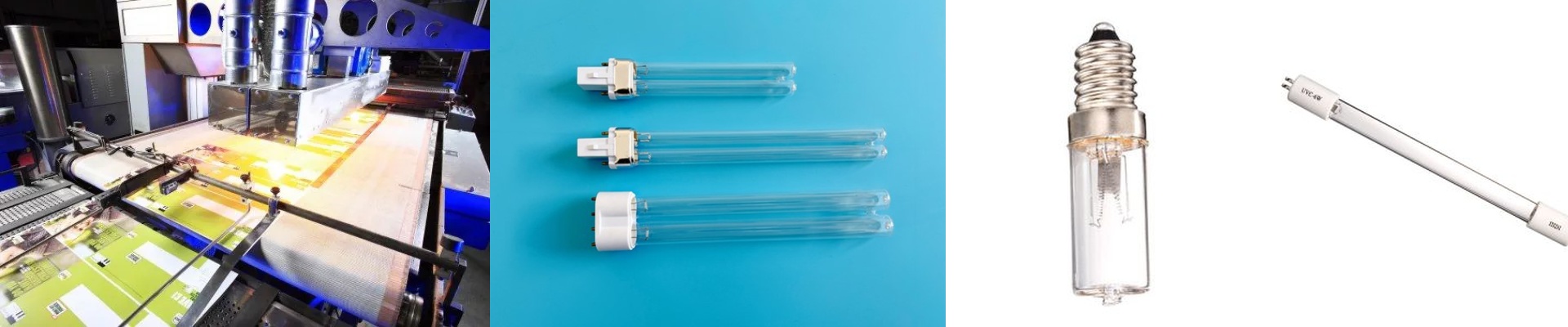
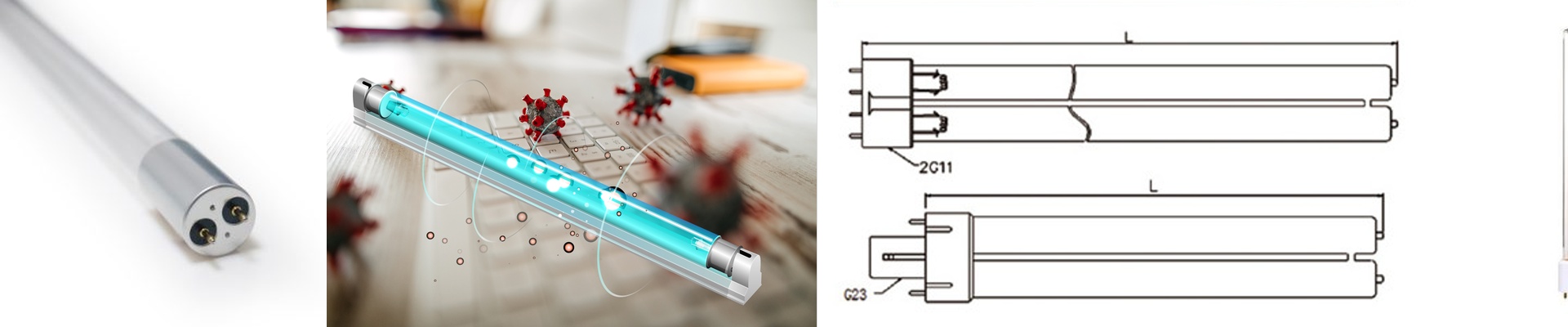
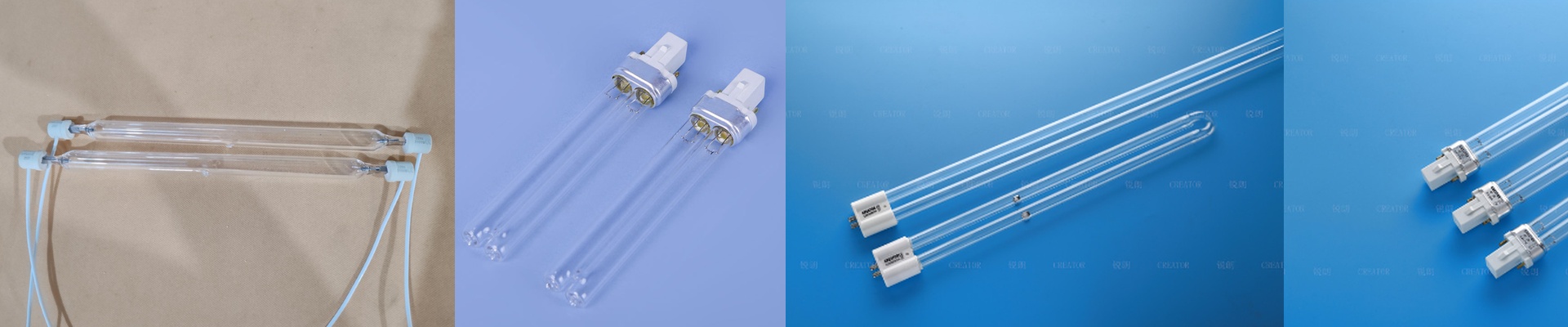
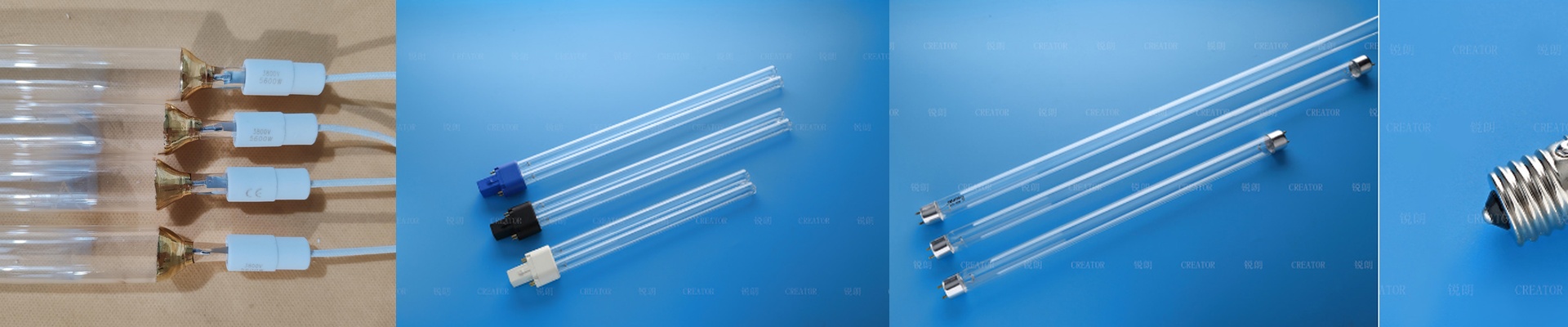
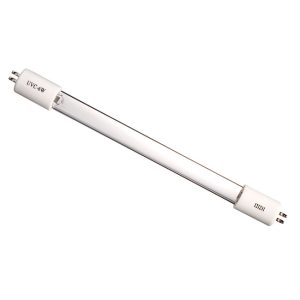
Walk the shop floor where speaker lines are running full tilt, and there’s no room for mistakes. Adhesives that cure too slow kill throughput. Undercured bonds? You’re gambling with voice coil integrity and long-term reliability. If you’re a wholesaler or trader chasing serious volume, you need a UV curing setup that just keeps repeating, shift after shift. What matters under the hood We build these UV lamps around high-pressure mercury vapor, tuned for stable spectral output at 365nm with tight band control. That wavelength hits the photoinitiators in UV-curable adhesives and coatings hard, so you get deep cross-linking without surface tack. Peak irradiance is set to hit 800–1,200 mW/cm² at the substrate, depending on lamp power and reflector geometry. Dichroic-coated quartz envelopes shape the spectral profile and keep heat in check, and ozone-free operation makes ventilation simpler. You can count on 5,000+ hours of stable output, with less than 5% drop at end-of-life, and consistent hot-spot uniformity across the arc length. Why it fits speaker assembly On speaker lines, you’re curing bond lines on plastics, metals, and composites—often with inks or adhesives that change with the material and the tolerance. The 365nm focus gives you a fast cure on UV adhesives without cooking sensitive parts, so dimensional stability stays intact. You get faster cycles, fewer rejects, and less energy per unit compared to broad-spectrum sources. For global wholesalers, the CE mark covers compliance, and standardized mounting and connectors make it quicker to integrate across multiple OEM platforms. The practical details Match lamp power and reflector to the adhesive’s required energy density and the substrate’s thermal budget. High-reflectivity dichroic coatings can push surface temperatures up, so double-check clearances and cooling airflow. Make sure the curing station’s power supply and igniter are compatible—mismatched drivers will shorten lamp life. Plan on checking spectral output with a radiometer every 1,000 hours to track intensity and replace lamps before drift starts to hit bond strength.