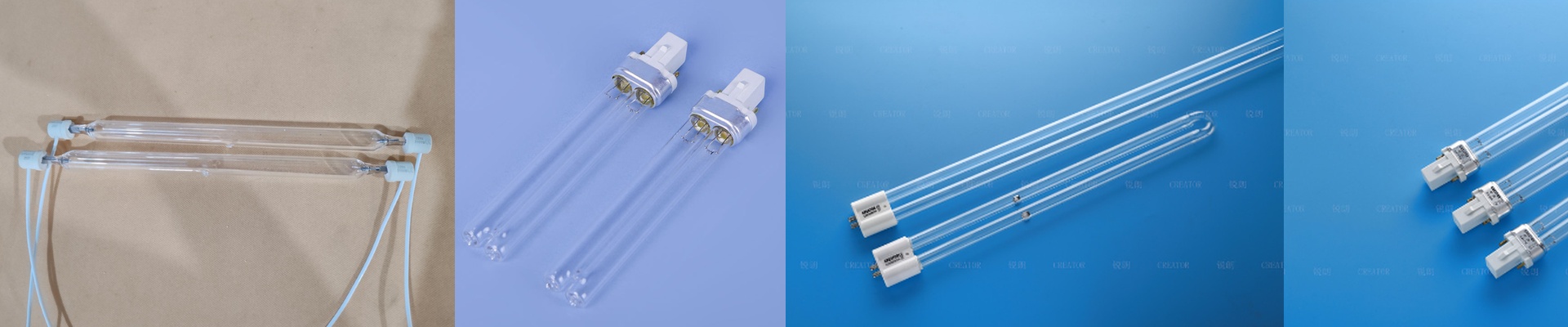
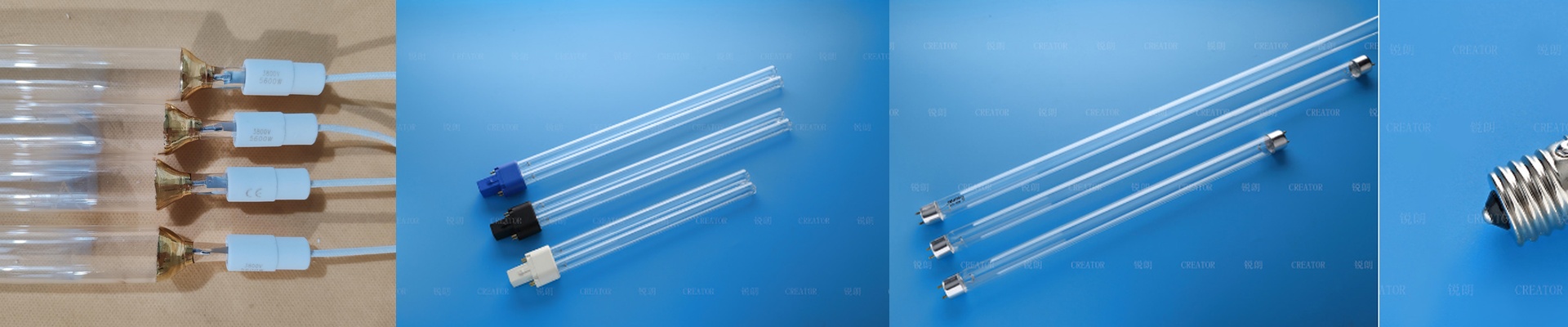
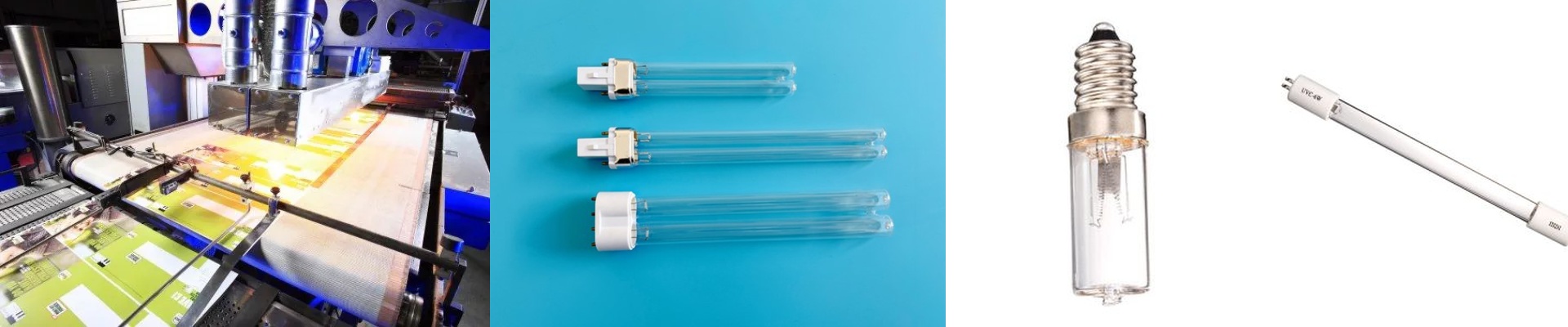
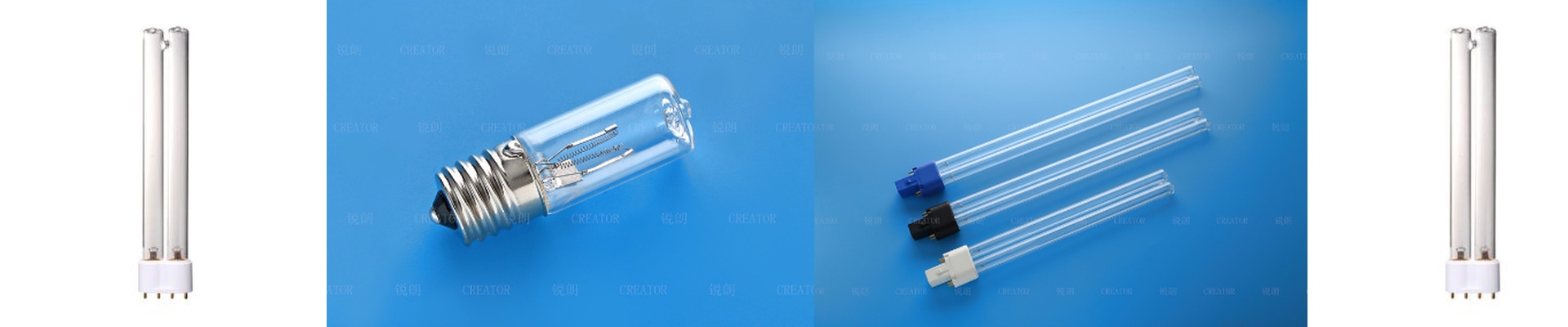
On a stone-processing line, inconsistent cure quietly eats into yield. You know the signs: tacky edges, photoinitiators that never fully react and get trapped under the surface, and adhesion failures that don’t show up until after packaging. Traditional UV systems just throw irradiance at the problem, but marble coatings need spectral precision—enough to drive cross-linking without cooking the surface. What matters under the hood We built the UV curing lamp for marble stone around a high-pressure mercury vapor lamp, tuned for stable spectral output with dominant peaks at 365nm and 395nm. That profile lines up with the absorption bands of the photoinitiators used in most stone coatings, so you get a fast surface cure without the exothermic heat that can warp or discolor marble. Peak irradiance is set to 1,200–1,400 mW/cm² at a 20mm working distance, delivering 800–1,200 mJ/cm² in a single pass. The quartz envelope and dichroic-coated reflector hold output within ±3% over the first 2,000 hours, and the lamp runs ozone-free to avoid surface oxidation and corrosion on nearby equipment. We integrate remote energy monitoring at the driver level, reporting real-time power draw, lamp hours, arc stability, and UV intensity—measured by spectral radiometer. That lets you set cure windows by dose, not by guesswork. Why it sticks on marble lines Marble lines live and die by repeatable cure, even when pigment loads and coating thicknesses shift. With spectral control and closed-loop energy tracking, you hold the dose target even when line speed changes. You get faster cycle times without sacrificing throughput, fewer scrapped sheets from under-cure, and fewer adhesion rejects. Energy use drops because the driver only delivers what’s needed for the target mJ/cm², and lamp replacements become predictable instead of emergency calls. The practical details Installation needs a dedicated 240V/32A circuit and airflow verified—under-cooling accelerates output decay. The lamp is compatible with standard UV offset/screen integration, but confirm your PLC can talk to the RS485/IO-Link monitoring channel. Remote monitoring adds a small driver footprint, so plan for about 120mm of extra cabinet depth.