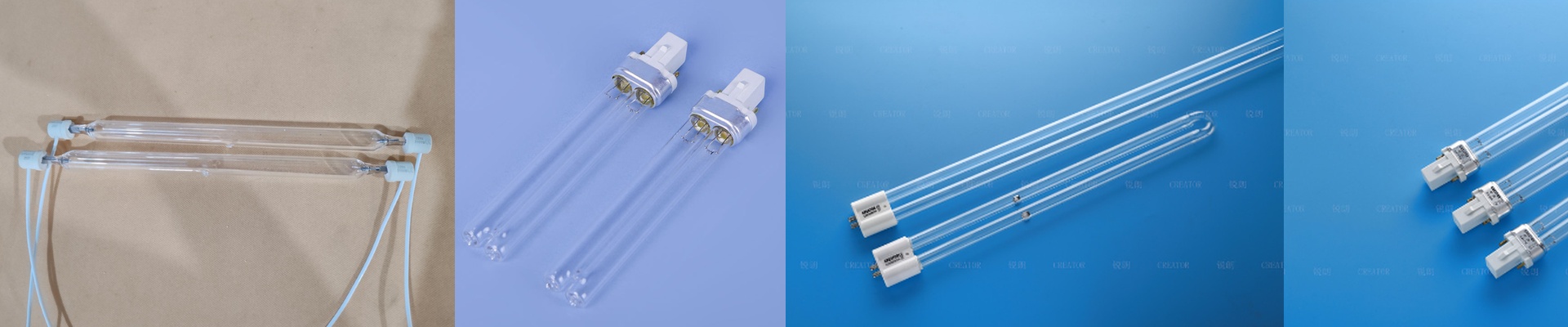
The Real Deal on High-Output UV Curing Lamps
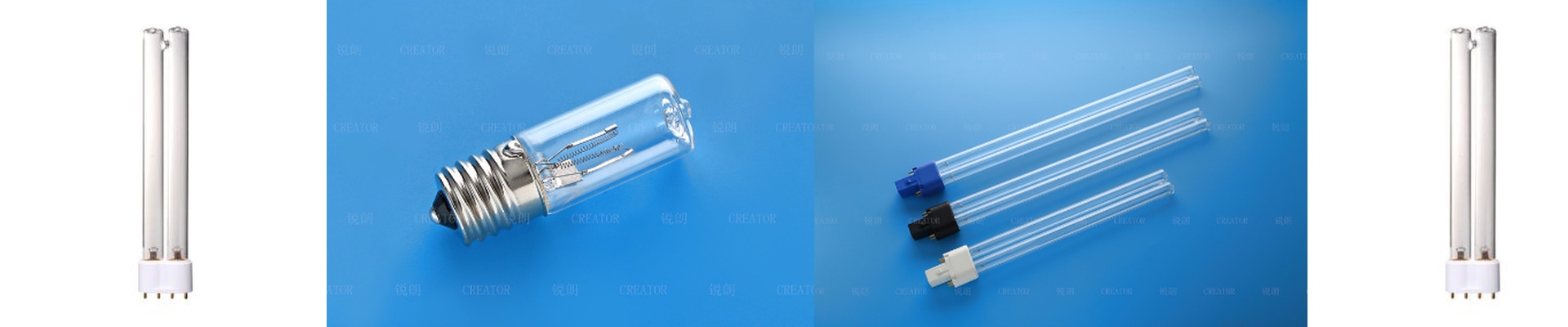
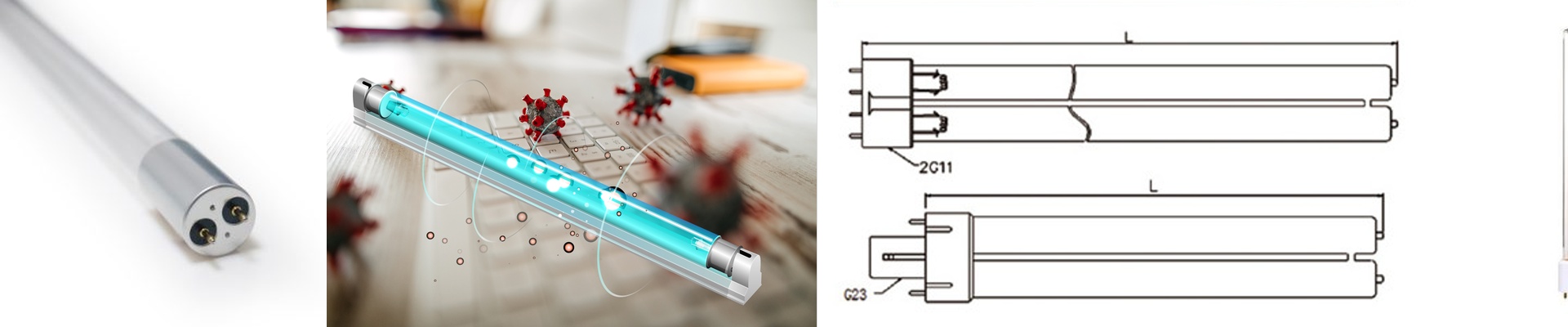
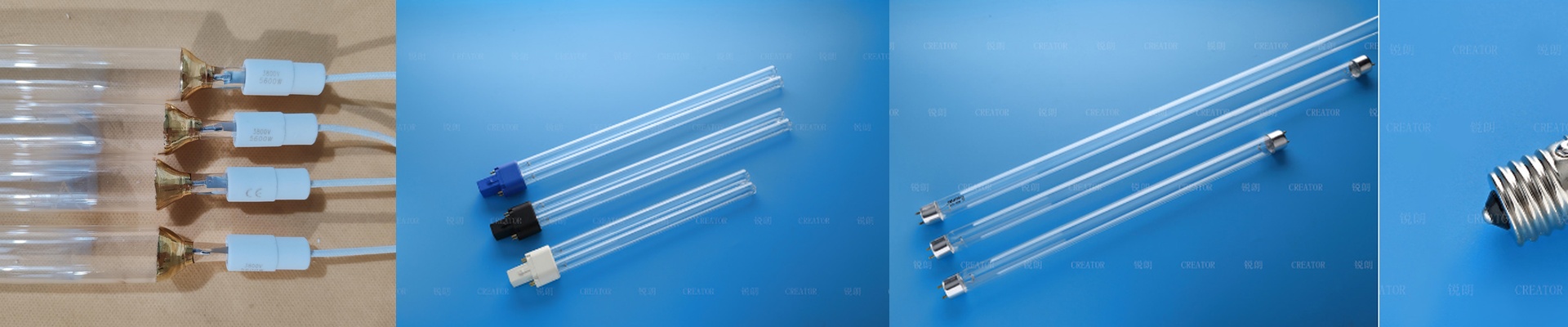
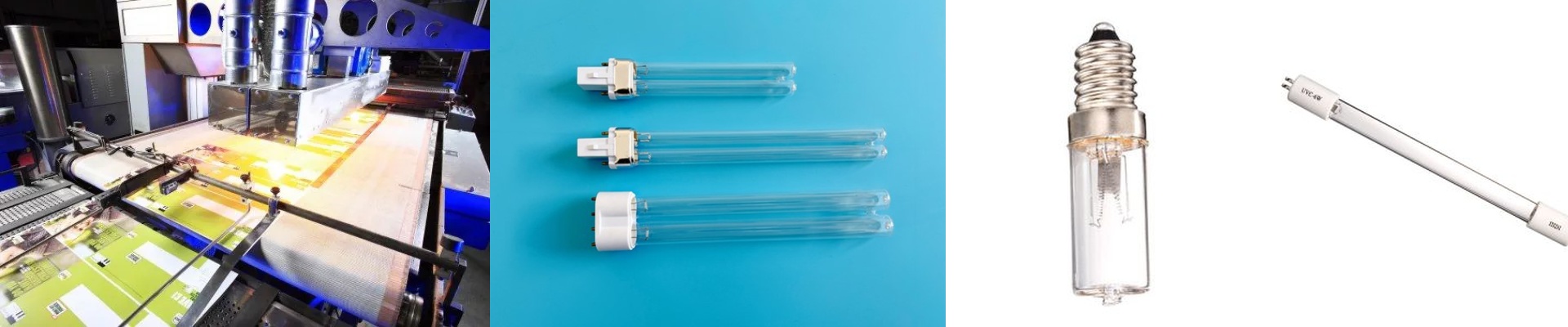
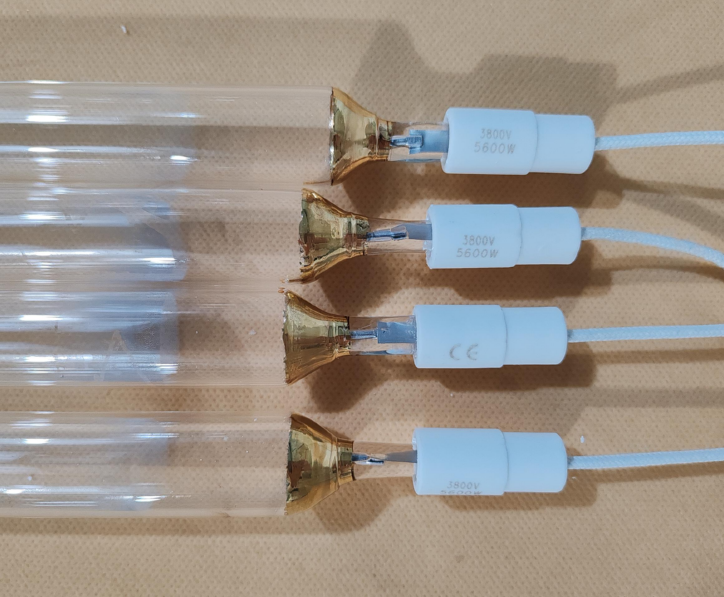
It took us 15 years to stop slapping other people’s labels on gear and finally build our own UV curing systems. In the world of industrial automation, a lamp isn’t just some light bulb. It’s the heart of your operation. If the light dips or the wavelength drifts even a little, your cure rate tanks. And when that happens, your entire line grinds to a halt. That’s a nightmare nobody wants. Heat and Power: The Balancing Act Most engineers trip up when trying to match wattage to conveyor speed. It’s a tricky balance. We build our lamps to keep the spectral output steady from one end of the tube to the other. But here’s the thing: high-wattage UV lamps get hot. Like, really hot. You can’t just plug these into any old circuit and hope for the best. You need a power supply that can handle that initial strike voltage without popping a fuse. Plus, if you’re running at full tilt, your cooling fans have to actually be able to move the heat. If the quartz envelope overheats, the lamp burns out way too soon. Why the Glass Actually Matters We use high-purity fused quartz because it lets the UV light through without fighting it. Cheap glass blocks the shortwave radiation, which basically kills your efficiency. The real weak spot? The seal between the electrode and the quartz. That’s where most lamps fail. We use a specific sealing process to stop gas leaks, which keeps the lamps running much longer. And don’t worry about the setup. We offer different connector types so these just slide right into your existing racks. No need to spend your weekend rewiring everything. Keeping Things Moving 24/7 These are built for the grind—24/7 cycles, no breaks. We kept the footprint small so they actually fit into those cramped conveyor tunnels. One quick tip: clean your reflectors every week. Just do it. Dust buildup blocks the light from hitting your parts. When that happens, you’re forced to either slow down your line or risk shipping under-cured parts. We build the lamps to hit the specs, but how you treat them in the shop is what really decides how long they last.