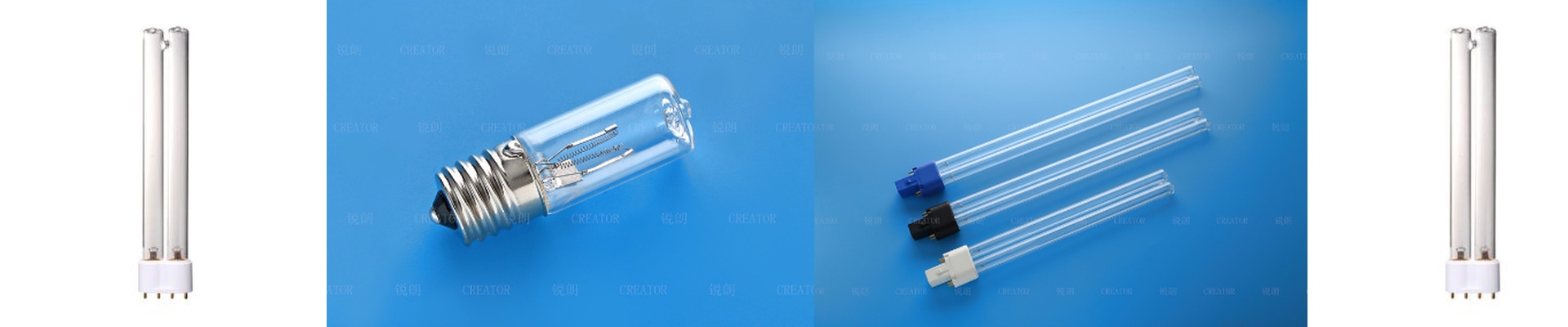
The UV Lamp We Built for the Real World
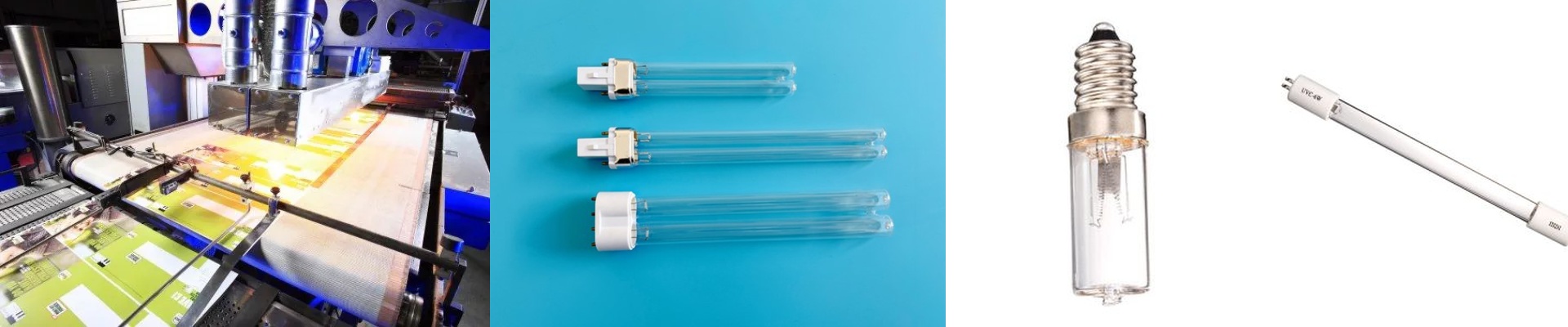
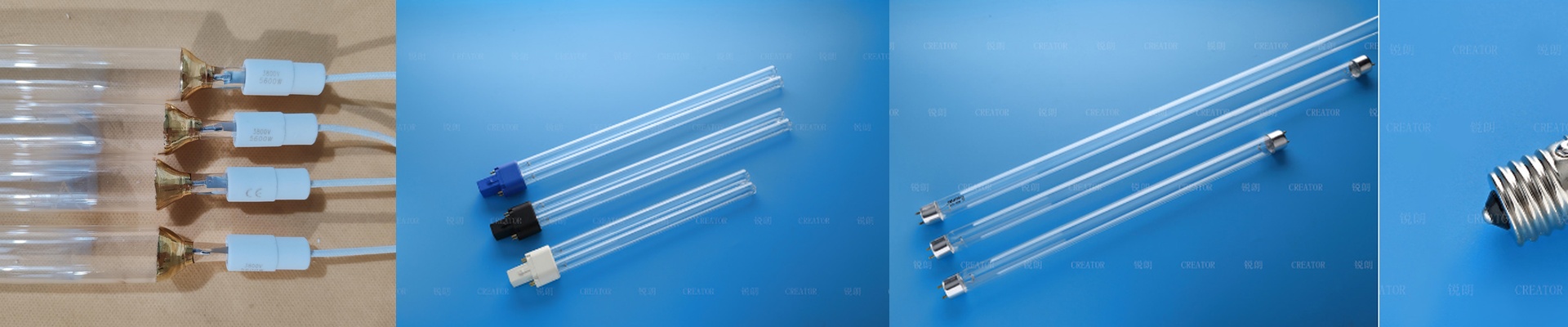
We spent fifteen years on this thing. Not tinkering in a lab, but getting our hands dirty on the factory floor, turning a behind-the-scenes component into a machine that just flat-out performs. At the heart of it is a 300mm, 2500W halogen tube, built for one thing: pumping out serious power, all day long. It runs on 400V, because it was designed to handle the grind of non-stop production cycles without flinching. That power rating? It’s not some random number. It’s exactly what you need for rapid energy transfer, so your inks, coatings, and adhesives cure fast. And the 300mm length is a standard footprint, so you can just slide it into your existing setup. No redesign needed. The 400V input keeps things stable, even over long cable runs, so you don’t lose power right where you need it most—at the lamp head.
What We Put Inside, and Why
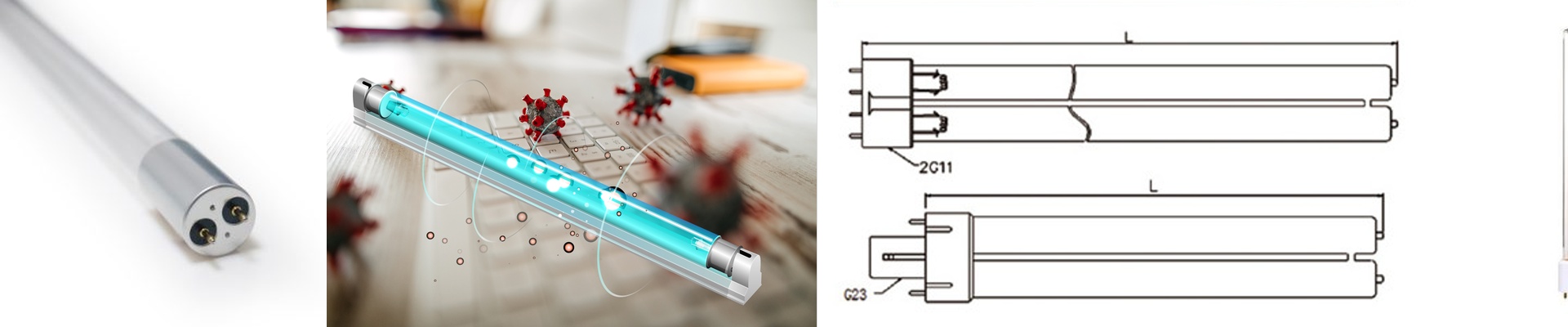
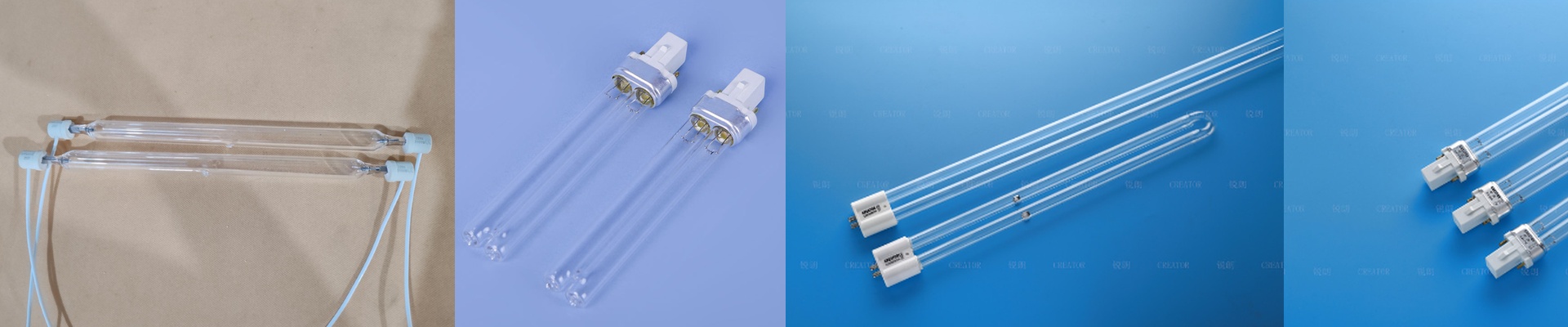
The tube itself is made from high-purity quartz, packed with a special halogen fill. This combo is what keeps the light output consistent over the lamp’s life. No slow fade. No drop in curing speed that kills your line. We also coated the tube to focus that energy into the UV band. That way, the photoinitiators in your materials absorb every last bit of it. Then there’s the R7s base. We chose it on purpose for industrial automation. It’s a double-ended, linear connector that locks the lamp in tight. It handles high current without creating hotspots, and installation is a breeze. Just line up the pins, slide it in, and you’re good. It’s built to survive the constant vibration of the factory floor and makes replacement a snap when a lamp finally burns out.
How It Actually Performs on the Line
Out in the real world, this lamp shines in automated curing stations where uptime is everything. It delivers fast, even curing across the whole surface, keeping your cycle times tight. And because of that R7s interface, it really is a true drop-in replacement, which means less time spent on maintenance. Now, there’s one thing to keep in mind: heat. A 2500W tube throws off a lot of it. Your machine has to be set up with proper cooling, or the lamp will run too hot and its life will be cut short. But if you plan for the cooling up front, this thing runs reliably, shift after shift. For engineers running industrial automation, this setup is just a practical solution. It’s high power, proven materials, and a connector that’s ready to go. It was built to work, not to just look good on a spec sheet.