Introduction
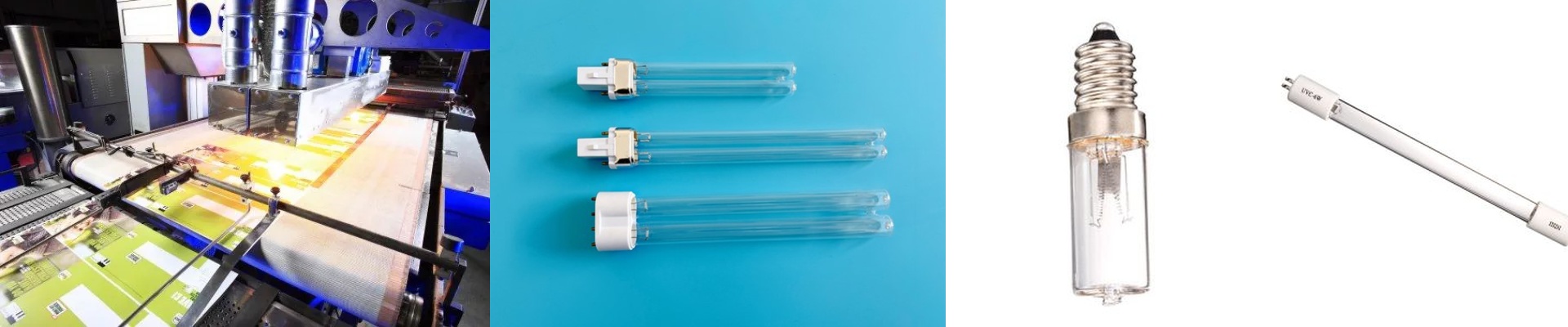
I’ll tell you straight: we didn’t build these UV lamps from a spec sheet in a vacuum. We spent time on the floor—walking through over 3,000 printing plants. And one truth kept hitting us in the face: The production line doesn’t pause just because a bulb needs changing. So you need a lamp that fires up fast, holds its arc steady, and drops right into what’s already there. That’s exactly how we built our factory-direct UV lamps—as a complete thermal system, not just a light bulb with a fancy label.
Power, voltage, and size—why they actually matter
Here’s the thing: a modern UV lamp has to match your line speed and the material you’re running. So we pack serious power into a compact tube length. The payoff? Enough irradiance to cure quickly without stretching out the heating zone too far. Electrically, we designed these to run smoothly on standard industrial power. The right voltage supports the arc length and current control, so output stays consistent. And the wattage is chosen to keep the lamp at the temperature needed for full polymer crosslinking—without guesswork. And yes, the physical length matters. It sets the hot zone and determines how it mounts. We match common press and coating line footprints so the lamp installs as a direct replacement. No re-engineering. No headaches.
Inside the build: halogen, quartz, and connectors that earn their keep
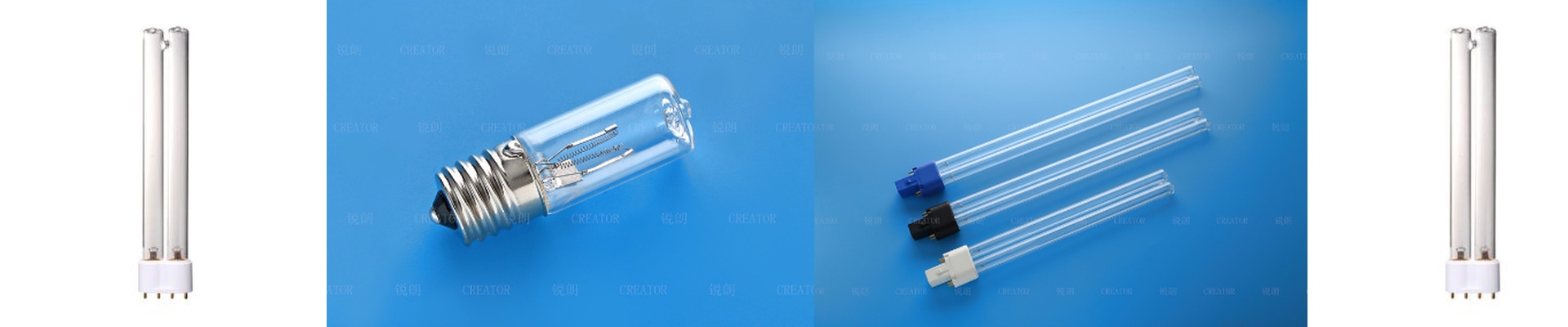
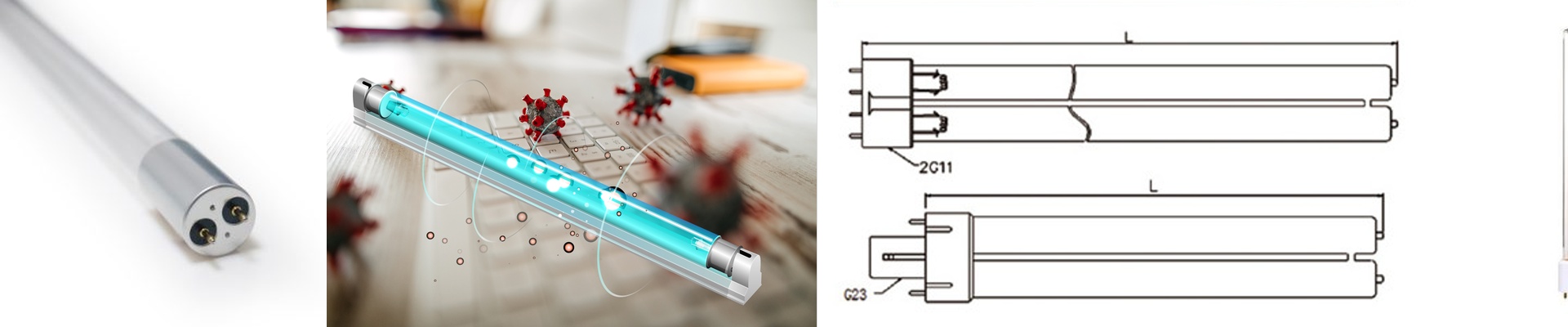
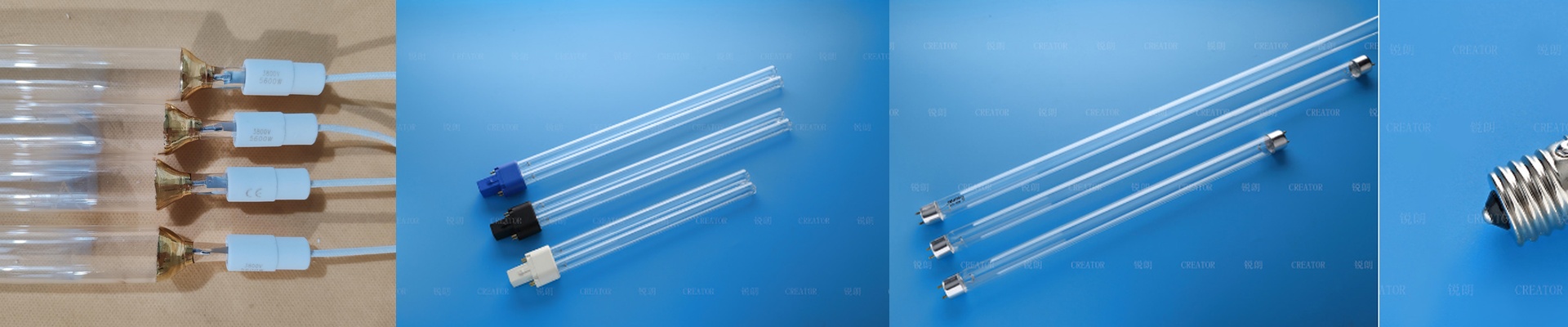
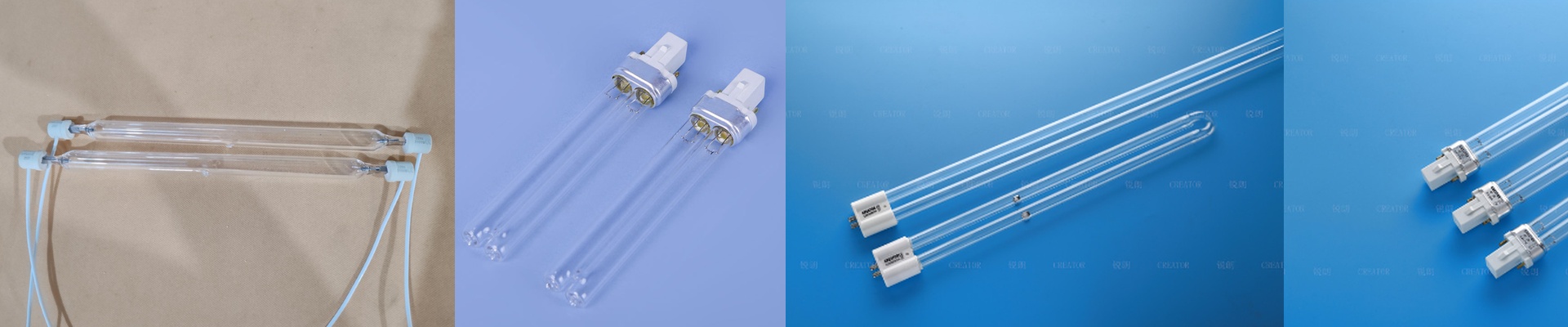
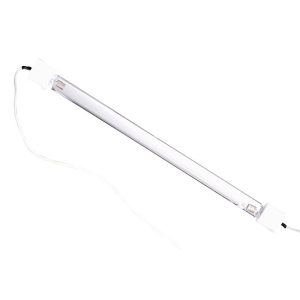
Inside, a halogen fill keeps the filament and arc stable, even after repeated start-stop thermal cycles. That means less drift over time—so your output stays honest. The quartz envelope handles the shock of rapid start-up and the chemical environment inside the curing chamber. It just takes the heat. We also use a coated quartz surface chosen for consistent transmission and durability. That coating helps maintain steady UV output and protects the tube from process byproducts that can degrade an untreated one. Then there’s the connector choice—practical, not flashy. The R7s base gives you a solid electrical and mechanical interface that wires up quickly and repeatably. It’s built to handle vibration and heat without loosening, so the lamp stays aligned where it needs to be.
What this means on the floor—faster curing, fewer surprises
On printing and coating lines, this setup translates into real-world wins: faster curing, fewer rejects, and maintenance intervals you can actually plan around. And the best part? The lamp hits operating temperature fast. So you can run short jobs without waiting around for the system to “settle in.”
The trade-off you should know—plan the heat
Now, the trade-off: high power density delivers strong irradiance, but it also raises ambient heat in the machine. That’s manageable—if you plan for it. Get your cooling and reflector geometry sorted up front, or you’ll start losing consistency on sensitive substrates. We deliver the lamp as a matched system—electrical, thermal, and mechanical—so it fits cleanly into modern industrial presses and coating lines. No fuss. Just performance you can count on when the line is running.