Getting UV Curing Right in Your Automation Line
Most people think UV curing is just about drying ink. But if you’ve spent any time on a factory floor, you know it’s actually about precision. It’s about getting the exact amount of energy onto a part at exactly the right moment. In a modern setup, your lamp isn’t just a light—it’s a piece of data. It has to talk to your PLC controllers so that as your conveyor moves, the energy stays consistent. No dead spots. No guesswork.
The Balancing Act of Energy
When we pick a lamp, we start with your resin. Specifically, the photoinitiator. If you’re running a high-speed line, you’ve only got milliseconds to get a full cure. That means we have to cram a lot of power into a small space. But here’s the catch: you can’t just crank the wattage and call it a day. If your belt isn’t moving fast enough to keep up with that heat, you’ll end up scorching your materials or dealing with annoying shrinkage. It’s a bit of a dance between power and speed.
Hardware That Actually Fits
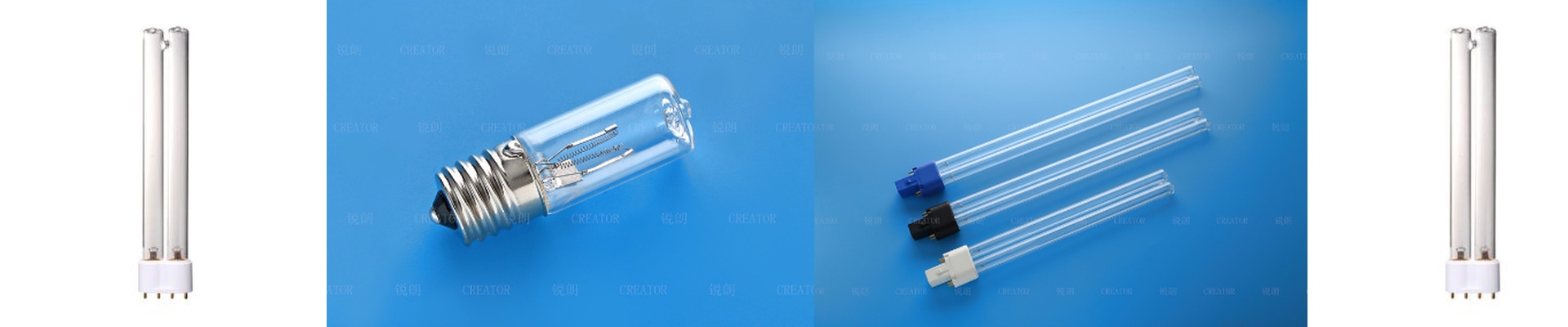
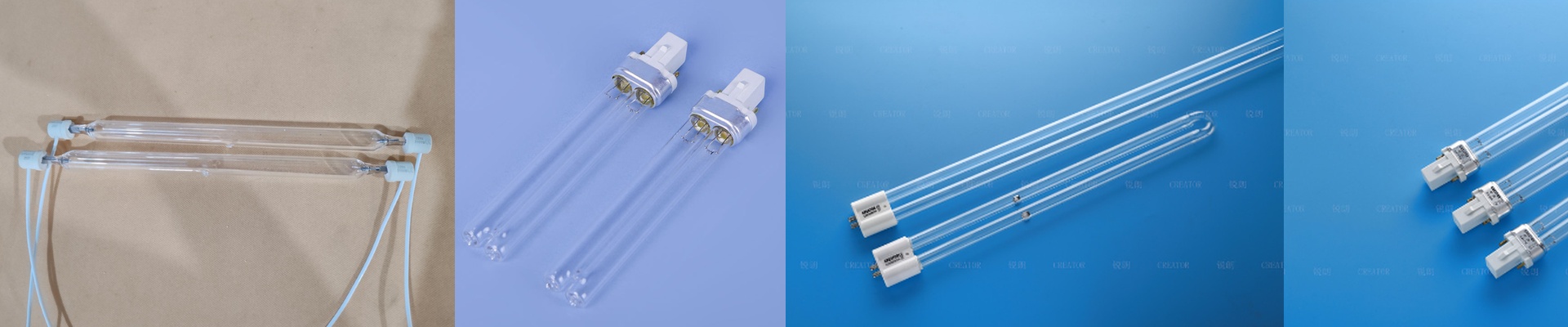
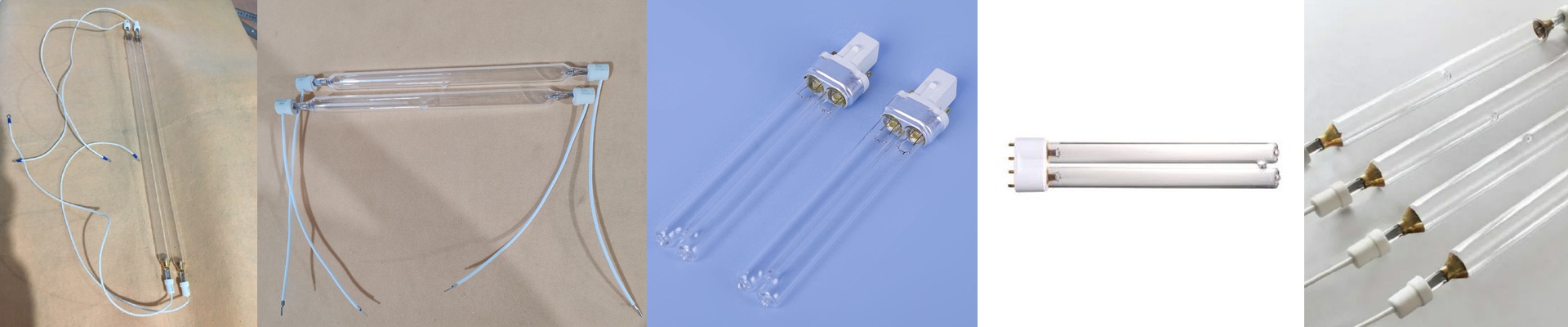
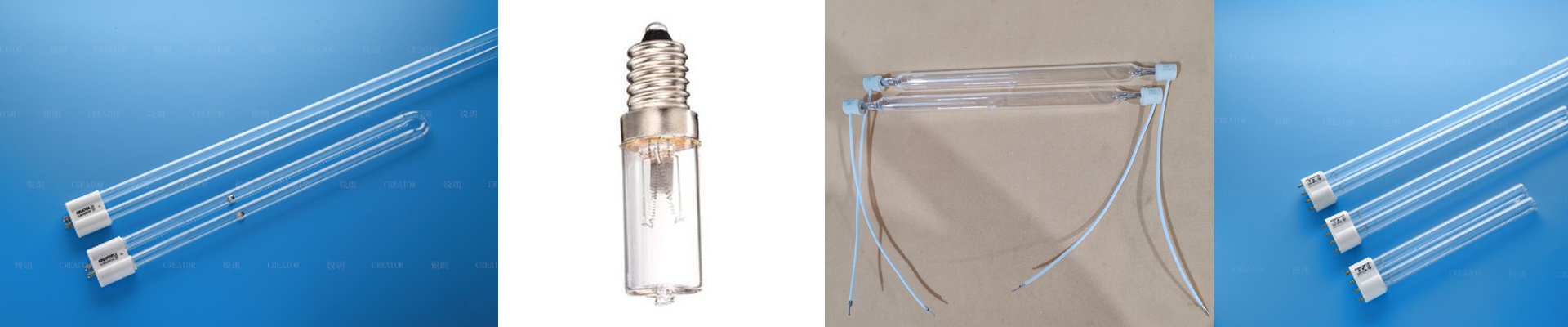
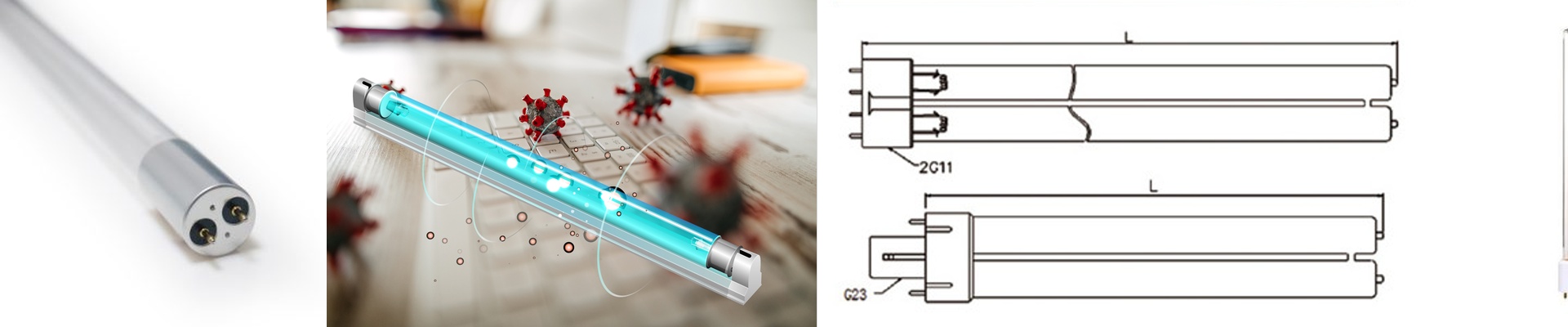
Nobody wants to spend three days rebuilding a cell just to swap a lamp. That’s why we build these units to be “drop-in” replacements. We keep the mounting brackets and electrical plugs standard so you can get them running without a headache. We also use modular power supplies, which makes it easy to tweak the wavelengths. And to keep your plastic housings from melting, we use quartz glass with special coatings. It lets the UV energy through but blocks the infrared heat.
The Reality of Heat and Wear
Here is the thing about high-intensity UV: it gets hot. Really hot. You can’t just bolt in a high-power lamp and hope for the best. You need a plan for that heat. Whether it’s heavy-duty fans or water-jackets, you have to pull that heat away from the bulb. If the lamp overheats, the lifespan plummets. We’ve seen output drop off a cliff the moment the temperature crosses that red line. And keep an eye on your hours. Don’t wait until the parts start failing QC. We usually suggest swapping the tubes once they hit about 80% output. It’s much cheaper to replace a bulb early than to throw away a whole batch of rejected parts.