Getting Your UV Curing Exactly Right (The 0.5% Secret)
Most UV lamps you buy off the shelf are a bit… messy. They throw out a broad range of light, which is fine for basic jobs. But if you’re doing high-precision work? That just doesn’t cut it. We spent a lot of time in the lab obsessing over how to tighten that energy concentration down to a 0.5% tolerance. Why? Because we wanted the photons to hit the target wavelength exactly where the photoinitiator actually reacts. The result is simple: less wasted heat and no more worrying about your substrate warping.
The nitty-gritty of the physics
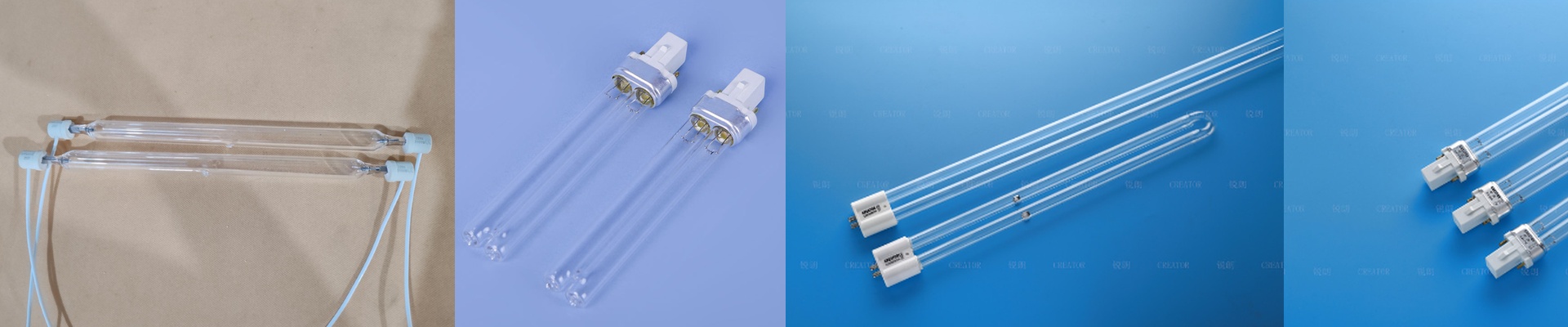
Hitting that 0.5% mark meant we had to tear everything apart and start over—specifically the gas mixture and the quartz envelope. We switched to high-purity synthetic quartz. Here’s the thing: if the glass has too many impurities, it basically “eats” the shortwave UV before the light even leaves the tube. That’s a waste of energy. We also tweaked the electrode geometry. We needed the plasma arc to stay dead-center. If it shifts even a little, your spectral peak moves, and your curing speed tanks.
Dealing with the heat
There’s a trade-off here. When you concentrate the spectrum, the energy density spikes. You get a much more aggressive cure, but the lamp runs hot.Really hot. To keep things from melting down, we added reinforced end-caps so the seals don’t blow out under the pressure. But you’ve got to do your part, too. Make sure your cooling fans or water jackets can actually handle the load. If your airflow is weak, you’re just going to burn through lamps.
Putting it to work on your line
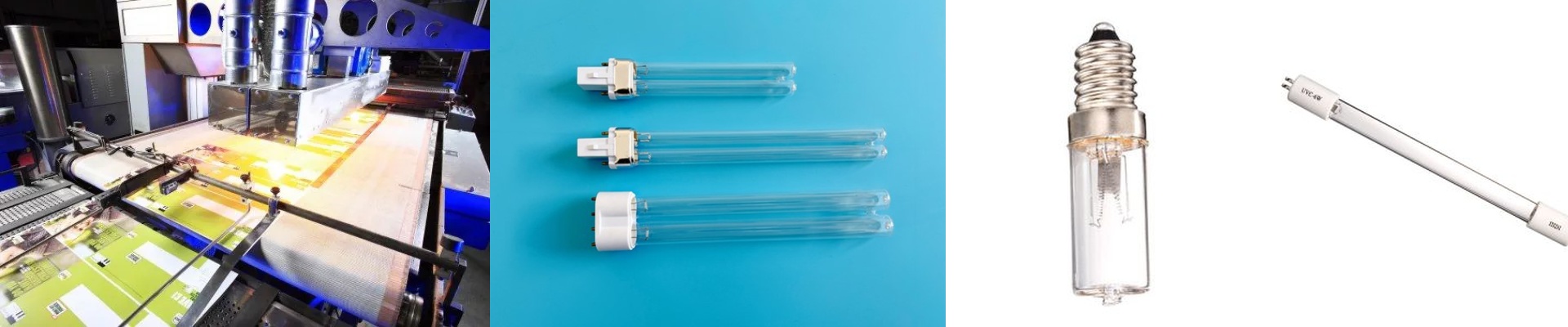
These are designed to be drop-in replacements for electronics potting or precision coatings. Since the energy is so concentrated, you have a choice. You can either shorten your conveyor belt to save space, or slow the line down to make sure there isn’t a single under-cured spot left. Plus, we wired these to handle those annoying voltage dips that happen in a factory. You won’t see the spectral output drift just because the power flickered. It just stays stable. That means your cure rate stays the same from the first part of the morning shift to the very last part of the night shift. Consistent. Reliable. Done.