Getting UV Curing Right for Your Textile Machines
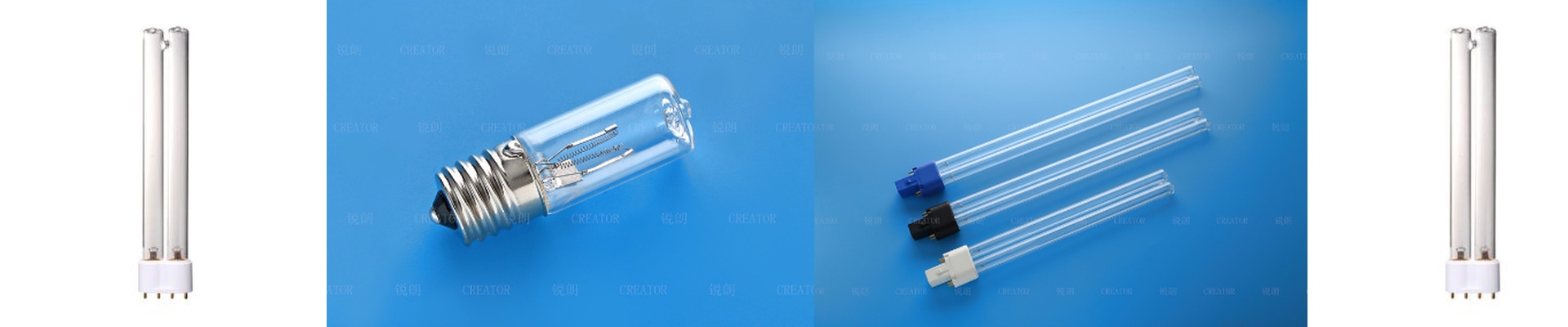
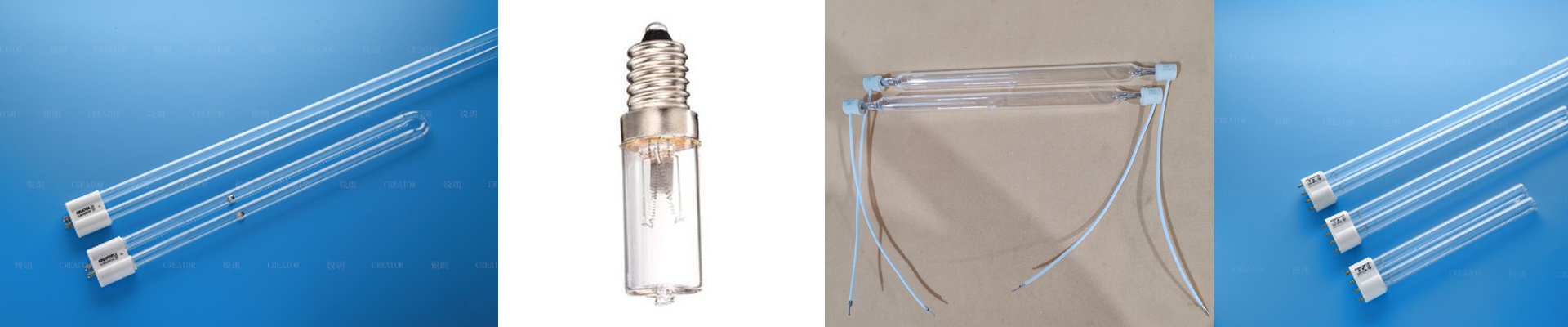
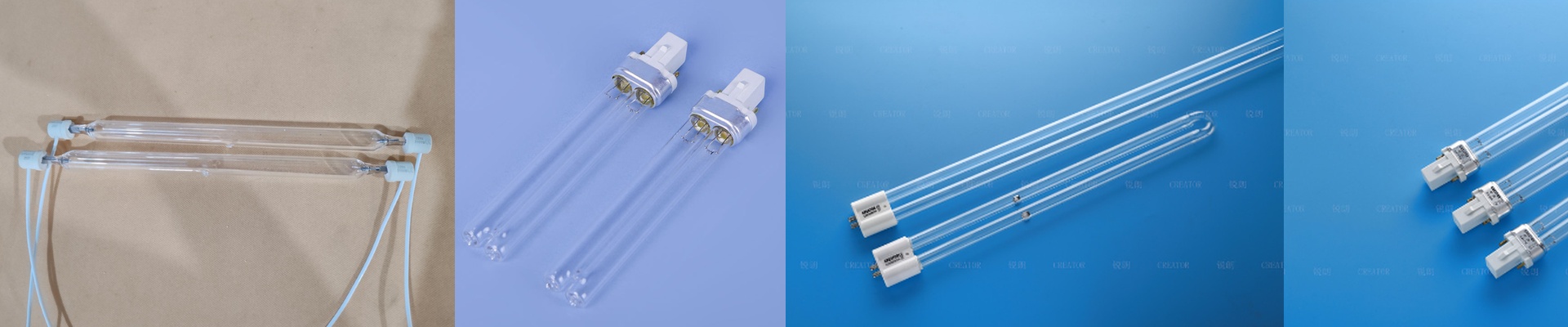
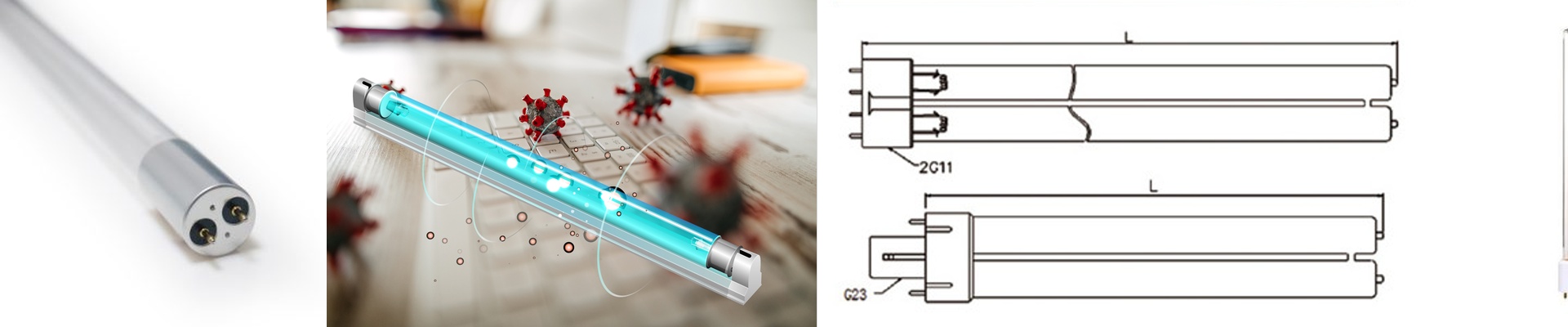
When you’re curing printed fabrics, it’s not just about throwing some light at the material. It’s about hitting the ink with the exact amount of energy it needs to harden instantly. We build our UV lamp arrays specifically for the tricky nature of textiles—where tension is high and fabrics can be incredibly sensitive to heat. The balancing act: Power vs. Heat Here’s the thing: if you don’t get the power density right, you’re in trouble. If the wattage is too low? The ink stays tacky. You get smearing, blurred lines, and a lot of wasted fabric. But if you crank it up too high, you’ll actually scorch the fibers or shrink the material. Nobody wants a garment that feels like it’s been through a campfire. We calibrate everything to hit the sweet spot. The ink sets in a blink, but the fabric still feels soft and natural to the touch. Making it fit (and keeping it cool) We design these lamps to slide right into your existing high-speed lines without a fight. But there’s a catch: high-output UV lamps get hot. Really hot. Along with the UV rays, you’ve got a lot of infrared heat dumping into your system. If you don’t manage that, your quartz envelopes will degrade and your output will tank. That’s why we focus heavily on cooling—whether that’s forced air or water-cooled jackets—to keep things stable and running smooth. Built for your specific setup Every machine is different, and we get that. If you send us your CAD files, we’ll build to your exact footprint. We can handle custom lengths, weird connector configurations, whatever you need to make it work. We use high-grade quartz because industrial cycles are brutal, and you don’t want your lamps burning out every few weeks. One quick tip: it’s tempting to push for maximum intensity to speed up the line, but remember that puts a lot of stress on your ballasts. Make sure your electrical input can handle that initial startup surge. Otherwise, you’ll be tripping breakers every time you flip the switch on a cold start.