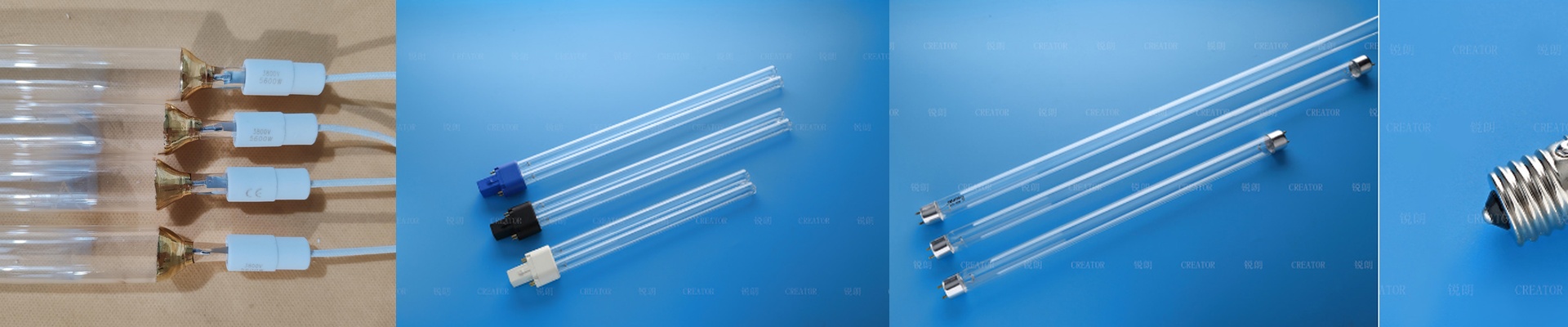
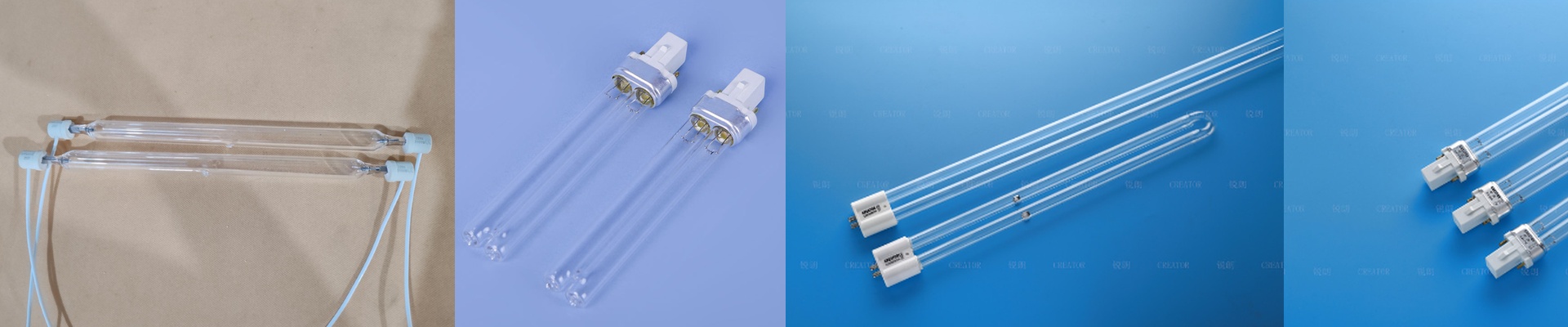
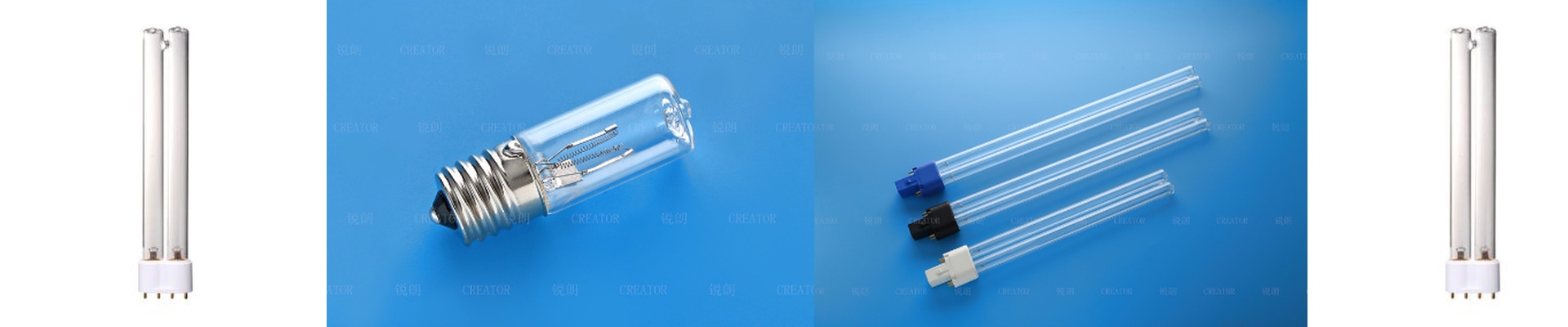
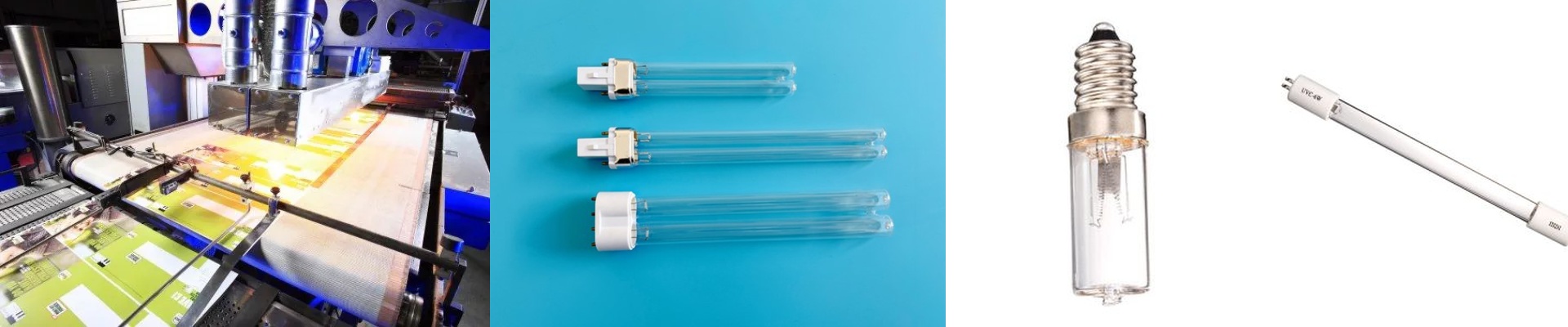
Getting the Most Out of the 80W/cm Mercury UV Lamp
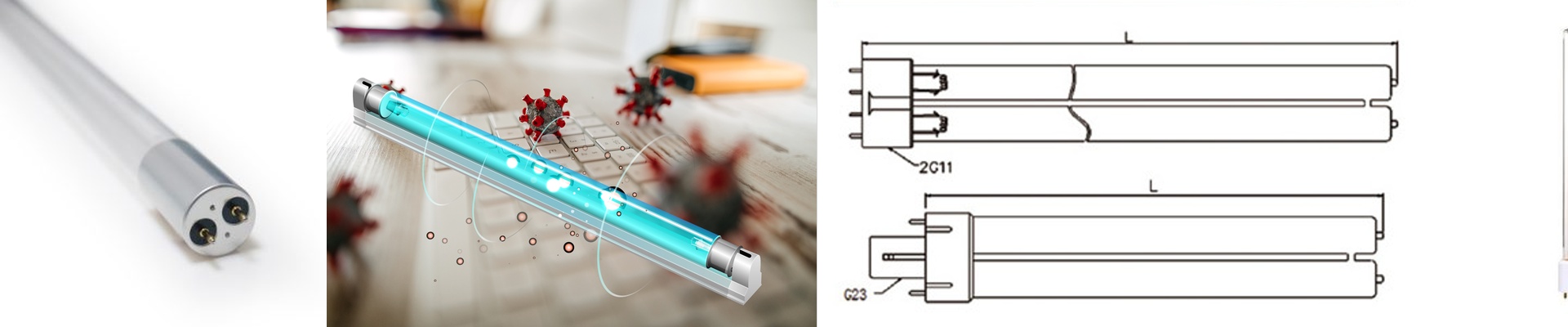
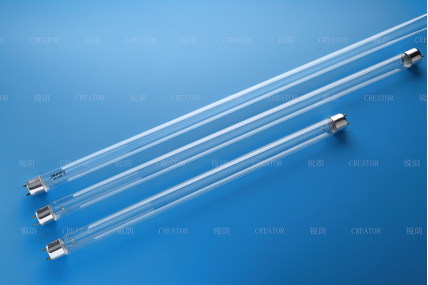
If you’ve spent any time in industrial curing, you know mercury lamps are the real workhorses. When we talk about an 80W/cm lamp, we’re basically talking about the “punch” the lamp packs per centimeter. It’s all about getting enough energy onto your substrate to make those coatings and inks snap into place quickly, without accidentally melting your conveyor belt in the process. The heat factor Here is the thing: 80W/cm is a lot of power. If you have a 100cm lamp, you’re pulling 8kW. That’s a heavy lift for your electrical system. You’ll want to double-check your ballasts and wiring—nobody likes a voltage drop in the middle of a run. And then there’s the heat. High power means fast curing, but it also means a lot of infrared heat. If you’re working with materials that can’t take the heat, don’t wing it. Pair these lamps with a chilled mirror or some high-velocity air. Otherwise, you’re looking at bubbles in your coating or, worse, warped parts. Why mercury? We stick with mercury vapor because of that strong peak at 254nm. It just hits differently. It digs deeper into thick films than LEDs usually can. We wrap everything in a specialized quartz envelope that can handle the internal pressure and heat while letting the UV light slide right through. Setting it up and keeping it running These are designed to be simple drop-in replacements. They fit right into most standard curing lines and hold their own against the big-name brands. You’ll feel the difference the moment you check your “tack-free” time—the resin just sets faster. But remember, these lamps don’t last forever. They fade. My advice? Keep a close eye on your hours. Once the output dips, your cure rate slows down, and that’s when the under-cure headaches start. Swap the tubes out before your QC team starts rejecting your batches. It’s a much cheaper fix than wasting a whole run of product.