Stop Dealing With Smeared Prints: A Better Way to Handle Industrial UV Curing
Ever watch a printing line run at full tilt and realize the ink isn’t actually drying? It’s a nightmare. You’ve got substrates flying by, and standard UV tubes just can’t keep up. The result is uncured ink and a lot of wasted material. We’ve spent a lot of time fixing this. The trick isn’t just “more power”—it’s about building a custom module where the quartz and the gas fill are tuned specifically for the ink you’re using.
The Real Deal on Quartz
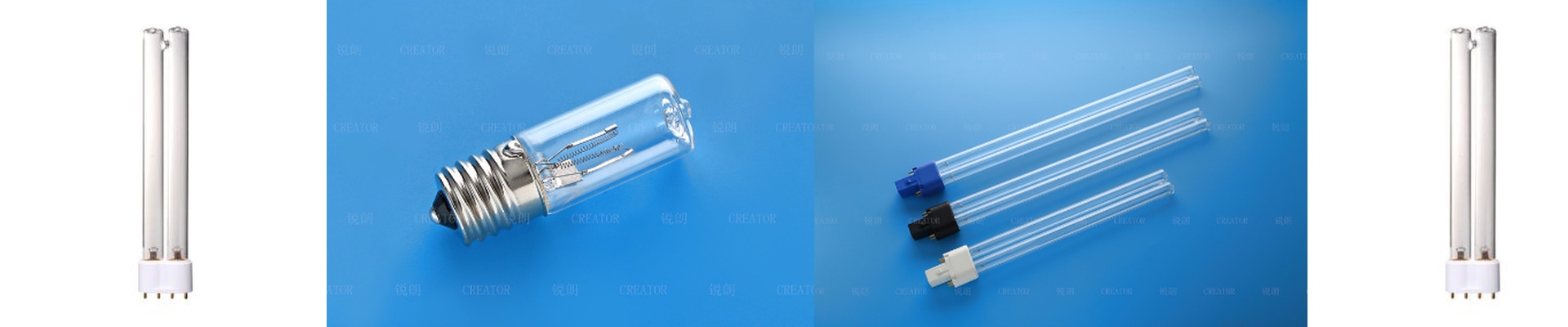
We use high-purity fused quartz. Why? Because it lets the UV light through without fighting it, and it doesn’t crack when you flip the power on and off rapidly. When we’re designing a module for a press, we’re looking at the photon flux. Basically, more wattage means more “punch” to get those photo-initiators in your ink moving faster. But here’s the catch:heat. If you cram too much power into a short tube, things get hot. Fast. If your fans or water cooling aren’t up to the task, you’ll end up with degraded quartz or, worse, melted sockets. It’s all about balance.
Fitting It Into Your Workflow
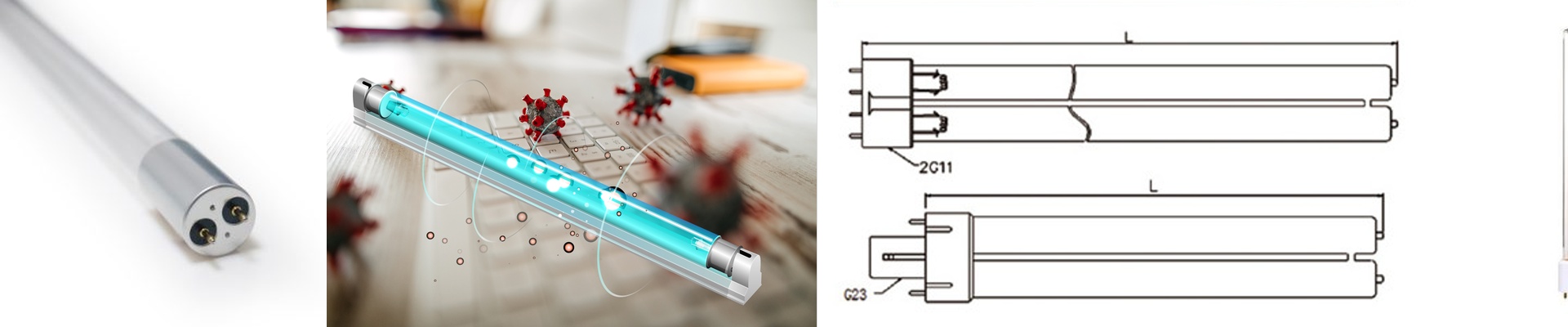
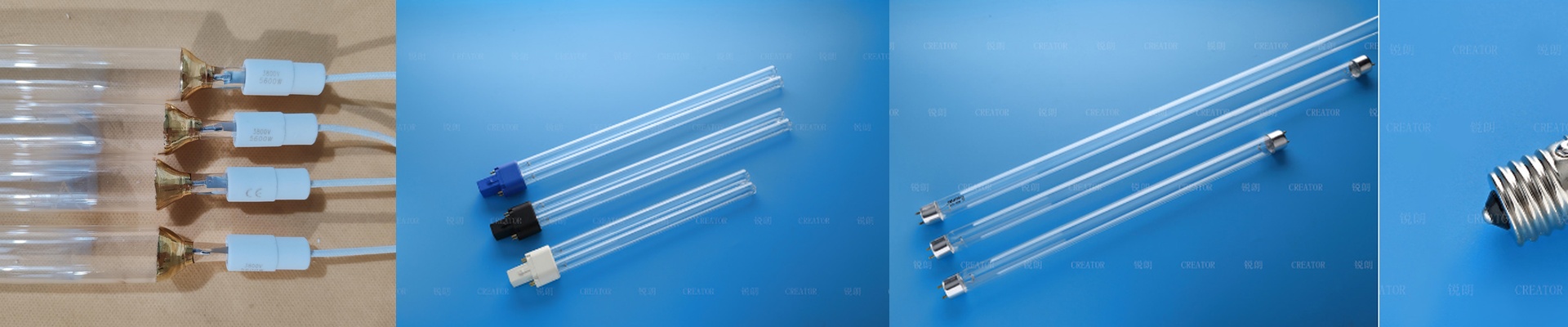
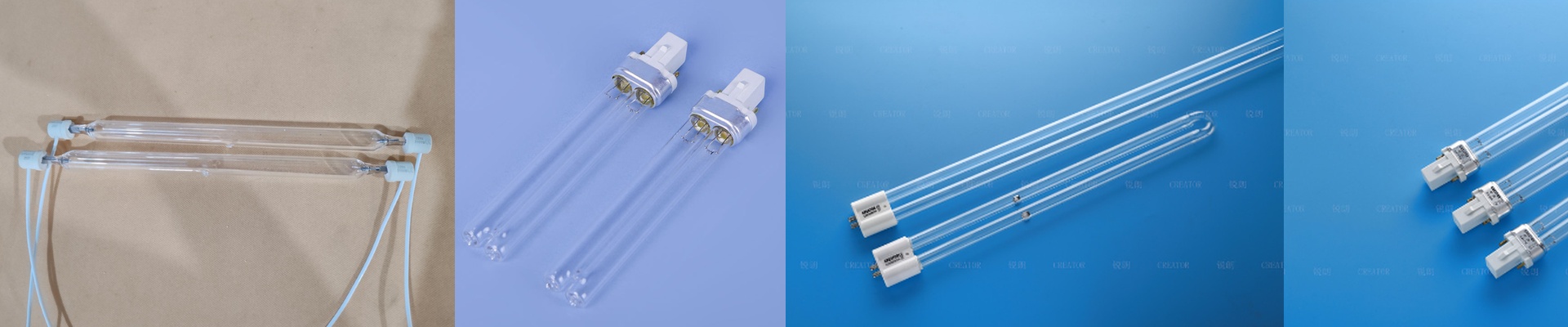
A bare tube is rarely the answer. You need a system. We build our lamps into modules with reflectors that bounce every bit of UV light back onto the substrate. No wasted energy. We can also tweak the length and diameter so they slide right into your existing machine. It’s a simple swap. We also obsess over the small stuff. Heavy-duty connectors to stop high-voltage arcing (which is a great way to burn out a lamp) and tight seals on the end-caps. If gas leaks out, your lamp dies. Simple as that.
What Happens on the Floor
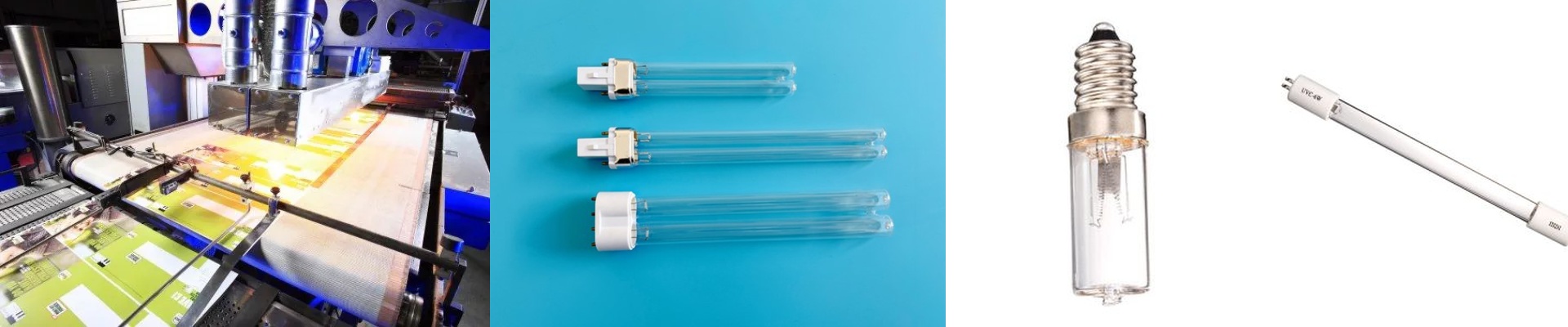
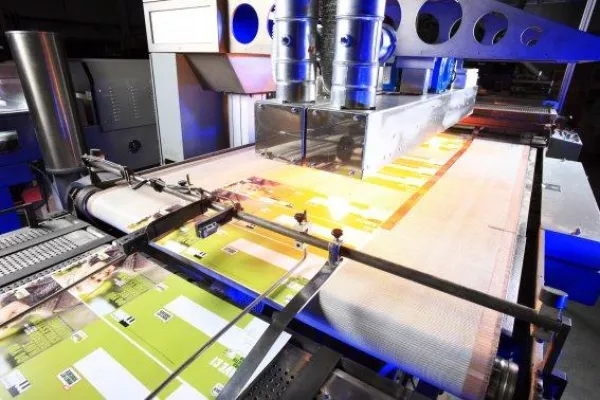
When these are running, the difference is obvious. You get a consistent cure across the entire width of the web. The best part? When we match the lamp’s output to the ink’s specific absorption peak, you actually don’t need as much power. That means your substrate doesn’t warp from the heat, but the ink is bone-dry the second it hits the conveyor. It just works.