Getting Your Textile Curing Right
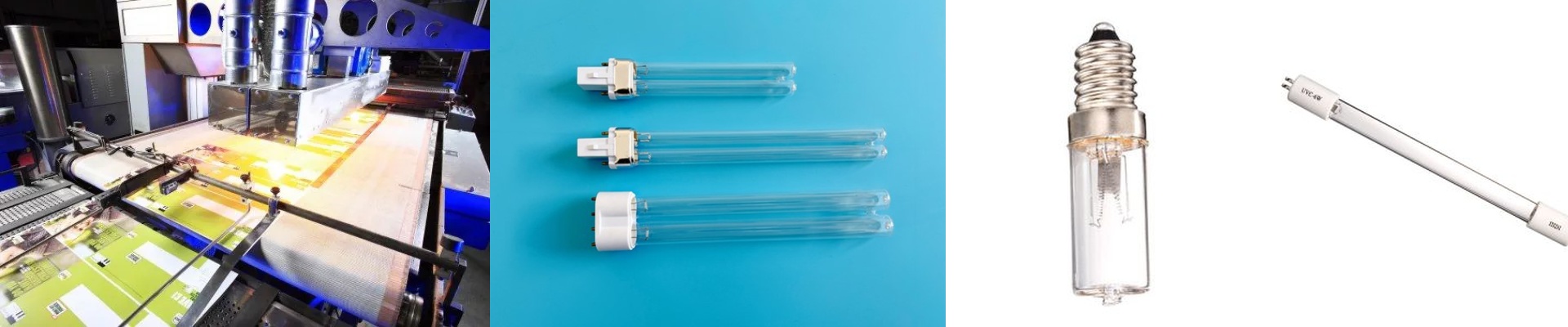
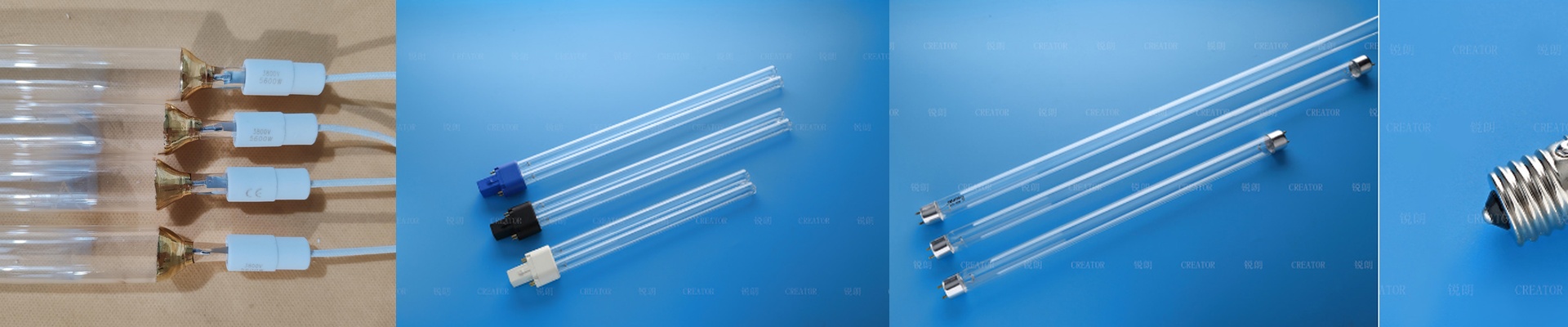
We make mercury vapor UV lamps, but really, we make sure your ink stays where it’s supposed to. In textile printing, speed is everything. If that ink doesn’t set the second it hits the fabric, you’re looking at smudges and bleeds. It’s frustrating, and it wastes material. Our lamps hit the fabric with concentrated short-wave radiation to trigger that chemical reaction instantly. No mess. No ruined fabric.
The nitty-gritty of how they work
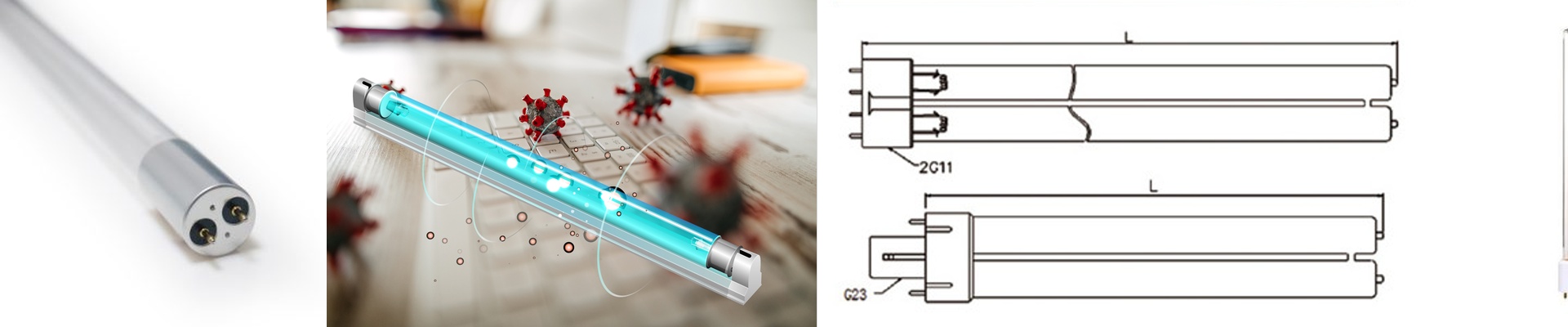
Here’s the thing about mercury lamps: they excite mercury atoms to pump out UV radiation (mostly UVC and UVB). We build ours to keep that output steady across the whole tube. Why? Because nobody wants “cold spots” on their print. When you pair these with a high-frequency ballast, you get a stable arc. No flickering. Just a clean, constant stream of power. It all comes down to power density. We push the wattage so the ink cures in milliseconds while the fabric is flying down the conveyor. Just a heads-up: make sure you double-check your conveyor speed against the lamp’s mW/cm² output. You don’t want to find out the hard way that you’re under-curing.
Quartz and the heat struggle
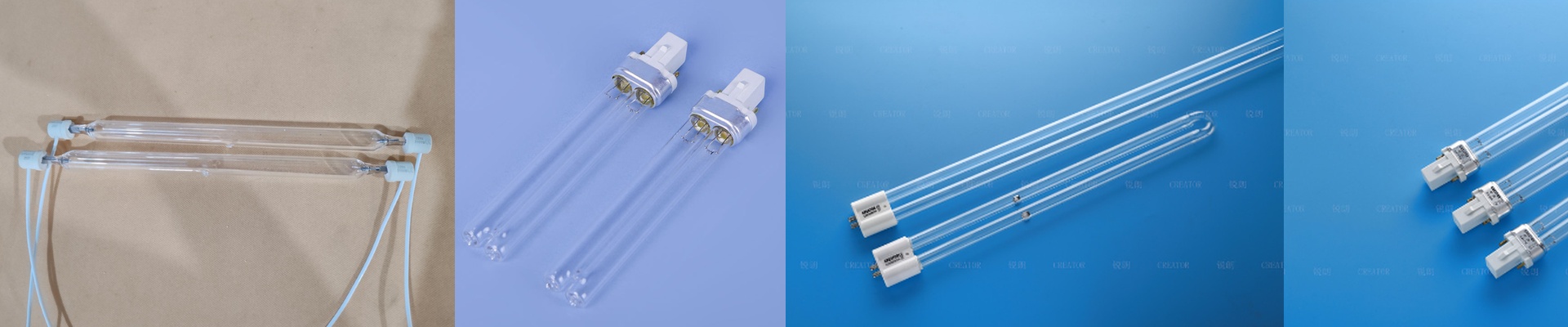
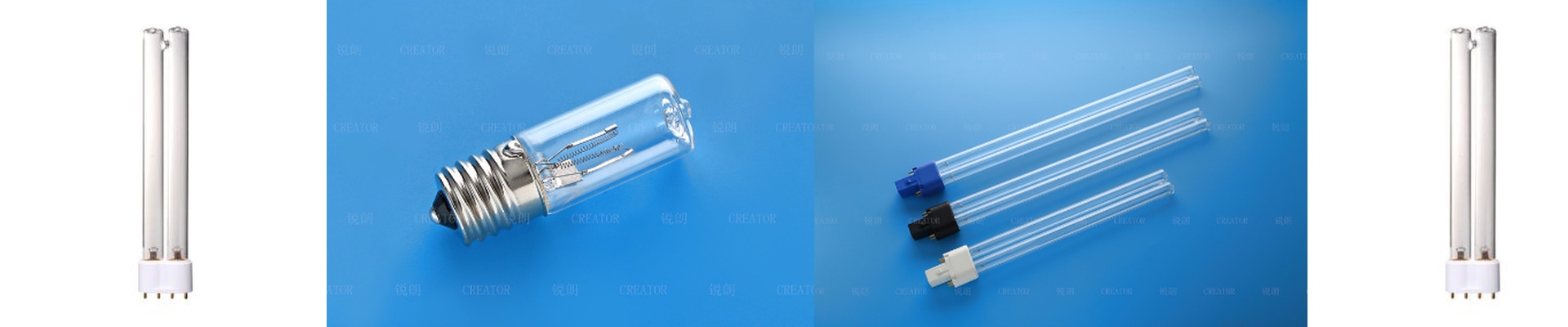
We use high-purity fused quartz for the envelopes. Standard glass is basically a wall that blocks UV, but quartz lets it fly right through. Plus, these tubes have to be tough. They expand and contract every time you start and stop the line, so they need to handle that stress without cracking. But there is a trade-off: heat. While the UV does the hard work of curing, the infrared byproduct is a bit of a nuisance. It can shrink or even scorch delicate synthetics. To fix this, we suggest using a chilled mirror or a focused reflector. It bounces the UV exactly where it needs to go and vents the heat away from your fabric.
Fitting them in and keeping them fresh
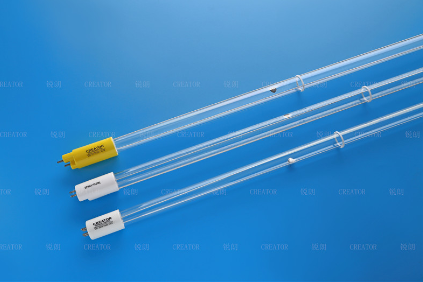
Our lamps are designed to be simple drop-in replacements for most industrial presses. We keep the tolerances on the end-caps tight so the electrical connection is solid. One pro tip: keep an eye on your hour meter. Mercury degrades over time. Even if the lamp still looks blue and “on,” the actual UV output starts to dip. Swap them out before your cure rate drops and you start seeing those smudges again.