The Real Talk on Gallium Iodide UV Lamps: Heat, Legal Headaches, and How to Actually Use Them
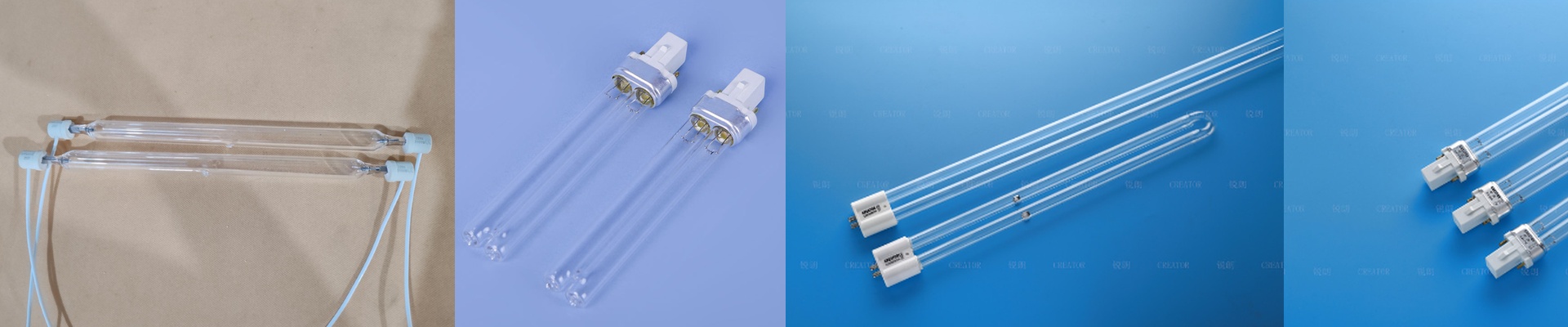
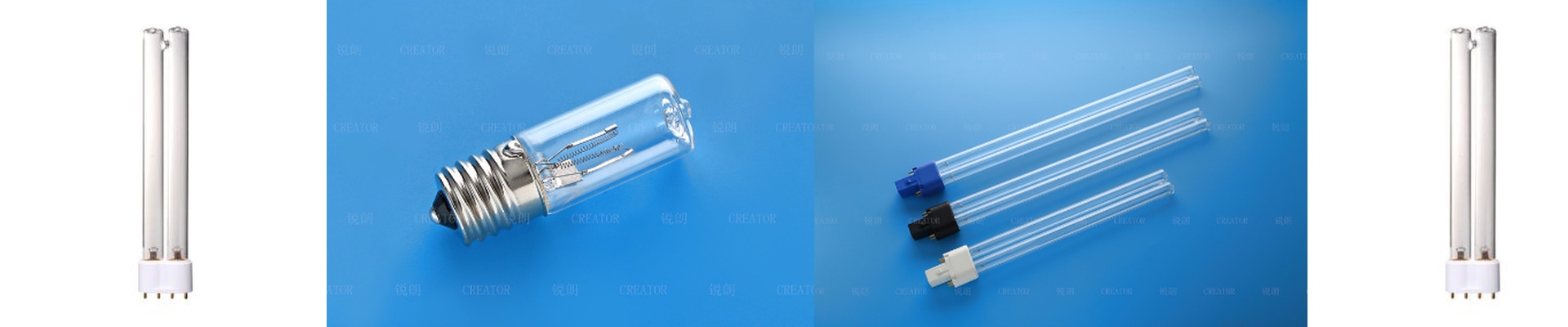
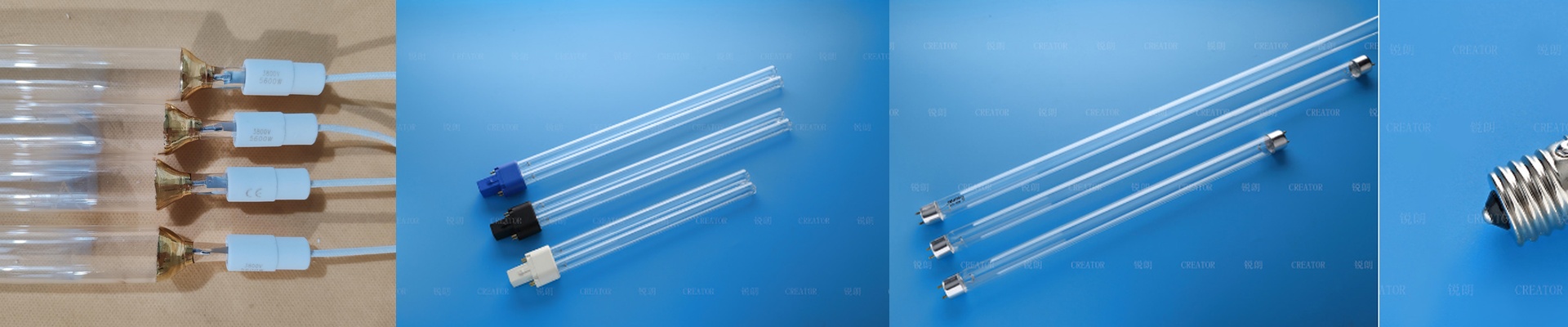
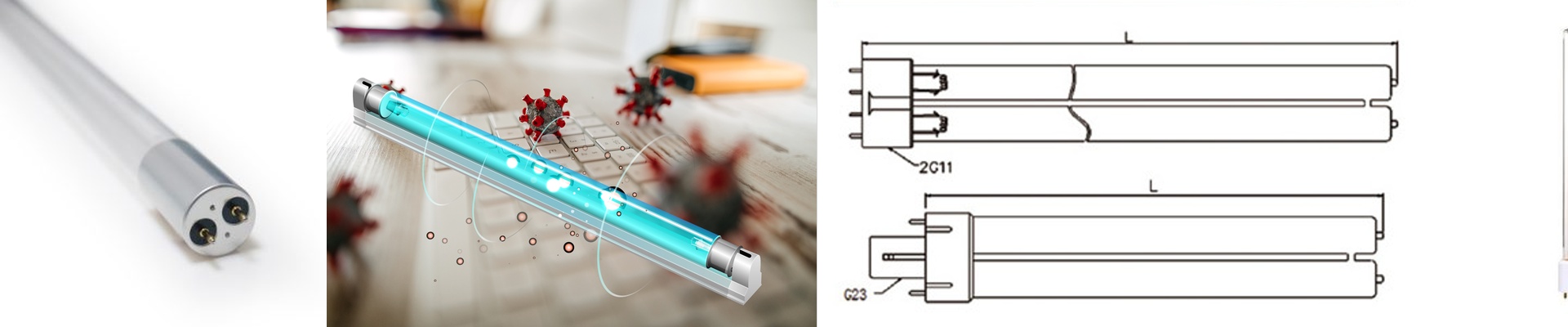
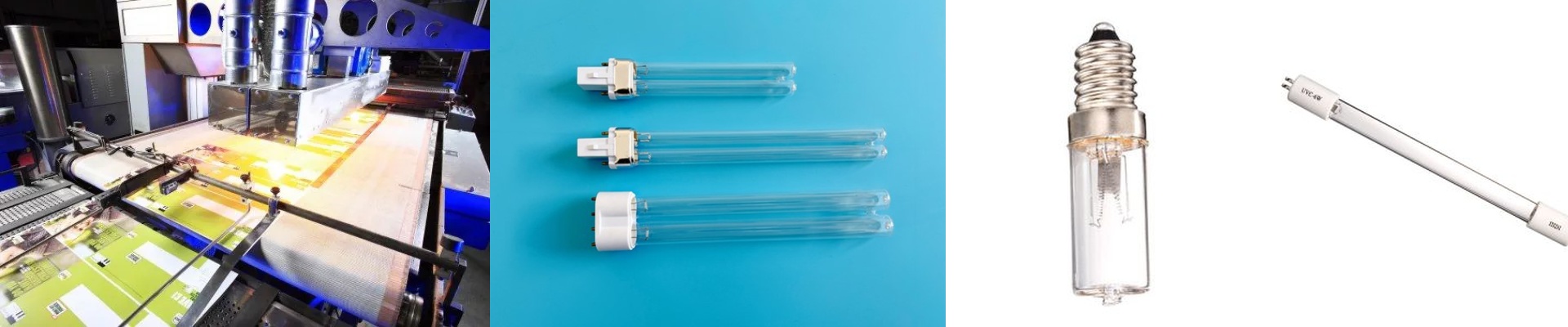
If you’re looking at custom gallium iodide lamps, you probably already know they hit that sweet spot between 254nm and 365nm. That’s where the real magic happens for photochemical reactions. But here is the thing: the chemistry inside those lamps doesn’t just dictate the light—it decides how long the lamp actually lasts before it quits on you. Let’s talk about the build. We use high-purity quartz because, frankly, the internal pressure and heat are brutal. Gallium iodide packs a much harder punch than your standard mercury lamps. You get a concentrated beam of energy that shreds through curing or sterilization cycles in record time. But there’s a catch. All that power means these things runhot. Really hot. If your cooling setup isn’t up to the task, you’re going to see the quartz cloud over or the electrodes burn out way sooner than they should. It’s a classic case of “too much of a good thing” if you don’t manage the heat. The “Legal” Side of Things (The Boring but Scary Part) You might hear people talk about “proprietary technology,” but let’s be honest: when you’re exporting, this is just about staying out of trouble. Customs agents in the US and EU don’t mess around with intellectual property. If you import a batch of lamps that step on someone else’s patent, your shipment gets seized. Just like that. Your money is gone, and your production line is sitting silent. That’s why we spent the time to get our own patents on the gas-filling process and the electrode geometry. It means when our lamps hit the border, they’re “clean.” No lawsuits, no hold-ups, no nightmares. Making it Work in Your Shop On paper, these are drop-in replacements. In reality? You’ll probably need to tweak a few things. Because the spectral shift is different, your sensors might get confused. We’ll give you the exact spectral curve so you can dial in your conveyor speed. It’s a bit of a trade-off. You’ll get your products through the line faster than ever, but you’ve got to keep a closer eye on the UV intensity. If you aren’t careful, you’ll end up over-curing your substrate, and nobody wants that.