Growing Your UV Brand with Custom Gallium Iodide Lamps
Here is the deal with Gallium Iodide lamps: they’re all about that sweet spot of UV radiation, usually hitting between 350nm and 450nm. If you’re buying wholesale or building your own brand, you know the bulb itself is only half the story. The real magic happens in how we tweak the specs to actually fit your curing or drying line.
Getting the Power Right
We build these to handle whatever voltage or wattage your setup needs. It’s simple: more wattage means more photons, which means your curing happens faster. But you’ve got to be careful. Your voltage needs to play nice with your ballast. If you shove too much current through a tube that can’t take it, you’ll fry the electrodes in no time. To stop that from happening, we carefully balance the gas fill and gallium levels. That way, the light stays steady and reliable for the entire life of the lamp.
The Build and the Connections
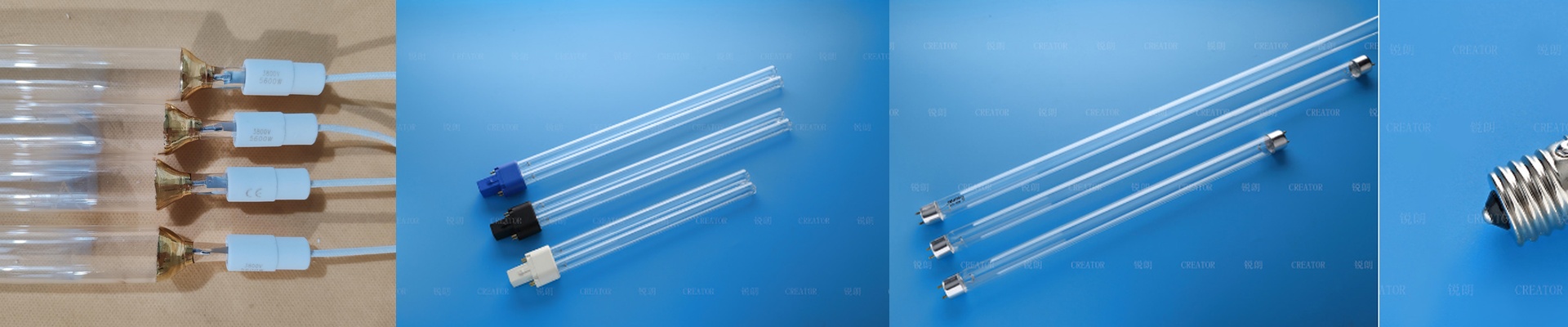
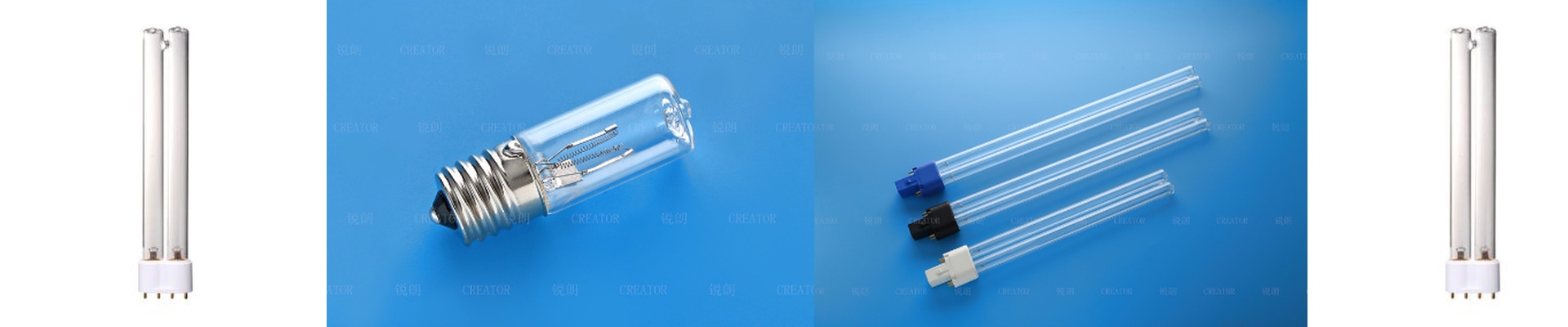
We use high-purity quartz glass because we don’t want the glass soaking up the UV light you’re trying to use. Depending on your shop, you might need special coatings. Maybe you need to shift the wavelength a bit, or maybe you just need to protect the glass from chemical splashes on a messy factory floor. As for the plugs? We can do the standard stuff or build something totally custom. Whether you need a simple drop-in replacement or a weird, proprietary pin setup, we’ve got you. We weld the leads securely so they don’t snap or loosen when the lamp heats up and expands.
Making it Your Own (and Keeping it Cool)
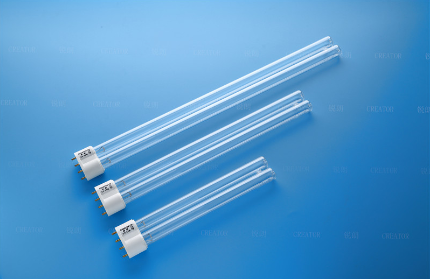
Our OEM service is basically us doing the heavy lifting on the physics while you put your logo on the box. We can shave the length or change the diameter to make sure it slides perfectly into your machine’s chassis. But a word of warning: these high-intensity lamps gethot. Really hot. If you go for a high-power spec, make sure your fans or water jackets can actually move that heat away. If they can’t, you’re looking at warped reflectors, and that’s a headache nobody wants. We’ll hand over all the technical data sheets so you can wire everything up and double-check the output with a radiometer before the product ever hits your customer’s door.