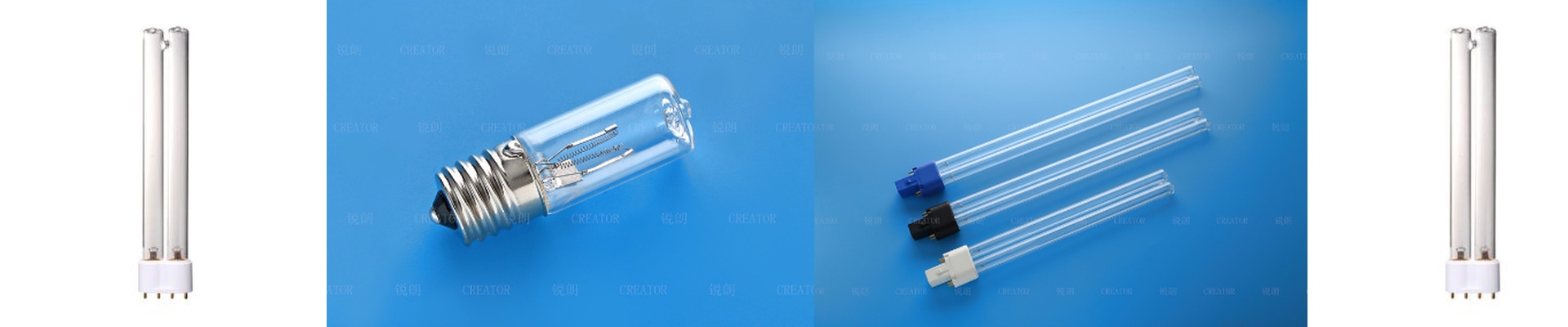
Getting Your UV Spectrum Exactly Right
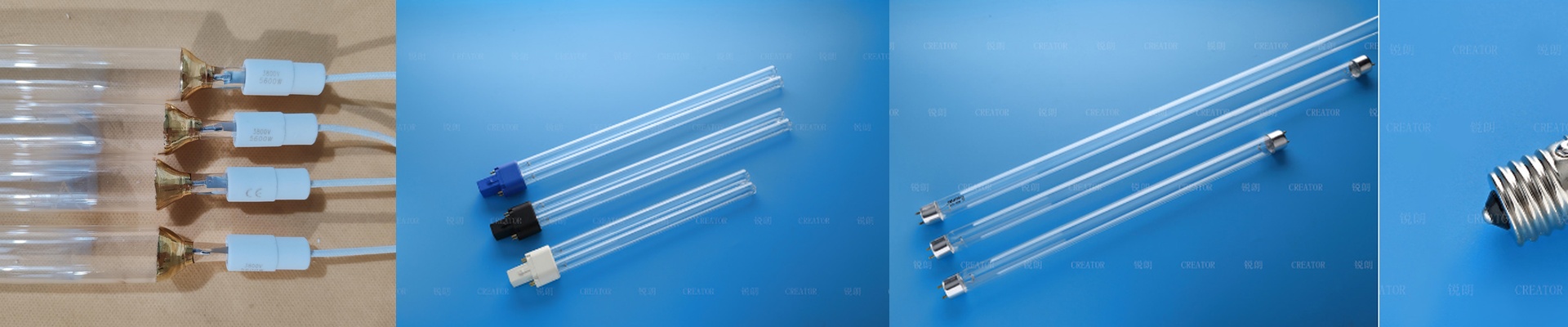
Most wholesale mercury lamps you’ll find are “good enough.” They throw out a broad spectrum that works for basic curing. But if you’re chasing a 0.5% spectral energy concentration, those standard bulbs just won’t cut it. We spent months obsessing over the gas mix and the purity of the quartz just to hit that tiny, specific window. It wasn’t easy, but it was worth it.
The Trick to Concentrating Energy
We’re mainly looking at those 254nm and 365nm peaks. To get them tight, we have to play with the mercury vapor pressure inside the tube. It’s a delicate balance. Too much pressure and your peaks get fat and sloppy. Too little, and you lose your punch. We measure the fill rate down to the milligram. Why? Because we want your photons hitting the photoinitiators in your resin directly, rather than wasting your electricity on useless infrared heat.
Dealing with Heat and Glass
We use high-purity synthetic quartz. This stops that annoying “solarization” where the glass starts to cloud up after a few hundred hours. It keeps your output steady. But there’s a catch. Concentrating that much intensity creates a lot of heat at the arc. If your cooling fans aren’t up to the task, you’re going to burn through your lamps way too fast. We really suggest a forced-air system to keep that envelope under 200°C. Trust me on this one.
Putting Them to Work
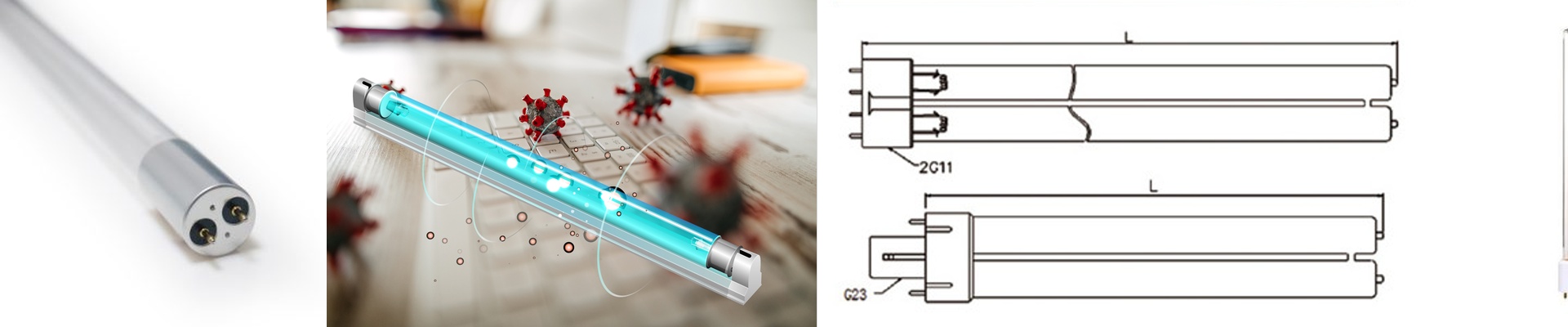
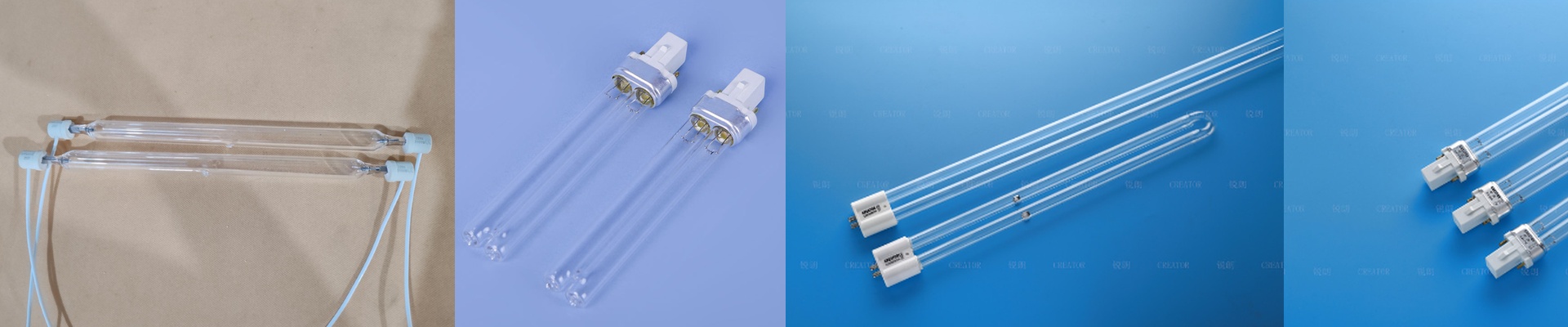
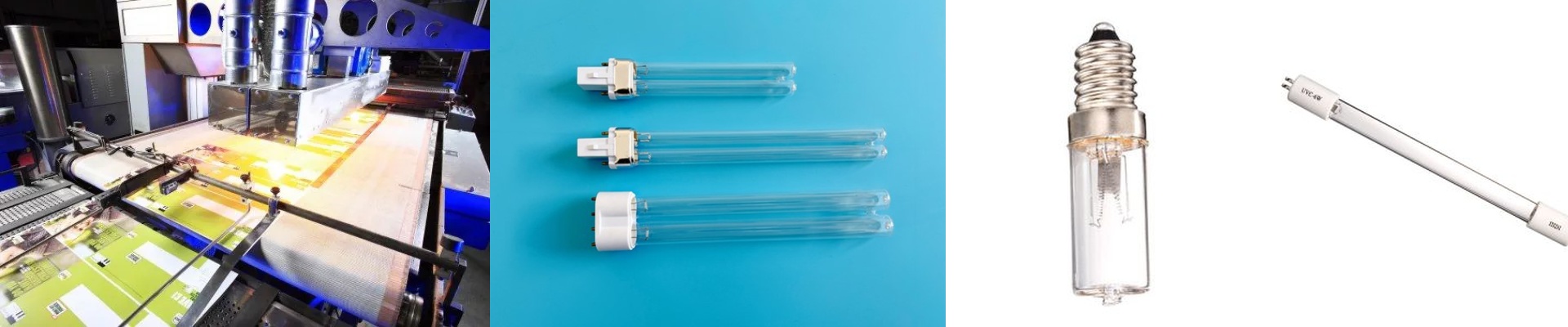
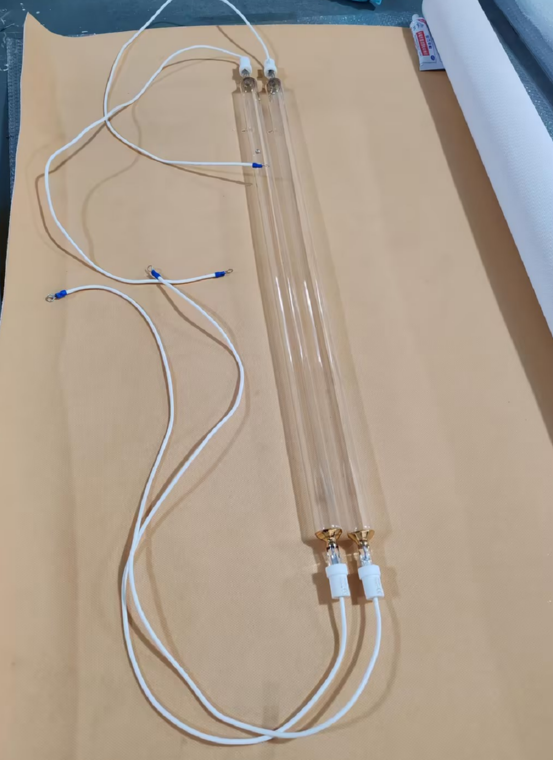
The good news is these are drop-in replacements. We kept the footprints standard, so you don’t have to mess with your reflectors or rewire your ballast. Just swap them in and go. One quick tip: keep an eye on your voltage. If your power fluctuates by even 5%, it can shift your spectral peak. When that happens, your curing speed drifts, and suddenly your quality control is a headache. We built these for the high-volume lines where every single second counts. You get a tighter spectrum, your line moves faster, and you stop throwing away wasted material.