Getting UV-C Right Without Risking Your Team
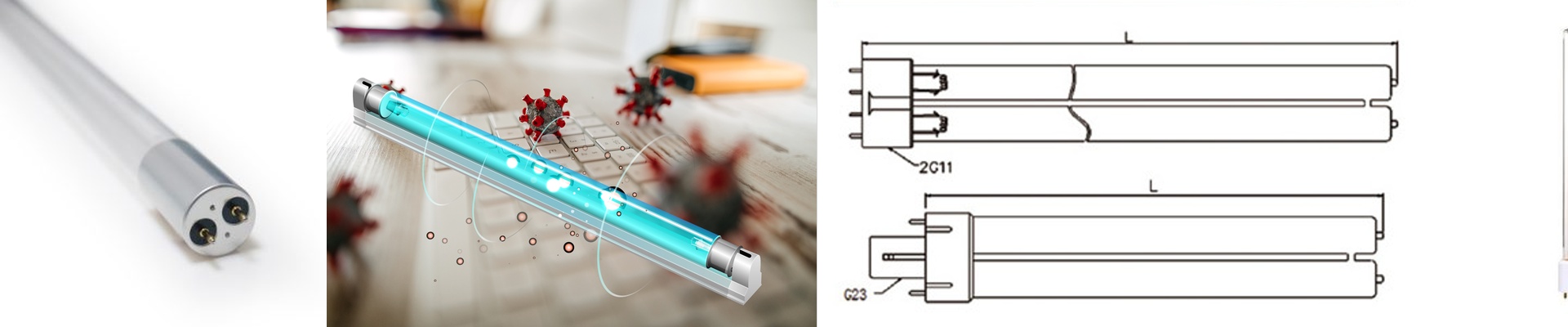
Here is the deal with UV germicidal lamps: they work by hitting microbes with shortwave radiation (usually right around 253.7nm) to break their DNA. It’s incredibly effective, but if you’re running this in a busy factory, you can’t just wing it. You need gear that actually keeps the radiation where it belongs.
The Guts of the Operation
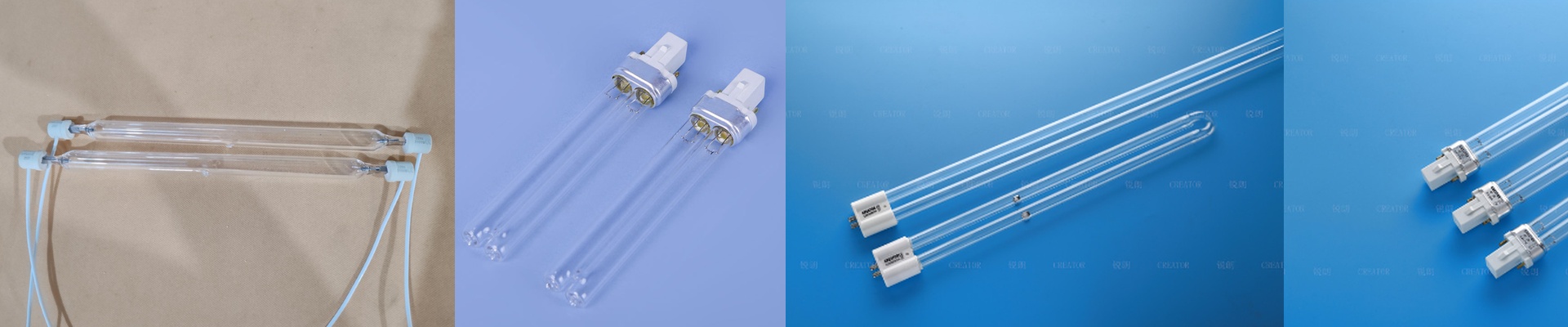
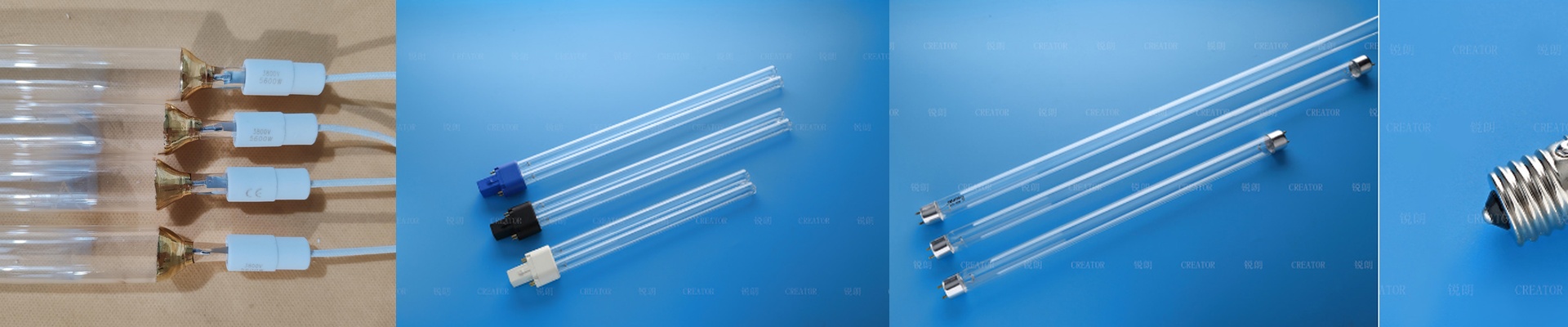
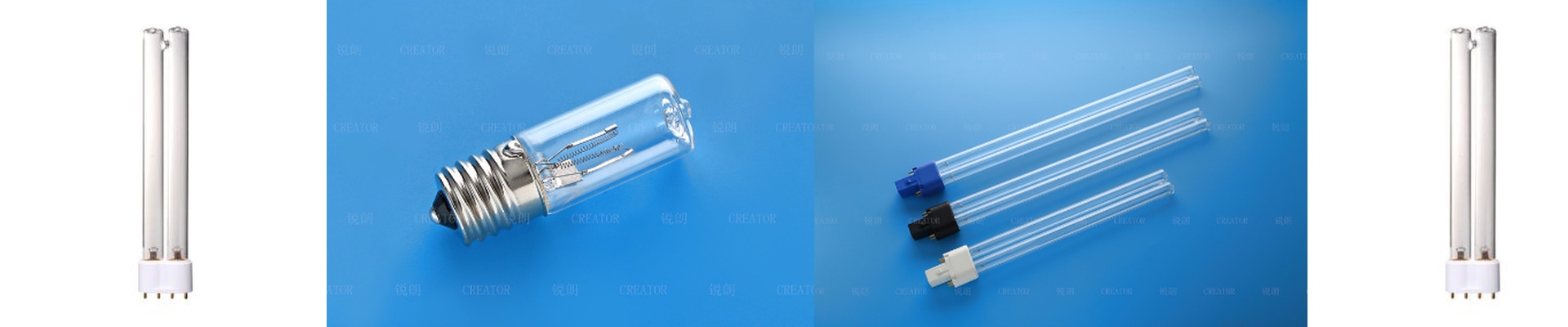
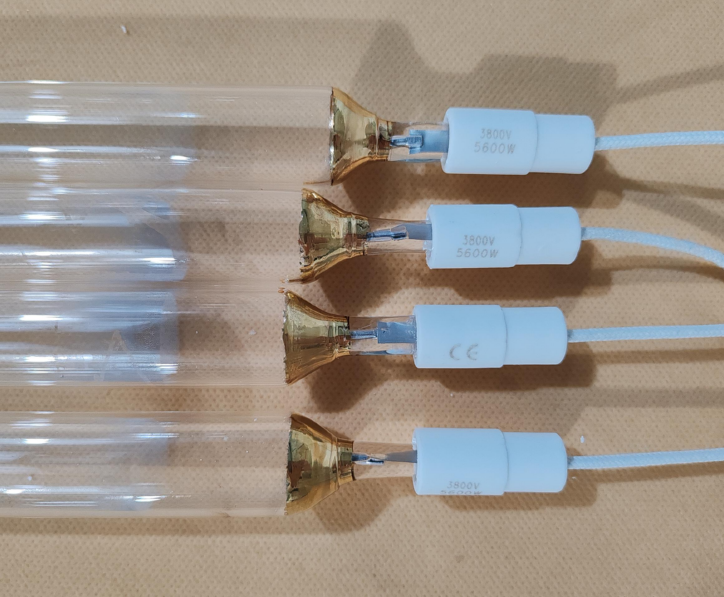
We build our lamps to take a beating. Industrial cycles are brutal, so we use a standard ballast system to keep the current steady. Why? Because a random voltage spike is a great way to fry your electrode. And please, don’t skimp on the glass. We use high-purity quartz because cheap glass basically acts like a wall, blocking those 254nm waves. If you use the wrong glass, you’ve basically just bought an expensive, glowing stick that doesn’t actually clean anything. But the bulb is only half the story. The housing is what actually keeps your people safe. You need fail-safes that kill the arc the second someone steps into the zone. Skin burns and eye damage aren’t things you want to deal with on a Tuesday afternoon.
No One Likes Waiting Six Weeks
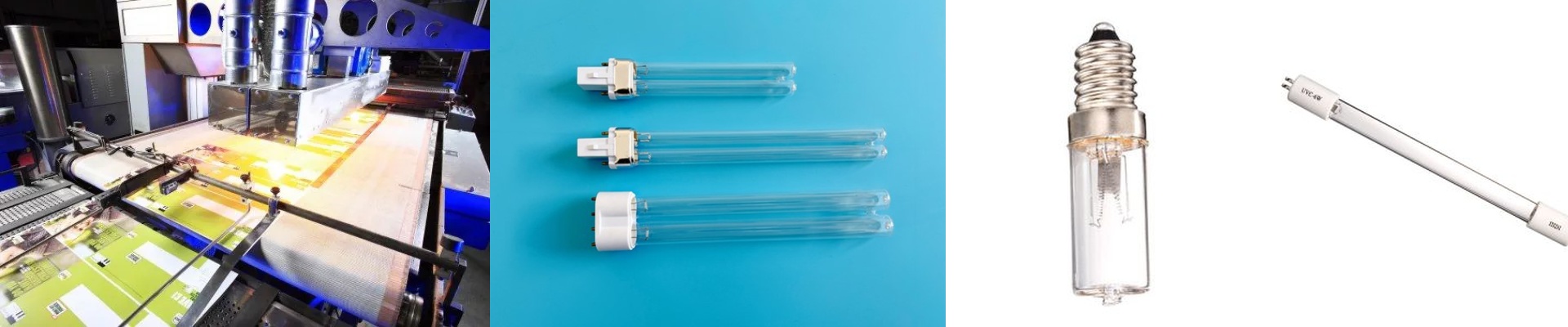
We’ve all been there. A product goes viral on TikTok or Amazon, your orders skyrocket, and suddenly you need more capacity. You can’t afford to wait over a month for a custom batch of lamps while your production line stalls. That’s why we keep a massive stock of standard tubes and connectors ready to go. You get a replacement that just drops right into your existing setup. No tinkering, no custom brackets. We stock the most common wattages so you can scale up your output basically overnight.
The Honest Truth About Lifespan
There is a bit of a tug-of-war between power and longevity. Sure, high-intensity lamps kill germs faster. But they also wear out quicker. If you push a lamp to its absolute limit, the cathode takes a hit. Usually, you’ll notice the UVC intensity start to dip after about 8,000 to 10,000 hours. The trick is to keep a close eye on your runtime. Swap them out before the output drops too low, or you’re just running a light show instead of a sterilization process.