Why Gallium Iodide Lamps Actually Matter for Textiles
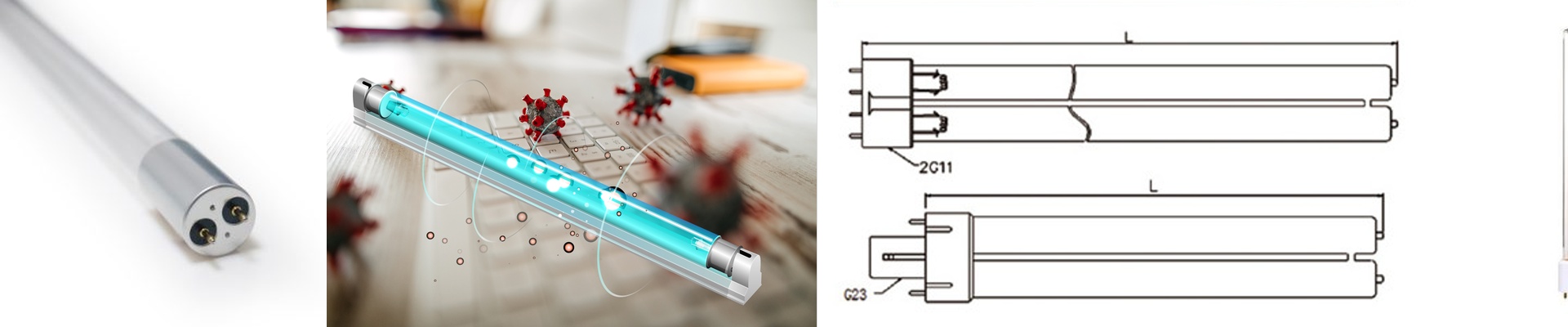
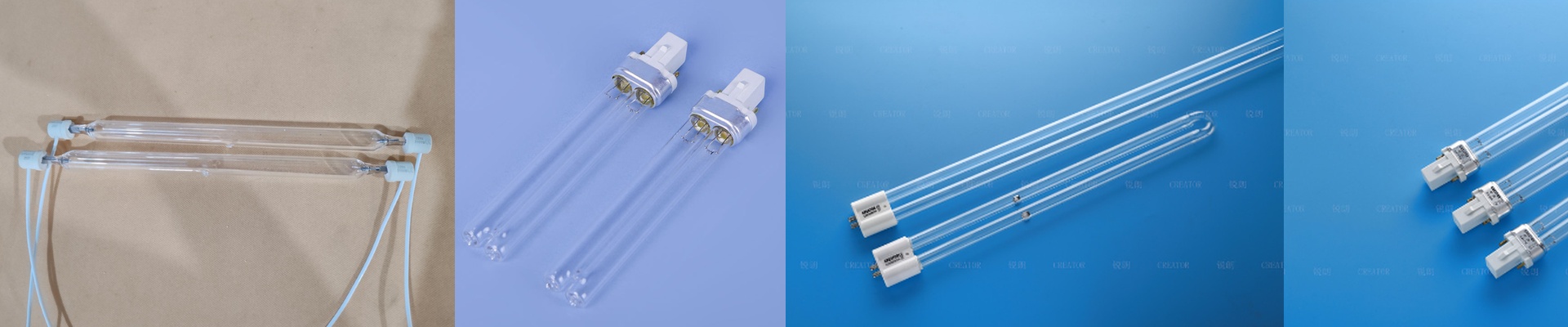
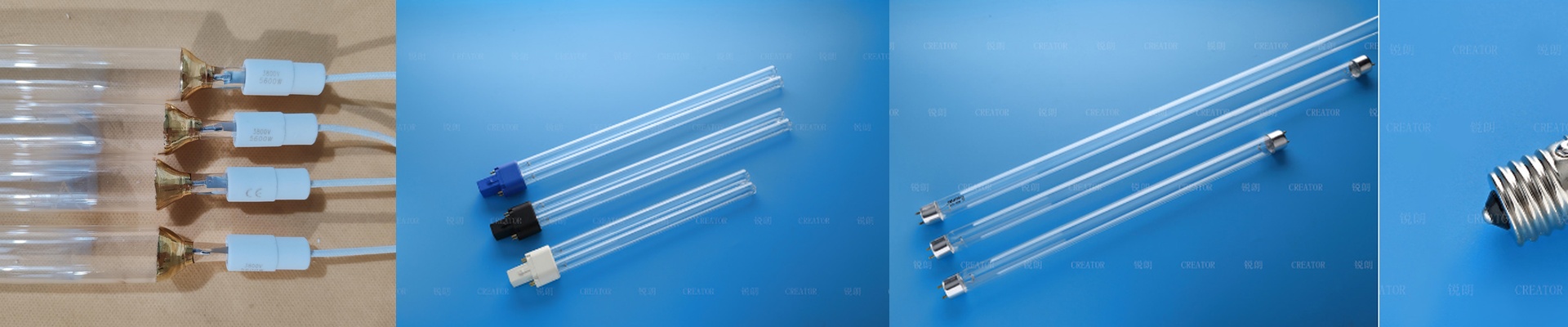
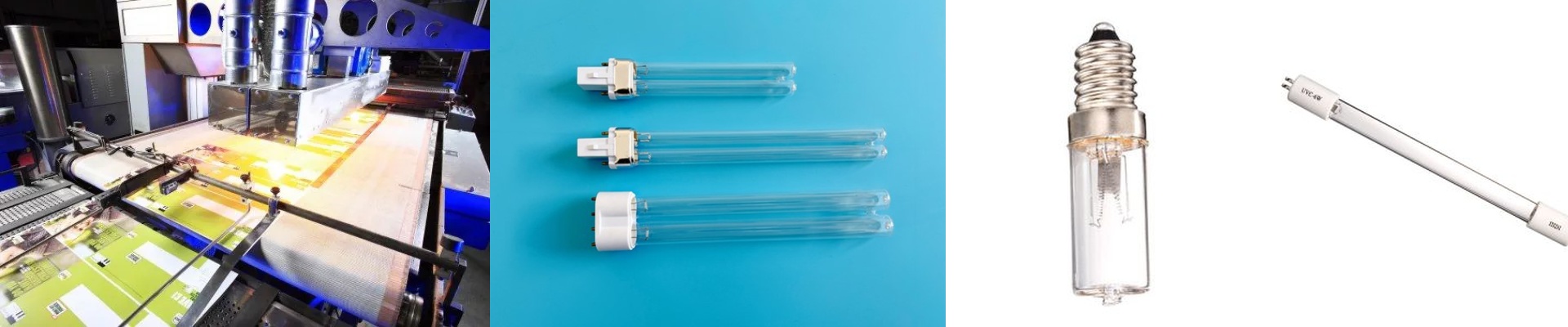
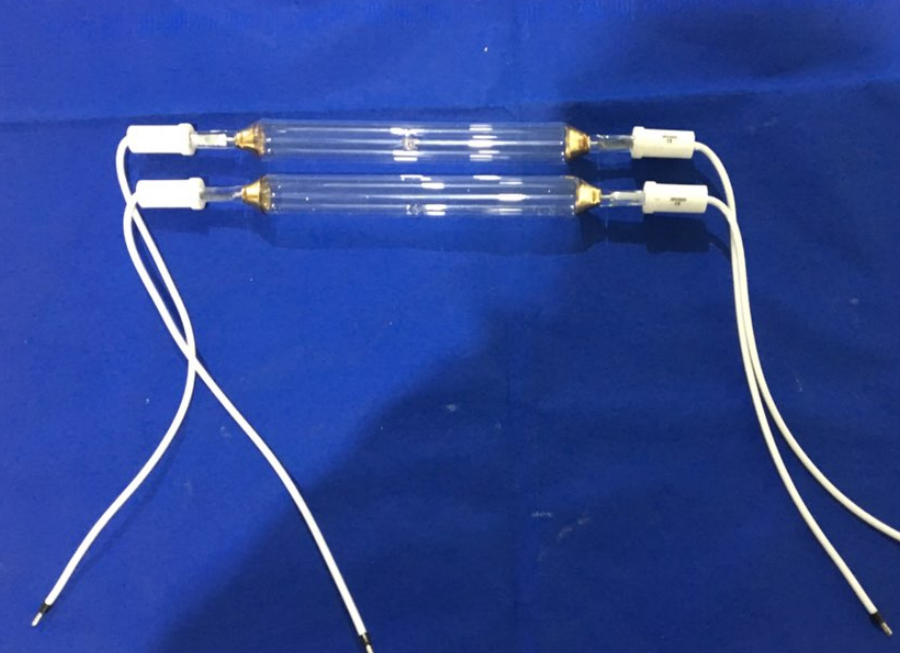
If you’ve ever worked in garment production, you know that UV curing is basically the invisible engine keeping the whole line moving. We lean on Gallium Iodide lamps because they hit that sweet spot in the UV-A and UV-B spectrums. Without that specific light, the specialized inks and coatings we use today just won’t set. Here’s the thing about the physics. Standard mercury lamps are fine for some things, but they often struggle to get deep into thick fabric fibers. By adding Gallium to the mix, we shift the light output. It lets the UV energy actually soak into the material. You get a cure that goes all the way through the ink layer, rather than just “skinning” the top. Trust me, if you don’t hit those wavelengths, your print is going to rub right off the moment it hits the first wash. Nobody wants that phone call from a frustrated client. Getting the hardware right. When you’re fitting these into a conveyor system, space is always a battle. We design these to slide into standard industrial housings, but you’ve got to keep an eye on the power. These high-wattage lamps are hungry. You need a stable ballast, or you’ll get flickering. And flickering leads to those annoying uneven strips across your fabric. Plus, these tubes gethot. Really hot. Make sure your cooling fans can actually handle the heat. If the housing overheats, the quartz envelope gets stressed and burns out way faster than it should. The honest trade-offs. Look, Gallium lamps aren’t a magic fix for everything. They usually don’t last as long as your basic UV lamps. You’ll be replacing them more often. That’s just the reality. But there’s a big upside:speed. Because the intensity is higher and the wavelength is spot on, you can crank up your conveyor speed without worrying about wet ink. You move more product through the machine every single day. For most of us, that’s a trade we’re happy to make.