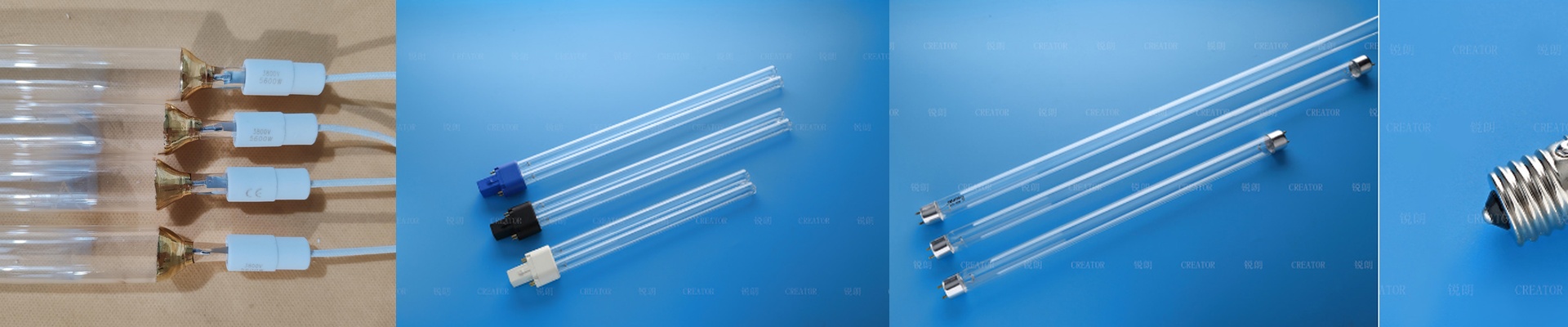
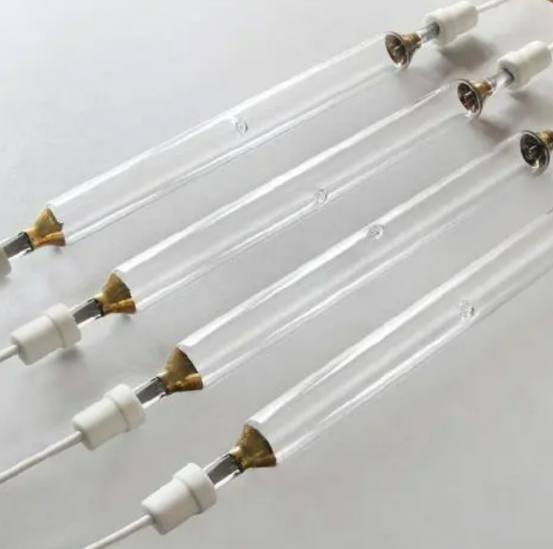
Getting PCB Curing Right with Gallium Iodide Lamps
If you’ve ever dealt with etching failures because your photoresist didn’t cure all the way through, you know how frustrating it is. Standard mercury lamps just don’t always cut it when the resist gets thick. That’s where Gallium Iodide (GaI) lamps come in. They hit a specific UV spectrum that actually digs deep into the material, making sure everything is polymerized from top to bottom. No more guessing if the bottom layer is set. The nitty-gritty on power and light Here’s the thing: these lamps live in that 250nm to 400nm range. When we’re picking a lamp for your setup, we look at the irradiance—basically, how much punch the light has when it hits the board. Want to speed up your conveyor belt? Go with a higher wattage. More photons mean less dwell time. But a quick tip: make sure the lamp length matches your exposure frame perfectly. If it’s too short, you’ll get “edge drop-off,” and your PCBs will be cured in the middle but messy on the ends. Dealing with the heat These tubes gethot. Like, really hot. We use high-purity quartz glass so the tubes don’t crack under the stress, but the heat doesn’t just vanish. If you don’t have a solid air-cooling manifold, you’re risking warped components nearby. And if you’re building your own rig, please double-check your ballast. GaI chemistry needs a specific startup voltage. If the ballast isn’t up to the task, you’ll deal with annoying flickering or, worse, a lamp that burns out way before its time. Building your own brand For the wholesalers out there, we do OEM work. But we don’t just slap a logo on a box and call it a day. We can actually tweak the tube length, the wattage, and the end-cap materials to fit your specific machine. It ends up being a drop-in replacement that feels like it was built for your brand from the ground up. Just keep one thing in mind: there’s always a trade-off. If you crank up the power to blast through production, the lamp won’t last as long. It’s a simple balance between how fast you want to move and how often you want to swap out bulbs.