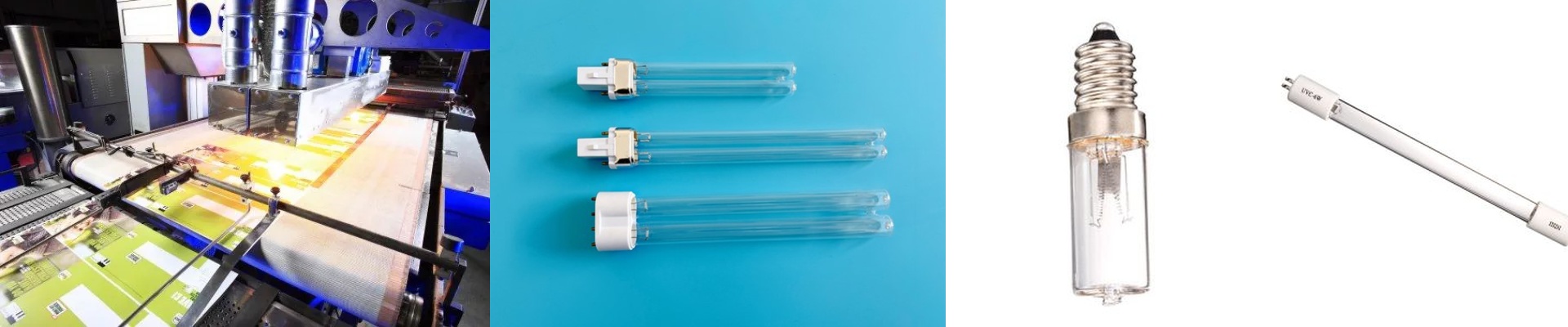
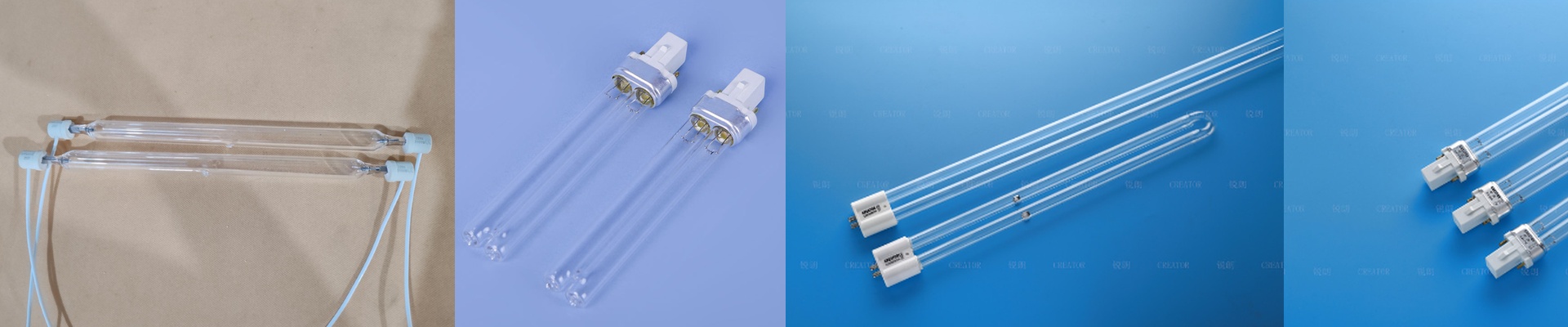
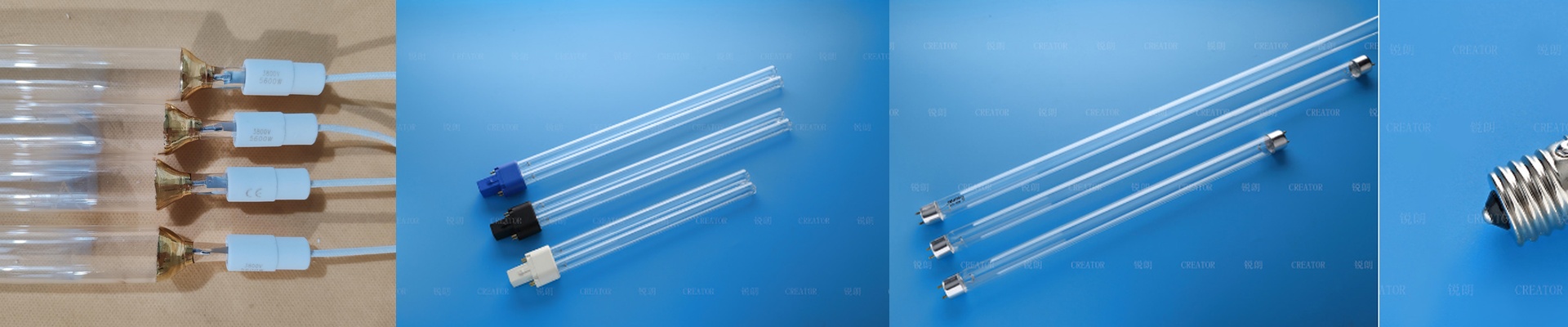
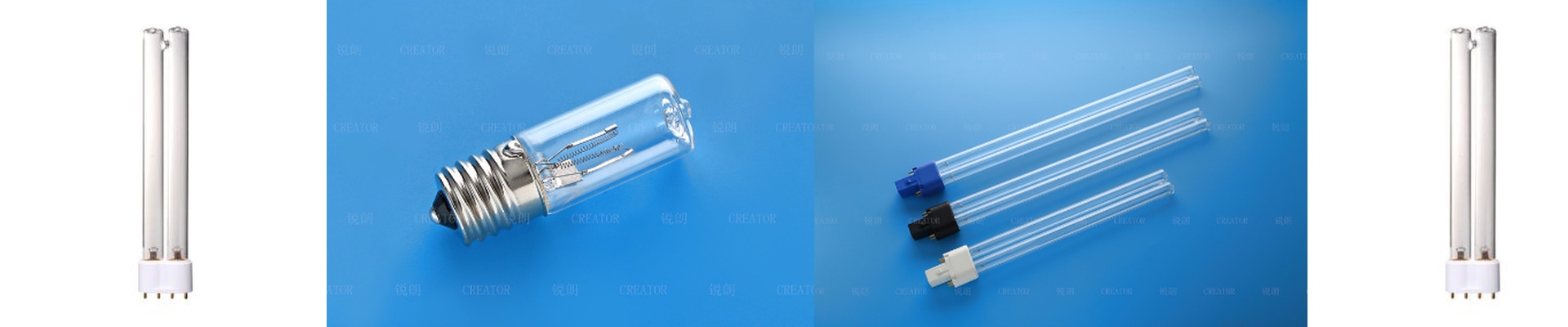
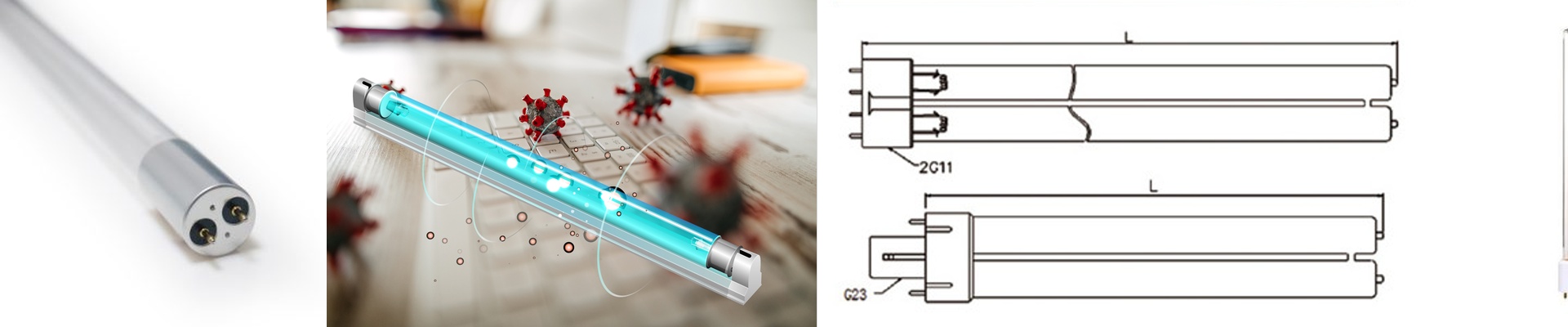
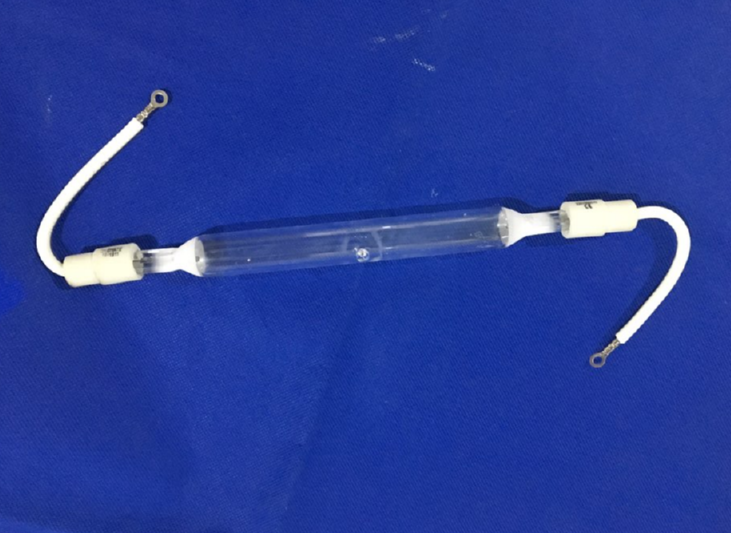
Hitting a 0.5% spectral energy concentration isn’t something we just put in a brochure to look good. It’s a brutal physics problem. When you’re dealing with UV sterilization or curing, the difference between a perfect finish and a tacky, sticky mess usually comes down to one thing: how tightly you can focus that output. The science bit We spent a lot of time in R&D trying to narrow that emission peak. See, most standard UV lamps are “leaky”—they throw energy into wavelengths you don’t actually need. That’s just wasted power and a lot of unnecessary heat. We messed around with the gas mixtures and the electrode geometry until we hit that 0.5% tolerance. Now, the photons hit the substrate exactly where they need to be to trigger the reaction. No guesswork. Dealing with the heat Here’s the catch: when you tighten the spectral output, the energy density at the arc goes through the roof. It puts a massive amount of stress on the quartz envelope. To stop the tubes from bowing or just cracking under the pressure, we had to switch to a much higher grade of fused silica. And a heads-up: if you’re running these at full tilt, make sure your cooling fans can handle the load. If they can’t, you’re just fast-tracking your lamps to burnout. Getting it on your floor We didn’t want you to have to rip out your entire ballast system just to upgrade your lamps. That’s a headache nobody wants. So, we made these drop-in replacements. The electrical footprint is the same as the industry standard, but the internal chemistry is completely different. You get a better cure rate without having to touch your hardware. You’ll notice the cure profile is tighter and your line speeds can pick up. But do me a favor—**clean your reflectors every week.**If dust builds up, it doesn’t matter how precise the lamp is; you’ll lose all that 0.5% precision anyway.