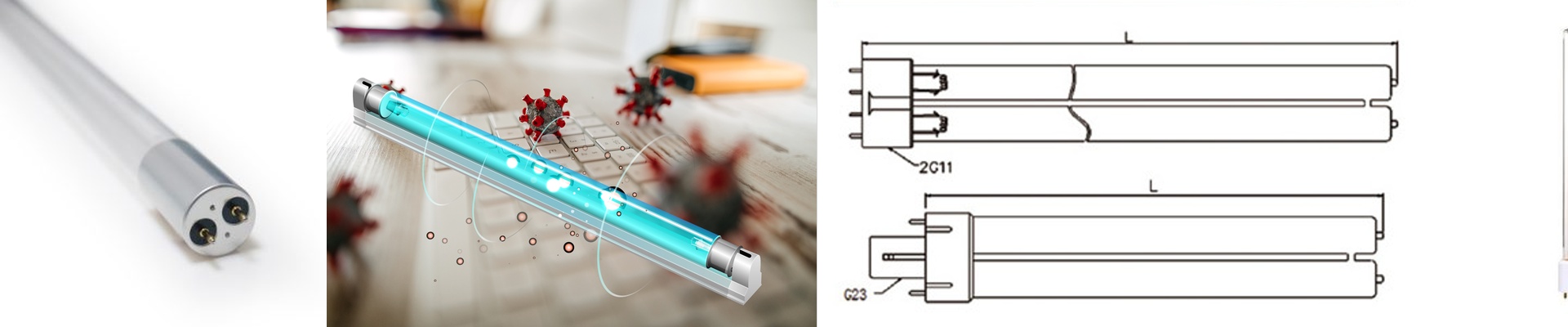
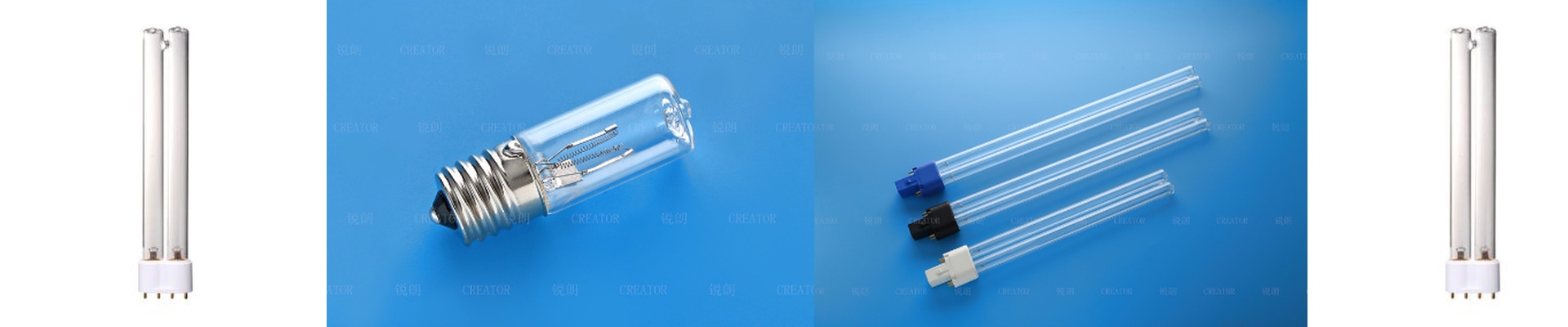
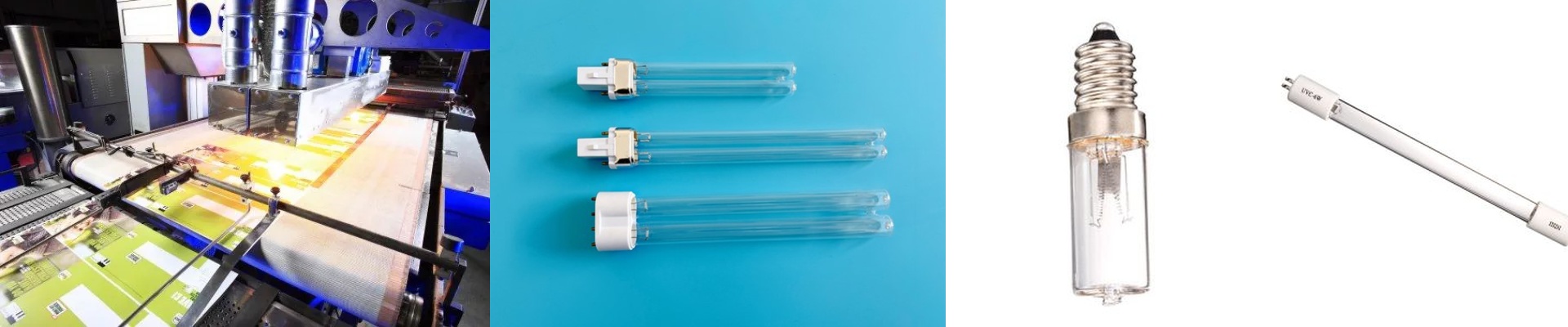
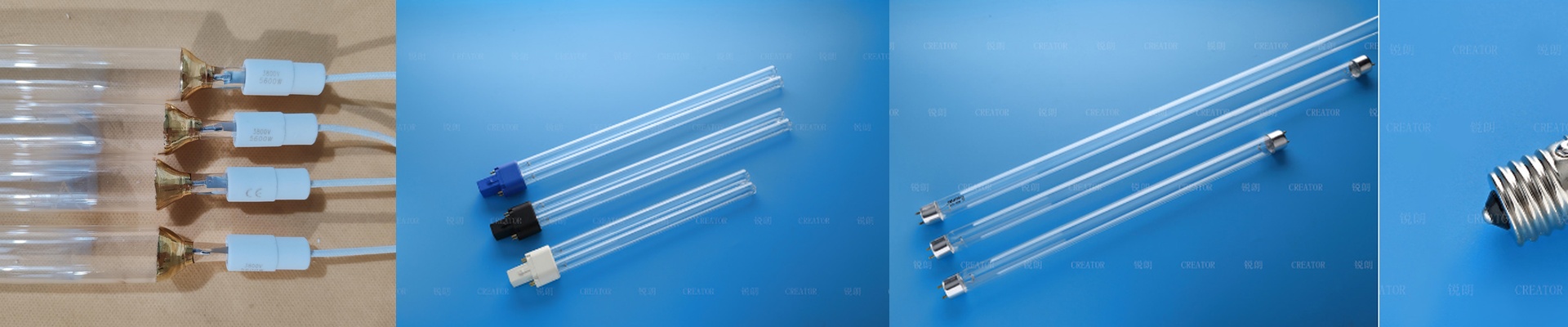
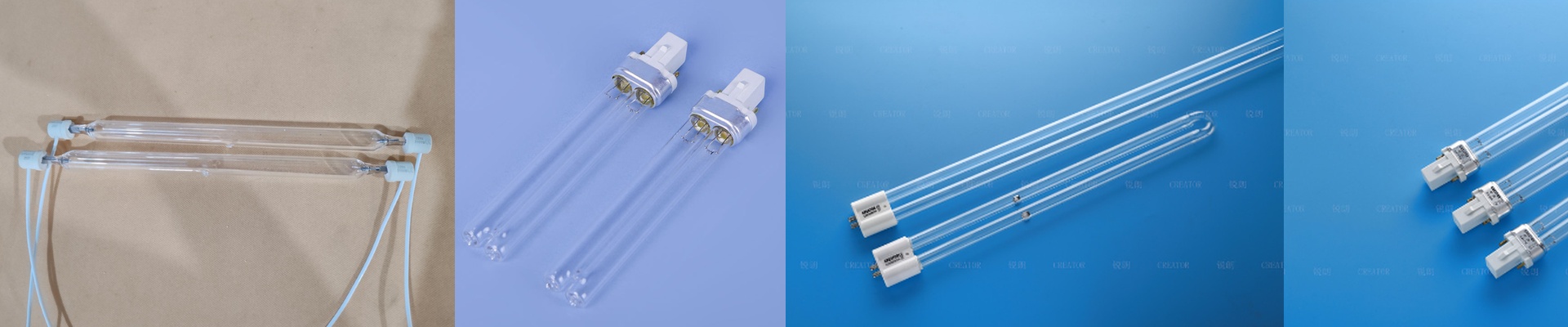
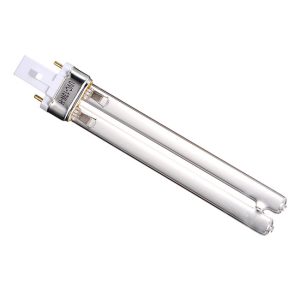
Home sanitation isn’t optional anymore—it’s an engineering task you run every day. Conventional cleaning leaves too much guesswork, especially on high-touch surfaces where pathogens hang on. A Safe UVC germicidal lamp brings industrial-grade disinfection into the house, but only if the physics and safety are handled the right way. Here’s what matters under the hood. We built this around a low-pressure mercury vapor discharge in ozone-free quartz, tuned for a primary germicidal peak at 254nm. That wavelength hits microbial DNA and RNA hard, with high absorption efficiency, so you can deliver a controlled dose that inactivates bacteria and viruses. It runs on standard household voltage, and the internal ballast keeps current stable so spectral output stays consistent. A precision reflector shapes the beam and pushes peak irradiance onto the target surface. Meanwhile, interlocks and shielding geometry prevent human exposure while the lamp is on. Why it works in a home setting. You need repeatable disinfection without a checklist. The compact footprint makes point-and-treat practical—countertops, door handles, personal devices. Because output is stable from the first cycle, dose coverage stays consistent, so you don’t get the swings you see with chemical wipes or sloppy exposure times. The payoff: faster room-level sanitation, predictable performance, and fewer hidden contamination reservoirs. A few realities to keep straight. UVC is line-of-sight, and surface reflectivity matters—shadows and dark materials cut the dose. This unit is for indoor, dry use, and you have to respect the recommended clearance distances and exposure limits. Output drops with cumulative operating hours. Schedule periodic output checks with a calibrated radiometer, and replace the lamp on the maintenance interval. That discipline keeps performance in spec—and keeps the process safe.