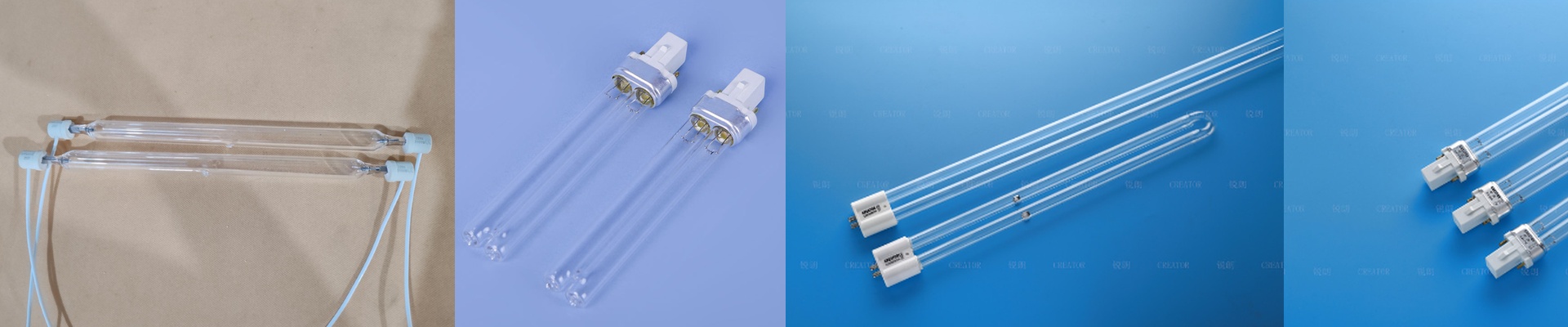
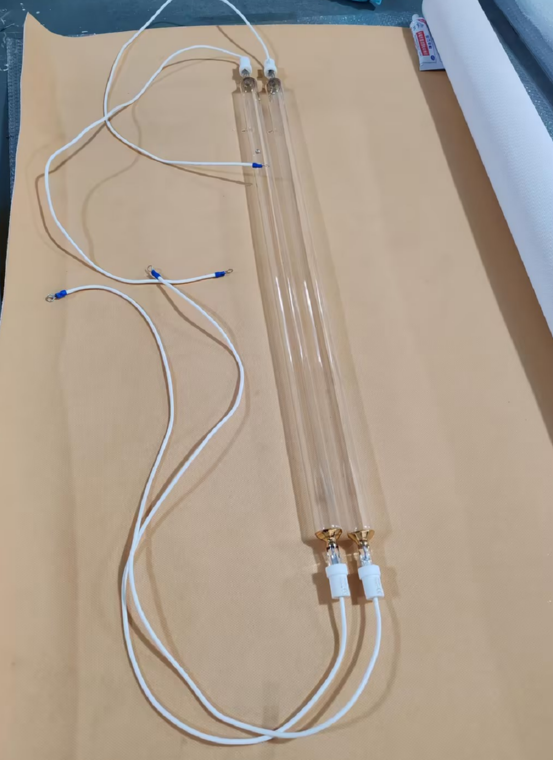
Getting the Most Out of Your Standard Mercury Bulbs
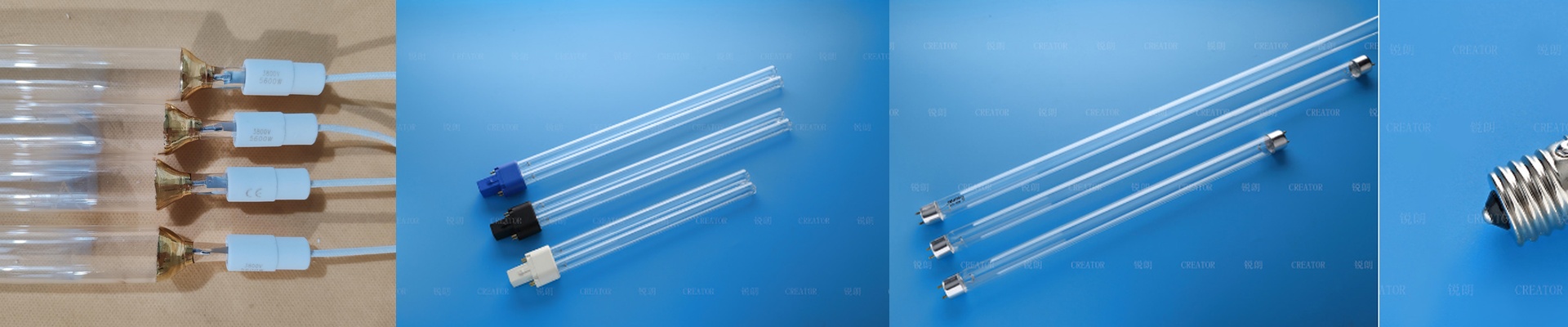
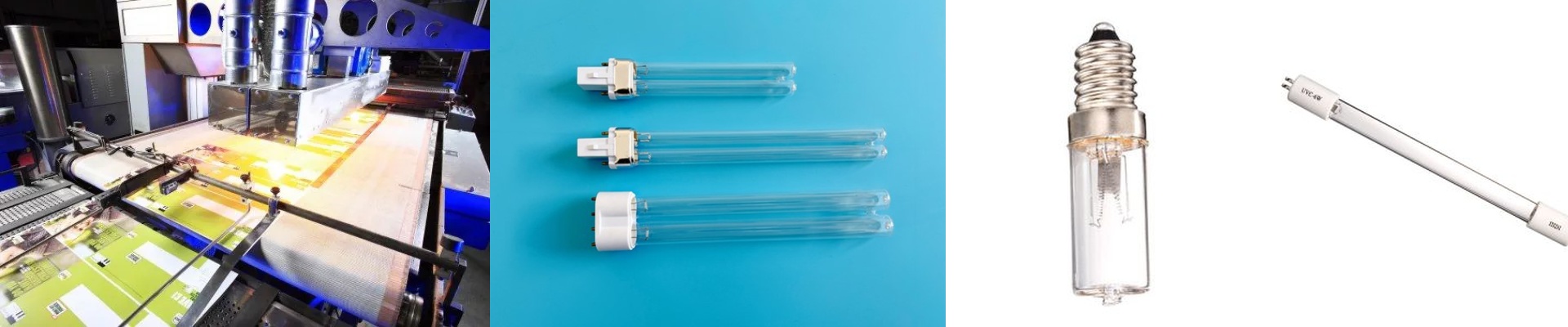
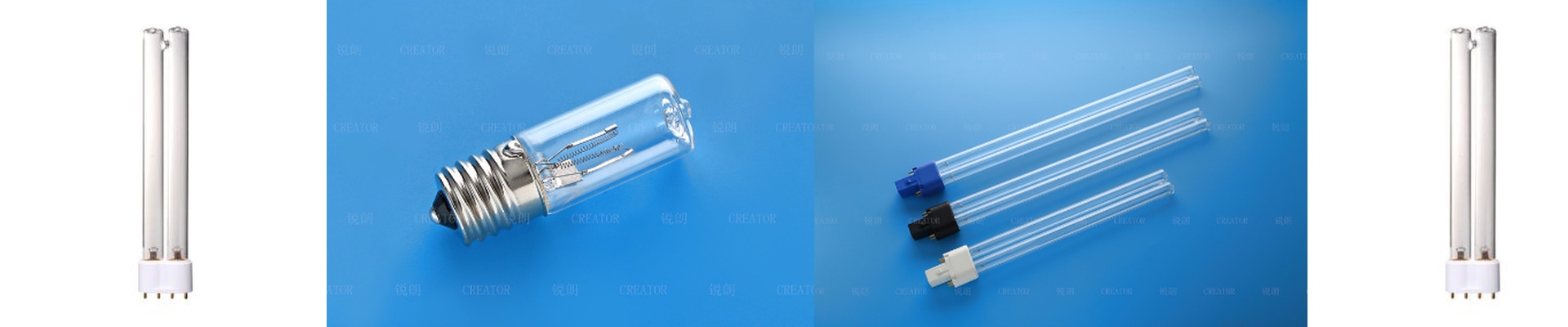
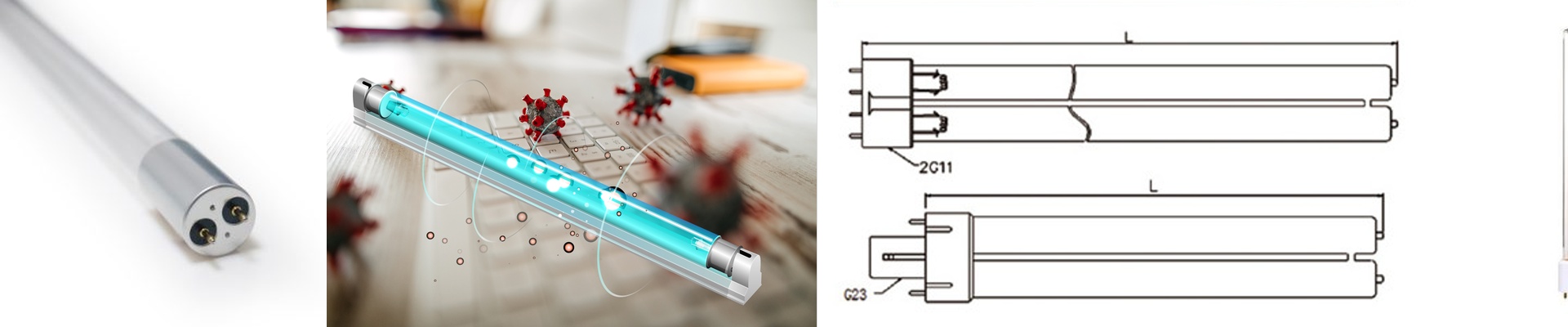
Let’s be honest: standard mercury UV bulbs are the old reliable of the printing and coating world. They just work. We build these lamps to hit those specific UVC and UVB wavelengths that tell your inks and coatings, “Time to harden.” In a blink, your liquid monomers turn into solid polymers. It’s practically magic. The heat struggle Here is the thing about power. If you bump up the wattage or tweak the arc length, you get more photons hitting the surface. That means your line moves faster. Great, right? But there’s a catch. All that power creates a ton of infrared heat. If your cooling system can’t keep up, you’re going to have a bad time. You might scorch your material or fry the bulb way sooner than you should. Pro tip: keep an eye on your reflectors. If they’re dirty or worn, that UV energy bounces around the machine housing as wasted heat instead of hitting your product. What’s inside the glass We use high-purity fused quartz for the envelope because regular glass would just soak up all the short-wave UV. With quartz, the light flies right through. Because these bulbs provide a broad spectrum, they’re pretty versatile. They play well with almost any ink you throw at them. Just remember that they don’t last forever. As the electrodes wear down, the light shifts. You’ll notice the cure isn’t as “snappy” as it used to be. That’s your signal that it’s time for a change. Setting things up The good news is these are mostly drop-in replacements. They fit right into most standard UV presses without a fuss. Just double-check your ballast. If the voltage or current doesn’t match the tube, the bulb will burn out before you can even get a good run going. We don’t just ship you a piece of glass and wish you luck. We’ll actually help you dial in your conveyor speed and lamp height. It’s all about finding that sweet spot. You don’t want “tacky” surfaces because you’re moving too fast, but you also don’t want brittle coatings because you cooked them too long.