Getting Your Ink to Actually Dry: The Story Behind Our Gallium Iodide UV Modules
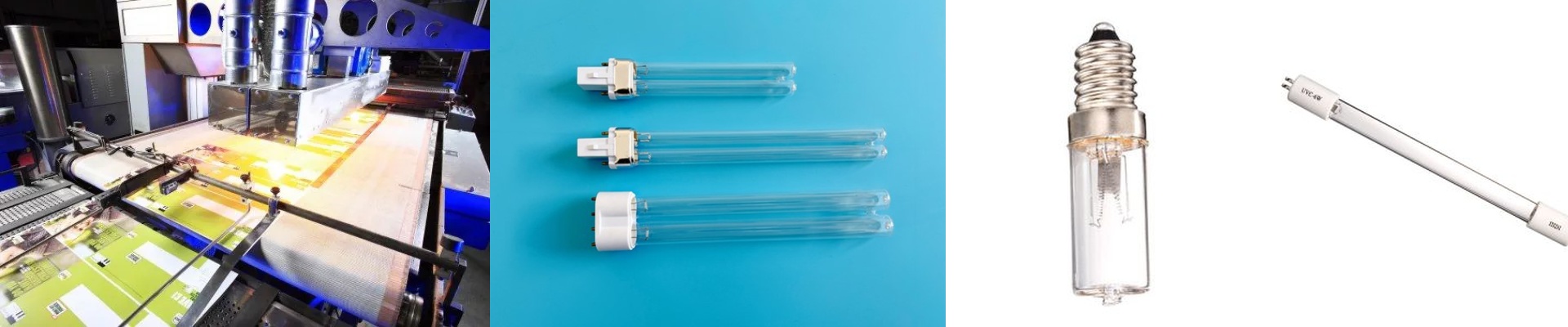
We built these UV lamp modules because we kept seeing the same frustrating problem on high-speed printing lines: the ink just wasn’t curing right. Most people stick with standard mercury lamps. They’re fine for basic jobs. But if you’re dealing with thick ink layers or specific photoinitiators, mercury often falls short. It hits the surface, but it doesn’t go deep. That’s where gallium iodide (GaI) comes in.
The Secret is in the Shift
Here is the thing about gallium iodide: it shifts the light. By swapping gallium into the mix, we push the output toward those longer UV-A and UV-B wavelengths. Why does that matter? Because it stops “skinning.” You know that nightmare where the top of the ink looks dry, but the bottom is still wet and gooey? It’s a disaster for quality control. GaI cuts right through that, curing the ink from the bottom up. But you can’t just throw any lamp on a press. We look at your line speed first. If you’re humming along on a high-speed offset or flexo press, you need more punch—more wattage per inch—to get the job done. We tweak the voltage and current so you get the power you need without burning the lamp out in a week.
More Than Just a Bulb
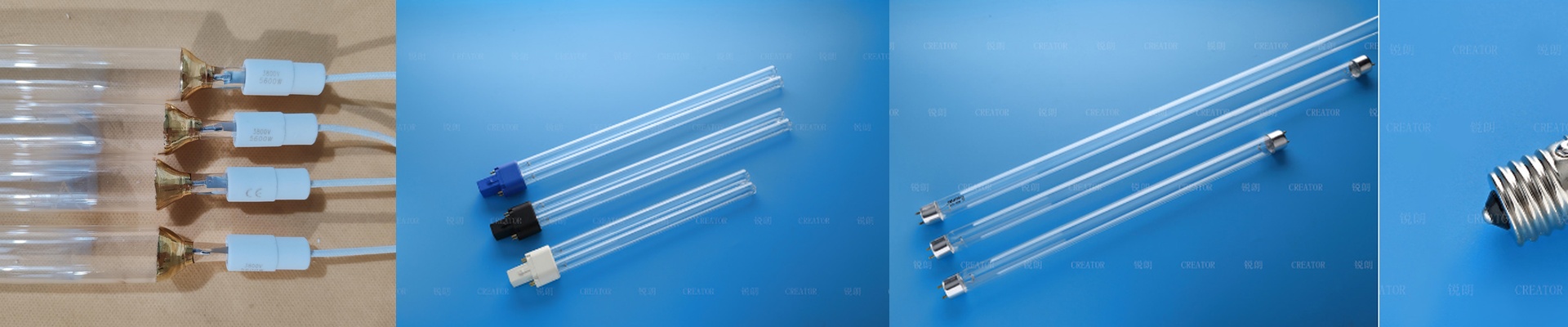
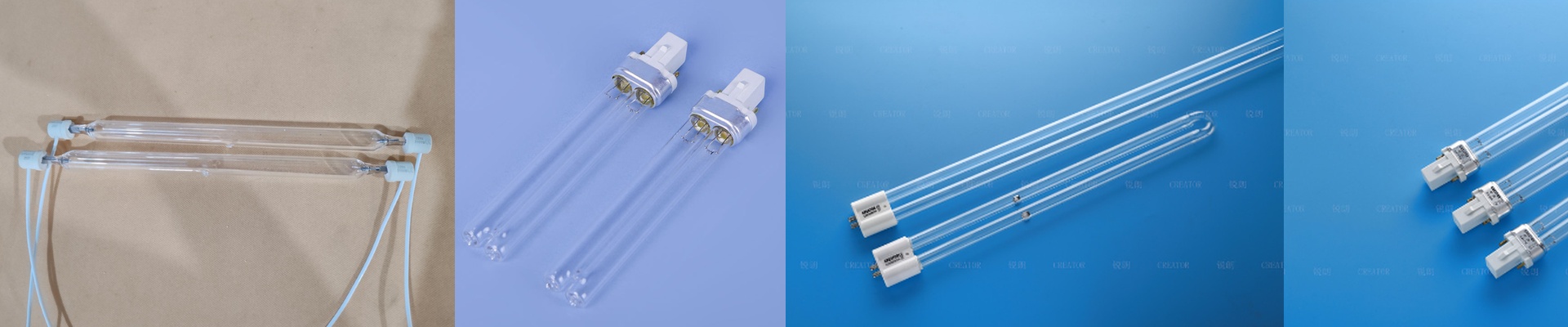
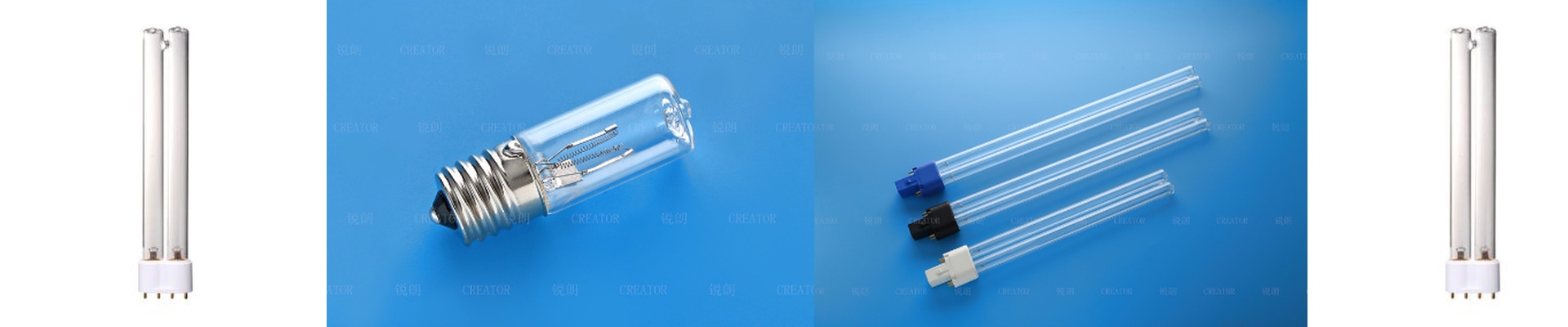
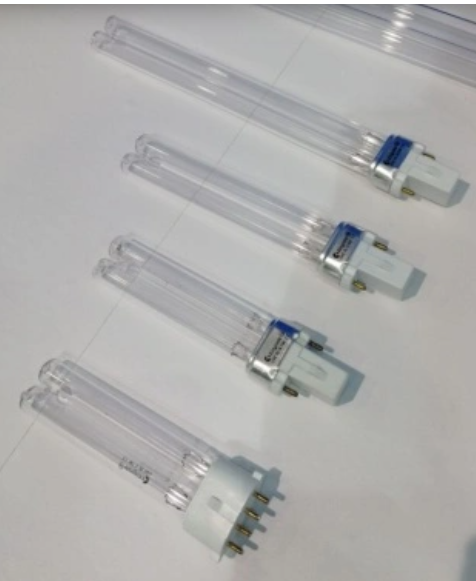
These aren’t just lightbulbs you screw in. They’re full modules. We use high-purity quartz glass because we don’t want the glass itself soaking up the UV rays. We want every bit of that energy hitting the ink. And let’s be honest: these things gethot. Really hot. If your cooling setup—whether you’re using air or water—can’t keep up with the wattage, your UV output will tank as the temperature climbs. It’s basic physics, but it’s where a lot of people go wrong. To make your life easier, we designed these to be drop-in replacements. You don’t have to rip apart your machines or spend a fortune re-tooling everything. It just fits.
Smart Curing, Less Waste
The goal is simple: get a total cure without scorching your paper or plastic. By tuning the gallium concentration, we create a narrower beam of light. It’s like using a laser instead of a floodlight. It targets the ink chemistry specifically, which means you aren’t wasting energy or baking your substrate. The result? You can crank up the line speed and move more product without worrying about warping your materials. It just works.