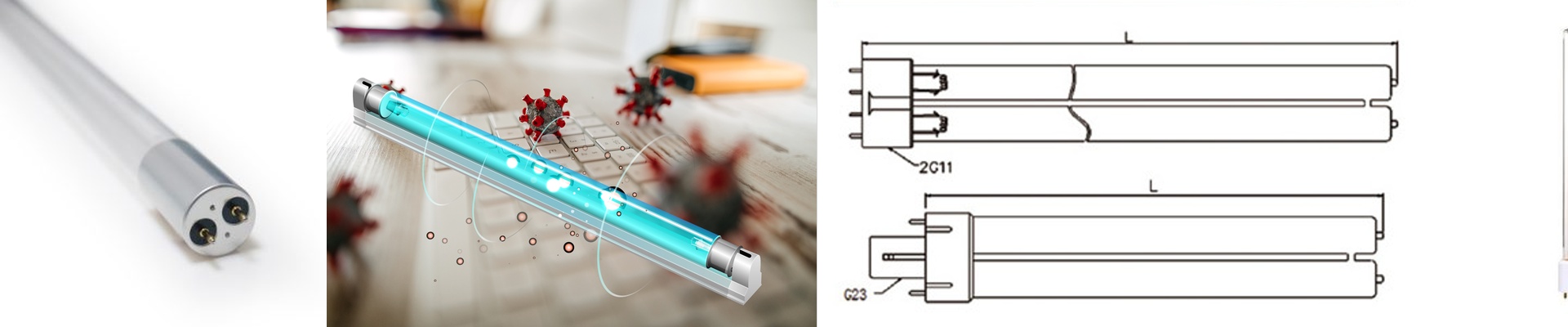
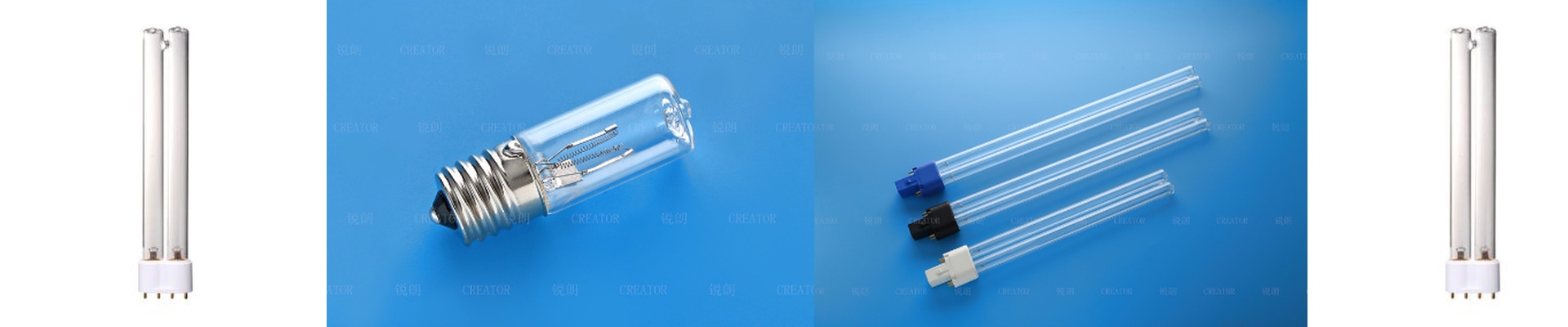
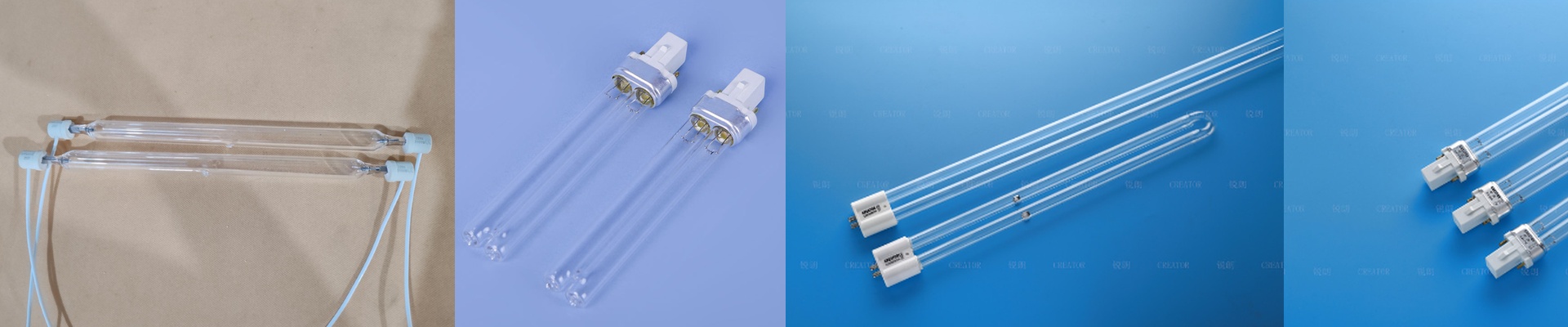
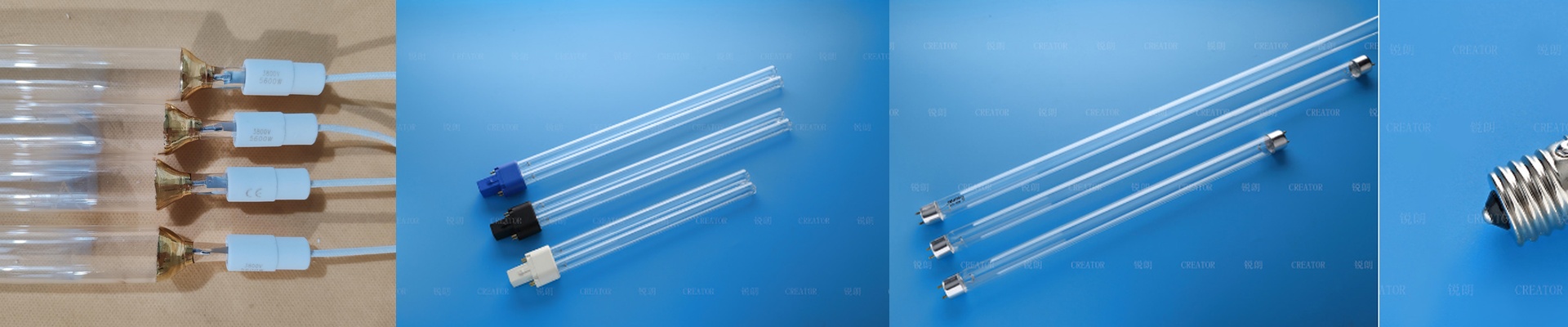
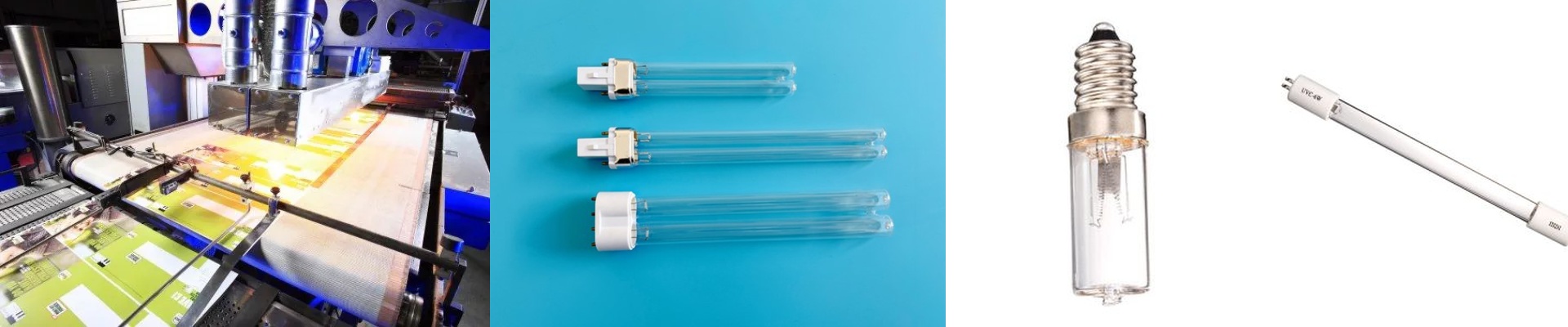
Getting the Wavelength Right: The Truth About Industrial Mercury UV Lamps
Making these lamps isn’t just about putting parts together on an assembly line. It’s more like a balancing act between plasma physics and glass chemistry. When you’re curing resins or killing germs, you can’t afford to be “close enough.” You need a sharp, intense hit at a very specific wavelength—usually 254nm for sterilization or a wider UVC/UVB spread for curing. If you miss that mark, the whole process fails.
How the Mercury Arc Actually Works
Everything comes down to the mercury vapor discharge inside the tube. We spend a lot of time obsessing over the internal pressure and the materials we use for the electrodes. Why? Because if the pressure is off by even a tiny bit, the light shifts. That shift is a nightmare. It means your cure rates tank or your sterilization doesn’t meet the benchmark. We also use high-purity synthetic quartz for the envelope. You can’t use standard glass here. It would swallow the UV energy and the tube would basically melt itself in seconds.
Heat, Power, and the “Burnout” Factor
You can’t just plug these into any old circuit. High-wattage UV tubes gethot. Really hot. We design our bulbs to handle specific voltage curves so the electrodes don’t pit and degrade. But here’s the thing: if you push for maximum intensity, you’re adding a massive thermal load to your reflectors. Check your cooling fans. If they aren’t built for the heat density of a high-output arc, your quartz seals are going to take a beating. That’s how you end up with a shorter lifespan than you paid for.
Making it Work in the Real World
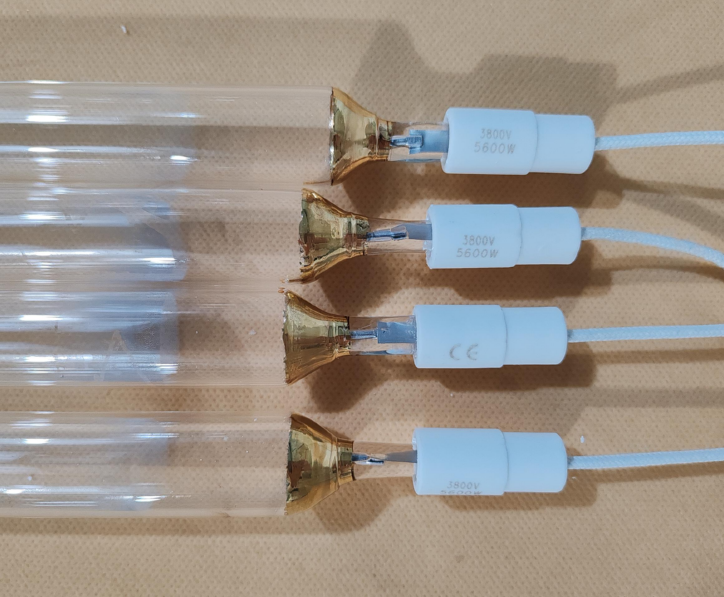
When you’re buying in bulk for a factory, the last thing you want is a headache during installation. That’s why we keep the tolerances on the end-caps and pin alignments incredibly tight. We want these to be true drop-in replacements. You should be able to swap a bulb and get back to work without having to recalibrate your entire conveyor system. And we don’t do the “marketing brochure” thing. We give you the raw spectral data for every single batch. You get the actual irradiance numbers so your engineers can set the line speed based on real-world output, not a guess.