Making Textiles Stick: The Truth About Gallium Iodide UV Lamps
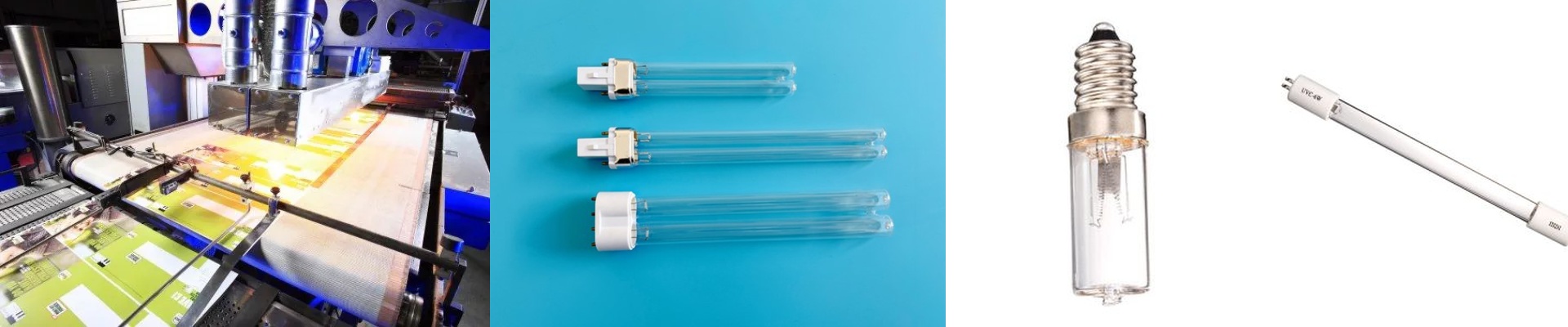
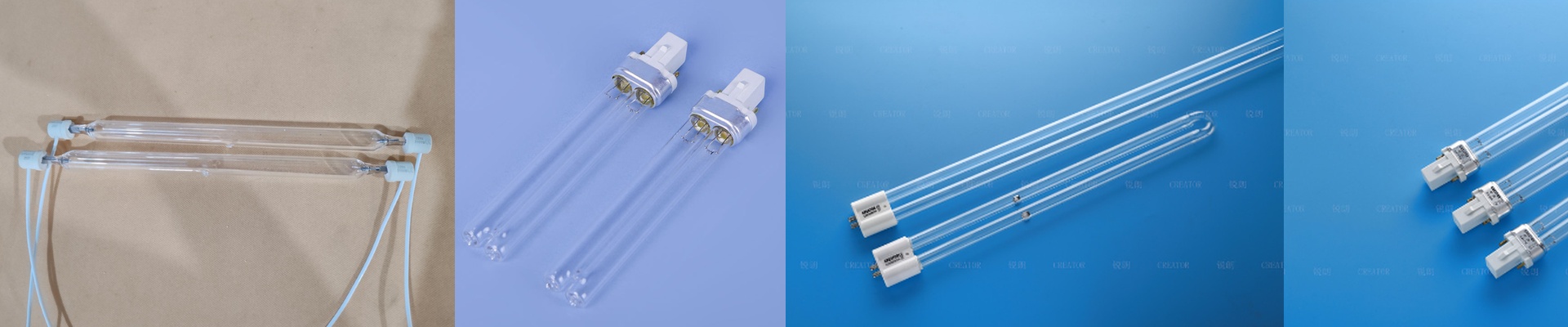
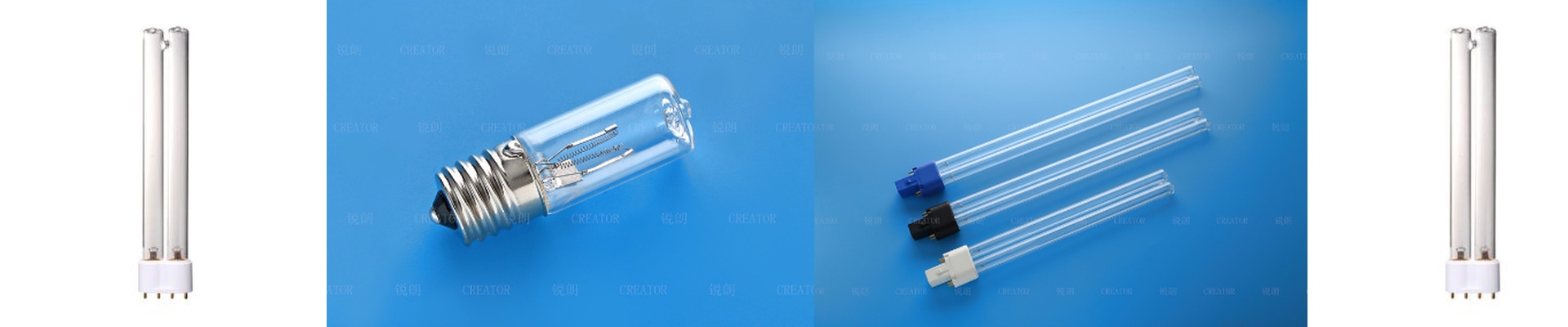
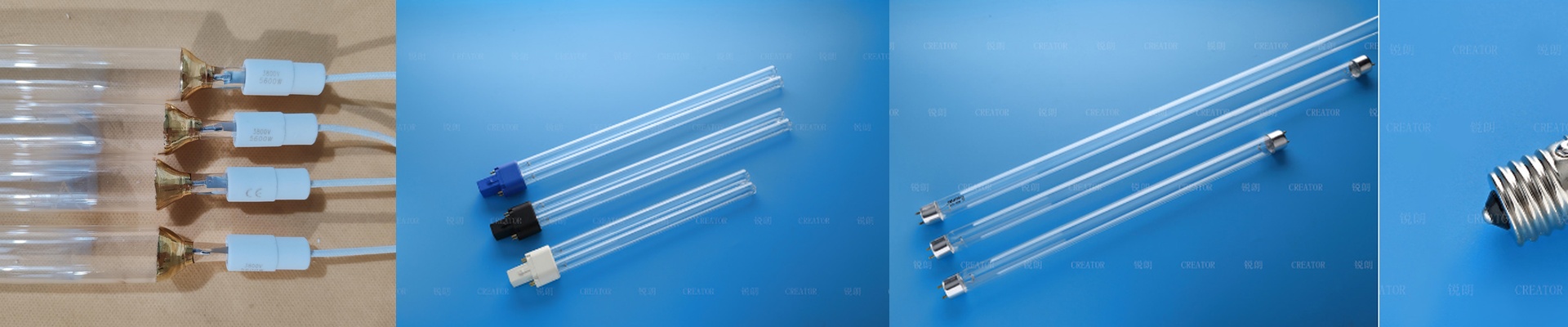
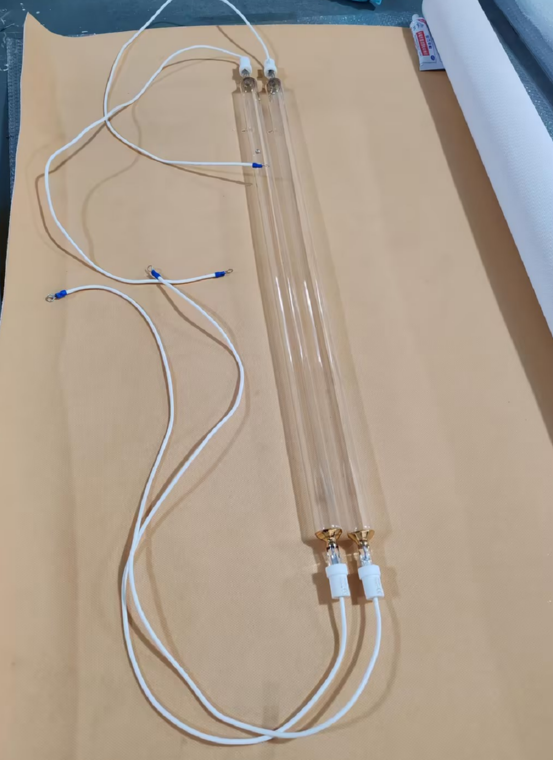
If you’ve ever walked a textile production floor, you know the drill. You’ve got fabric moving, inks flying, and a desperate need to get everything dry before it hits the shipping crate. For a long time, that meant relying on massive thermal ovens that took forever. Now? We use Gallium Iodide lamps. They trigger a process called photopolymerization—which is just a fancy way of saying they turn liquid resins into hard, permanent coatings in a matter of seconds. It’s fast. Really fast. And that changes everything for your workflow. Why bother with Gallium Iodide? Standard mercury lamps are fine for some things, but they often struggle with the heavy lifting. If you’re working with thick ink or dark fabrics, a basic lamp might just scorch the surface while the underneath stays wet. Gallium Iodide is different. It pushes the light into the UV-A and UV-B ranges, which lets the energy actually sink deep into the material. You aren’t just drying the top layer; you’re curing the whole thing through and through. Getting the hardware right When you’re wiring these into your line, don’t overthink it—just focus on power density. We build these tubes to handle high wattage, and the length depends on how fast your conveyor is moving. Here’s the deal: if you crank up the belt speed, you need more watts per inch. Otherwise, the fabric moves past the light too quickly to get the dose it needs. We use high-purity quartz glass because these things live in a brutal 24/7 factory environment. They take a beating. But there’s one thing you can’t ignore:**clean your reflectors weekly.**It sounds like a chore, but a little bit of dust can kill your output by 20%. When that happens, your lamps have to run hotter to make up for it, which just wears them out faster. The trade-offs Look, this isn’t magic. High-intensity UV creates heat. If your cooling fans aren’t up to the task, you might find your synthetic fabrics shrinking right on the line. It’s all a balancing act. Go too slow, and you’ll warp the fabric. Go too fast, and your ink stays tacky to the touch. My best advice? Grab an inline UV radiometer. Use it to double-check your dose before you commit to a full production run. It saves you from the nightmare of realizing ten thousand garments are ruined after they’ve already left the lamp.